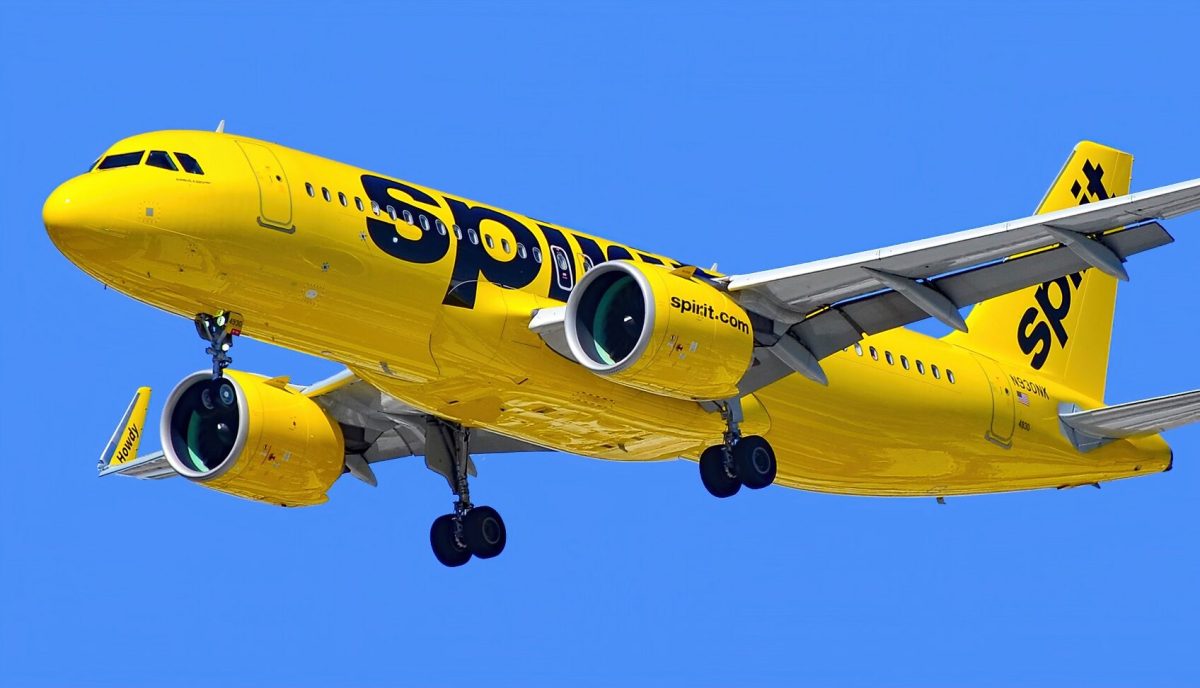
The budget airline sector just got a whole lot scarier. Spirit Airlines is currently facing the real possibility of liquidation, according to sources who spoke with Bloomberg, and the fallout could strand thousands of travelers mid-trip or leave them with worthless tickets.
The culprit behind this crisis isn't mismanagement alone. The closure of the Strait of Hormuz, triggered by escalating tensions between Israel and Iran, has choked off nearly a fifth of the world's oil supply. Jet fuel prices have nearly doubled compared to what Spirit projected in its financial forecasts just months ago. A rescue plan that was supposed to guide the airline out of bankruptcy by mid-2026 is now looking increasingly fragile.
As of mid-April, trading in Spirit's stock has halted entirely. The airline could collapse within days, though company representatives continue to insist that operations remain unaffected. "We don't comment on market rumors and speculation," a spokesperson told The Independent. "Our operations continue as normal." Yet behind the scenes, the numbers don't support that confidence.
What Happens to Your Ticket If Spirit Goes Under
Here's where things get uncomfortable for anyone holding a Spirit booking. When a stronger airline acquires a struggling competitor, customers usually get protection. New operators typically honor existing fares and reservations. But when an airline liquidates suddenly, everything changes. Bookings vanish. Refunds disappear. You're left holding a useless confirmation number and facing the nightmare of rebooking expensive last-minute flights with another carrier.
Travel experts acknowledge that passengers should be concerned about getting stranded, but they also warn against panic. Industry analyst Katy Going's Nastro points out that once a booking is cancelled, passengers often lose any right to reclaim remaining credit. It's a brutal outcome for families planning vacations or business travelers with time-sensitive commitments.
The Fuel Crisis Is Grounding Airlines Worldwide
Spirit's troubles reflect a much larger aviation crisis unfolding globally. Lufthansa became the first major European carrier to park aircraft specifically because of fuel costs, pulling 27 planes out of service with another four scheduled to follow. British Airways, Cathay Pacific, and Qatar Airways have all slashed Middle East routes, redirecting capacity elsewhere. These cuts are more than just inconvenient for travelers; over 25 airlines are gutting Middle East flights, reshaping the entire global network.
Regional airports face the worst squeeze. These smaller hubs typically maintain only about a month's supply of fuel on hand. As reserves dwindle and airlines shift capacity to major hubs, regional destinations get deprioritized. Olivier Jankovec, the director-general of Airports Council International Europe, warned European commissioners that this is creating a domino effect on communities that depend on these airports for tourism and economic activity. Aviation supports roughly 14 million jobs across Europe and generates approximately 851 billion euros annually, so the ripple effects touch far more than just flight schedules.
The fuel supply crunch has become so severe that Asia's Golden Week is under threat as fuel crisis grounds thousands of flights, disrupting one of the year's busiest travel periods in the region.
A Fragile Window of Hope
There's a thread of optimism, though it's thin. The Strait of Hormuz has recently reopened following tentative ceasefire negotiations. Vessels including cruise ships have successfully transited through despite ongoing security concerns. Fuel prices dipped briefly following the reopening, and Europe narrowly averted predicted shortages. But the situation remains fundamentally unstable. If tensions flare again or negotiations collapse, the strait could close once more, sending fuel prices into another death spiral.
For Spirit Airlines and the thousands of passengers with bookings, the next few weeks will determine everything. The airline says it's operating normally, but the market has already begun pricing in the worst. If you're holding a Spirit ticket, don't panic, but do monitor developments closely. Check the airline's statements regularly, and understand the hidden costs of flying over war zones and the instability it creates in global aviation. If bankruptcy becomes inevitable, being proactive about rebooking options before the system collapses will be far better than scrambling afterward.