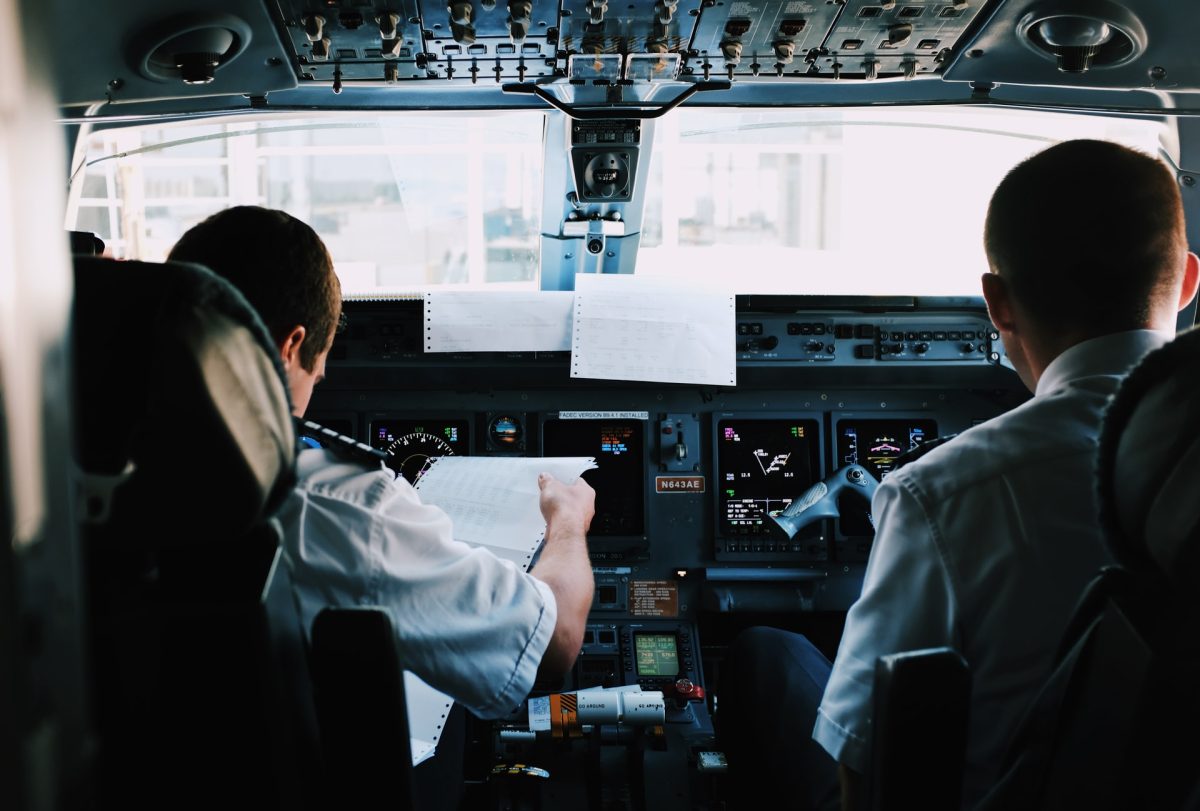
The engines are running. Hundreds of passengers are waiting. And the pilot stares at a rerouting instruction that cuts through active conflict zones. This isn't a thriller screenplay. This is the daily reality facing commercial aviation crews operating over the Middle East right now.
When U.S.-Iran tensions eased and airspaces began reopening, relief was palpable in the travel industry. Airlines dusted off flight plans. Passengers rebooked trips. But for the people actually flying these routes, the restart came with a silent pressure that no safety briefing can address. Pilots are being forced to choose between their paycheck and their conscience, often with little guidance on how to respond when missiles light up the sky or airports close without warning.
The Impossible Choice Pilots Face
Ron Hay, president of the International Federation of Air Line Pilots' Associations (IFALPA), doesn't mince words about what's happening behind closed cockpit doors. He describes an "underlying fear of retribution" coursing through the pilot community. Refuse an assignment over safety concerns, and you might lose your job. Refuse it without explicitly invoking safety, and you simply don't get paid. It's coercion wrapped in corporate language.
The pressure is particularly acute because conditions on the ground are unpredictable in ways commercial aviation was never designed to handle. Airspace closures happen on short notice due to missile or drone activity. Routes must be rerouted mid-flight. Pilots are operating in a landscape where traditional danger markers no longer apply. "We are not military pilots," said Tanja Harter, president of the European Cockpit Association and a pilot with Middle East experience. "We are not trained to deal with these kinds of threats in the air."
Airlines haven't filled this gap with clear protocols. Pilots report a troubling lack of guidance on extreme scenarios. What do you do if a missile warning comes through? If an airport closes mid-approach? If you're being tracked live on Flightradar24 while crossing an active war zone? Recent incidents have made these questions urgent, not hypothetical. Private pilots have been intercepted by U.S. fighter jets. Long-haul flights have turned back mid-journey. The unpredictability compounds the stress.
The Uneven Global Response
The fallout is reshaping global air routes in fascinating ways. Most European airlines have suspended Middle East flights until at least April 24, which has inadvertently created opportunities elsewhere. Portugal's unexpected windfall as travelers flee Middle East turmoil shows how geopolitical instability redistributes tourism dollars unpredictably.
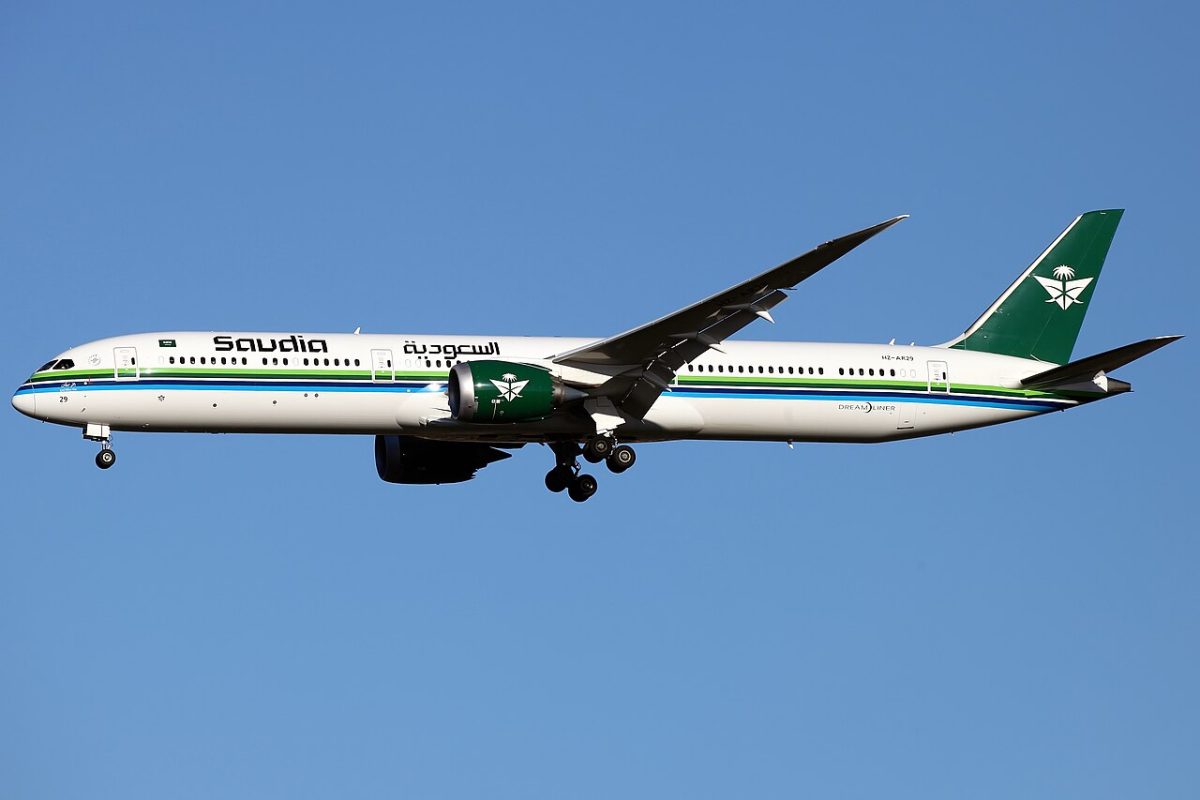
Meanwhile, Gulf carriers in Dubai and Doha have never stopped flying. They continue operating through designated corridors, navigating the same hazards but with crews who have trained for regional contingencies their entire careers. Captain Mohammed Aziz, director general of Lebanon's civil aviation authority, put it bluntly: "Middle East pilots have always faced crises, so from the start we trained how to deal with contingencies, emergencies and everything else. No one can give you a guarantee that they won't bomb the airport." It's a level of preparedness most Western carriers simply don't possess.
Indian airlines like Air India are also maintaining operations despite crew concerns. The airline's pilots, members of IFALPA, have formally urged authorities to suspend flights until a centralized risk assessment is completed. They're the canary in the coal mine, signaling that the current situation pushes beyond acceptable limits.
What This Means for Travelers
The broader shift is being felt across the industry. Korean Air braces for sticker shock as Middle East tensions spike fuel costs as airlines reroute planes through longer, more expensive corridors. Fuel surcharges are climbing. Flight times are extending. Your layover might shift unexpectedly.
What's clear is that the geopolitical chess game happening at 35,000 feet has real consequences for the people in the cockpit and the passengers they carry. The fragile ceasefire that made headlines is being tested daily by operational reality. Pilots are doing their jobs under impossible circumstances, navigating not just volatile airspace but workplace pressure designed to silence safety concerns. That's a situation that demands transparency from airlines and better protection for the professionals keeping commercial aviation running through crisis. Until that changes, the burden remains on pilots alone.