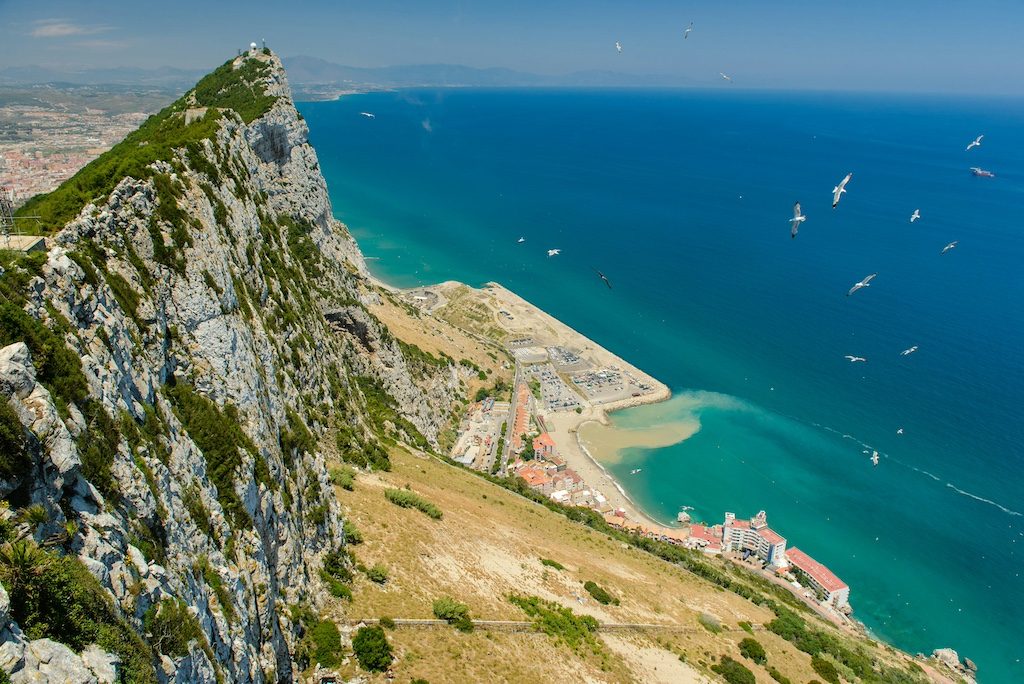
The sandy beaches and dramatic Rock that define Gibraltar have long welcomed British travelers with minimal fuss. That era ends in just a few months. Starting July 15, 2026, crossing into this British Overseas Territory nestled on Spain's southern coast will feel a lot more like entering the wider European Union, with all the formalities that implies.
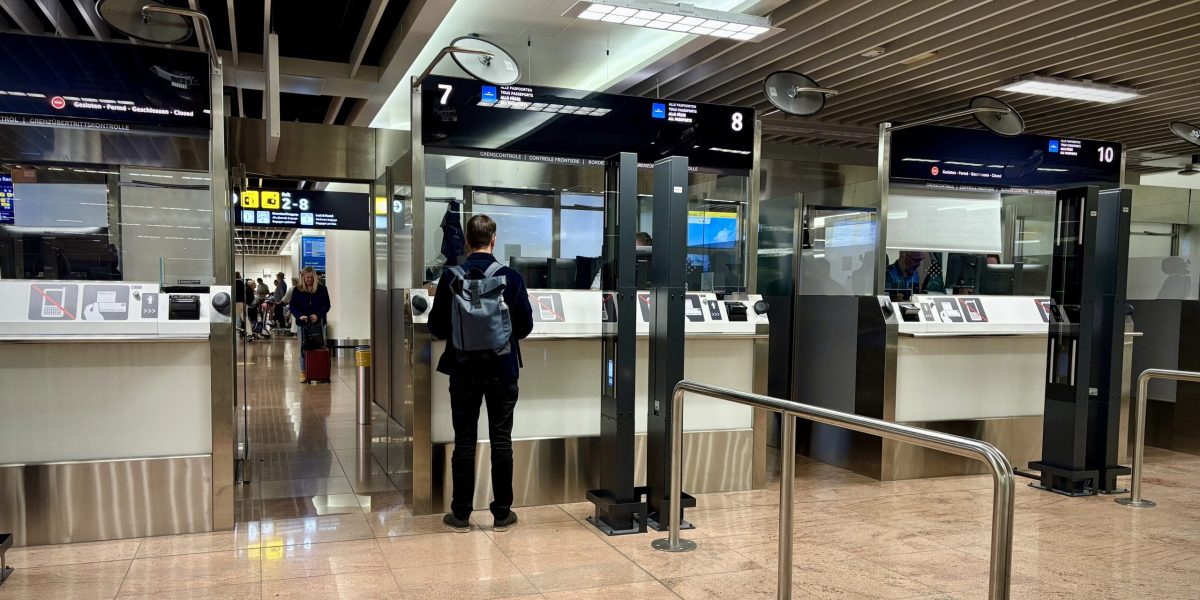
Here's what's changing: British arrivals will need to register with the EU's new Entry-Exit System (EES), a digital tracking mechanism that captures your fingerprints, facial images, passport details, and travel dates. Think of it as Schengen-style border control coming to Gibraltar for the first time. Your every entry and exit from the territory will be logged and monitored by this system, turning what was once a casual hop across the border into something with real bureaucratic teeth.
New Passport Rules You Can't Ignore
Your passport itself will face new scrutiny. From July 15, 2026, your document must be less than 10 years old on the day you arrive. More importantly, it needs at least three months' validity remaining after your planned departure. If you've been coasting on an aging passport, now is the time to renew your UK passport before costs spike. Delays are common, and missing these windows is easy.
Beyond passport requirements, the territory is introducing a hard cap on stay length. Instead of the current unrestricted 90-day visit, you'll now be limited to 90 days within any 180-day period. That limit counts not just time in Gibraltar, but any days spent in the wider EU, Iceland, Norway, or Switzerland combined. For people who work or visit the region frequently, this is genuinely restrictive.
Who's Exempt and Who Isn't
Irish passport holders have dodged the bullet entirely. So have citizens of Schengen nations. If you hold a Gibraltar residency certificate, you're also exempt from both the registration requirements and the 90-day limits. Everyone else, though, needs to prepare for a world of digital tracking and tighter restrictions.
The shift marks a sharp departure from the negotiated terms of Brexit. Priti Patel, the opposition's shadow foreign secretary, has already fired criticism at the new arrangements, arguing they carry "significant implications for British citizens" and that Parliament shouldn't "sign a blank cheque to the EU." Fabian Picardo, Gibraltar's chief minister, addressed the House of Commons Foreign Affairs Select Committee to make the case for the agreement.
The Border Dilemma Behind the Deal
Why the sudden shift to Schengen-style rules? The numbers tell the story. Roughly 15,000 people cross the Spain-Gibraltar border every single day, representing nearly half the territory's workforce. Getting that many people through a border checkpoint without creating gridlock is no small feat. Spain was pushing hard for control over those crossings, and negotiations were contentious.
The new agreement attempts to square a difficult circle. Both sides claim it creates a "fluid border" while establishing a customs model that eliminates goods checks at the land crossing. To pull this off, Gibraltar is building a new passport control facility at the airport to handle the volume of third-country arrivals. It's a practical compromise, but one that puts the burden of registration and tracking squarely on British travelers.
For those planning trips to Gibraltar in 2026 and beyond, the time to act is now. Double-check your passport expiration date, consider whether your travel patterns fit within the new 90-day window, and mark July 15 on your calendar. The days of casual border-crossing are over.