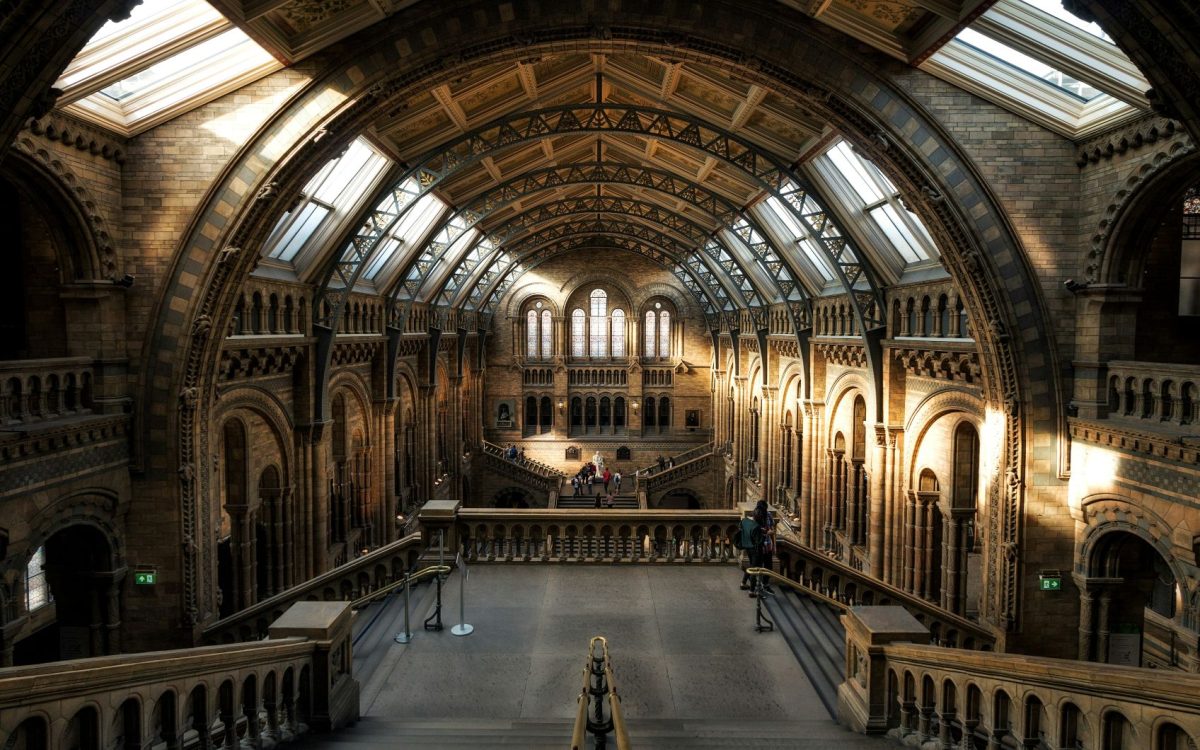
For a quarter century, stepping into the British Museum, the Natural History Museum, or Tate Modern has cost you nothing. Walk through the doors, explore the Rosetta Stone, marvel at dinosaur skeletons, contemplate modern art installations. All free. But that iconic policy is now under review, and international visitors could soon face entrance fees for the first time since 2001.
When the Tony Blair Labour government introduced free entry to Britain's national museums and galleries back in 2001, the results were dramatic. Visitor numbers soared. The V&A saw attendance jump from 1.1 million to 2.3 million, a spike of 111 percent. Across the board, museums recorded roughly a 70 percent increase in annual visitors. It was a cultural reset that made London's greatest treasures accessible to everyone, regardless of whether you had spare change in your pocket.
The trade-off was simple: institutions that had previously charged admission dropped their fees in exchange for additional government funding. Visitors could still make voluntary donations at entry, but nothing was mandatory. A student backpacking through Europe could see Egyptian mummies. A retired schoolteacher on a modest pension could revisit the paintings she loved. That democratization of culture became a defining feature of British cultural life.
Now, facing tight finances, the current Labour government is rethinking the model. Officials are exploring how changes to museum funding could benefit the arts sector more broadly, which raises an uncomfortable question for travel planners: Will London's museums soon operate like the Louvre, charging foreign visitors premium rates while locals enjoy discounted or free access?
The Proposal and Its Critics
The idea has already sparked fierce debate. The Caribbean Community's reparations commission vice-chair Eric Phillips called the proposal "unethical," pointing out an uncomfortable paradox. "Why should we have to pay to see our heritage?" he asked, raising a point that cuts to the heart of colonial history. Many artifacts in Britain's museums came from former colonies during imperial expansion, and some argue that nations should not be charged to view cultural items taken from their ancestors.
Open Restitution Africa (ORA) amplified that concern, noting that Africans and others must already navigate visa requirements and international travel costs just to reach the UK. "Introducing entry fees further compounds these inequalities," they said. The argument carries weight: if you're traveling from Lagos or Kingston, you've already invested thousands in flights and accommodation. An additional museum fee feels less like a reasonable charge and more like another barrier to accessing your own heritage.
The Practical Problems Nobody's Solved
Beyond the ethical quandaries, the logistics are messy. How would staff distinguish between UK nationals and international visitors without checking passports or visas at every entrance? Would museums create separate queues, turning cultural institutions into border checkpoints? Some have suggested tiered pricing, offering reductions for international visitors who come from specific regions or circumstances, but no clear framework has emerged.
The British Museum itself faces additional scrutiny. In recent years, critics have focused attention on its collection of artifacts widely regarded as having been unlawfully taken during colonial rule. The Parthenon Marbles, held in London for over two centuries while Greece argues for their return, remain a flashpoint. Charging international visitors to view contested artifacts adds another layer of controversy to an already sensitive conversation.
Much like how Venice's entry fee sparked debate about who gets to visit Europe's treasures, and similar to how Cologne Cathedral's proposed charges angered Germany, the UK's potential shift signals a broader reckoning across Europe about how cultural institutions fund themselves and who bears that cost.
What Happens Next
The government says a decision is expected by the end of 2026. No final announcement has been made, and officials haven't yet responded to the growing chorus of concerns from advocacy groups, museum professionals, and travel industry voices. The British Museum, Natural History Museum, Science Museum, Tate Modern, and V&A Museum remain free to enter for now, but that could change sooner than you'd expect.
For travelers planning London trips in 2027 and beyond, it's worth staying alert to developments. If fees are introduced, they'll likely reshape how budget-conscious visitors approach the city's cultural offerings. Until then, you still have a window to experience these world-class institutions without opening your wallet.