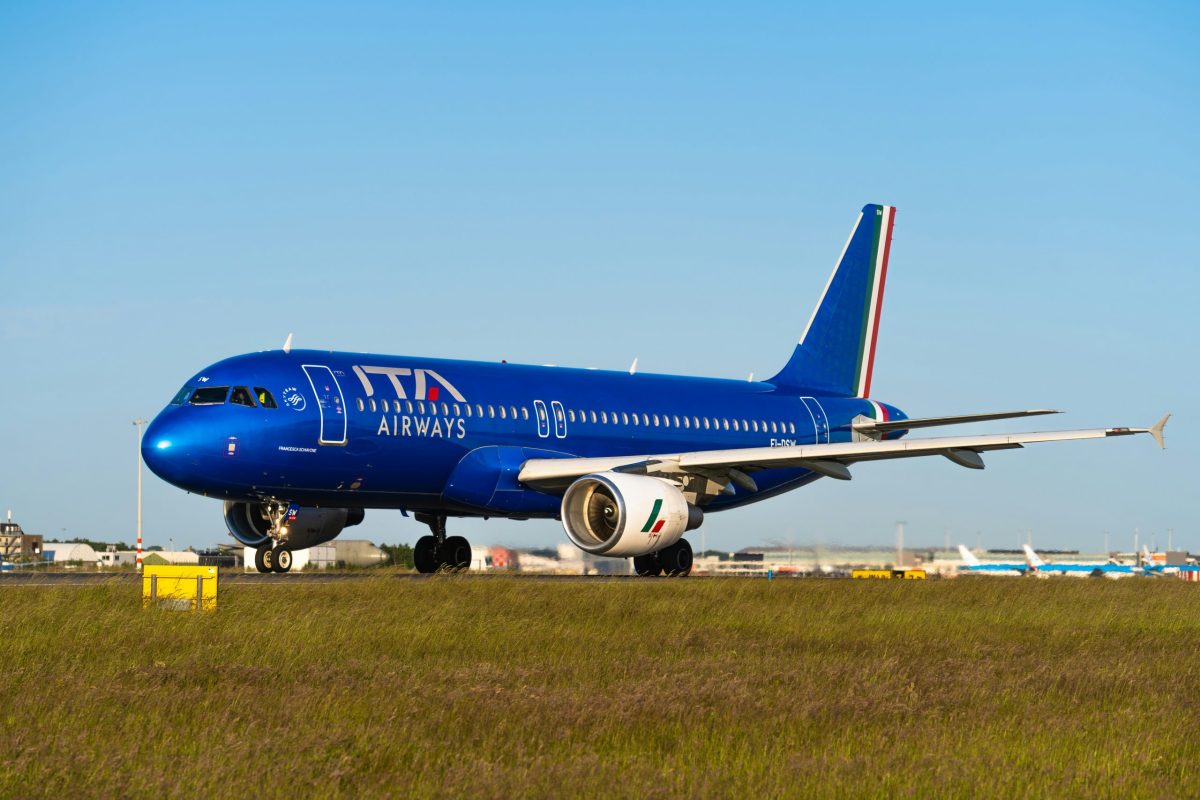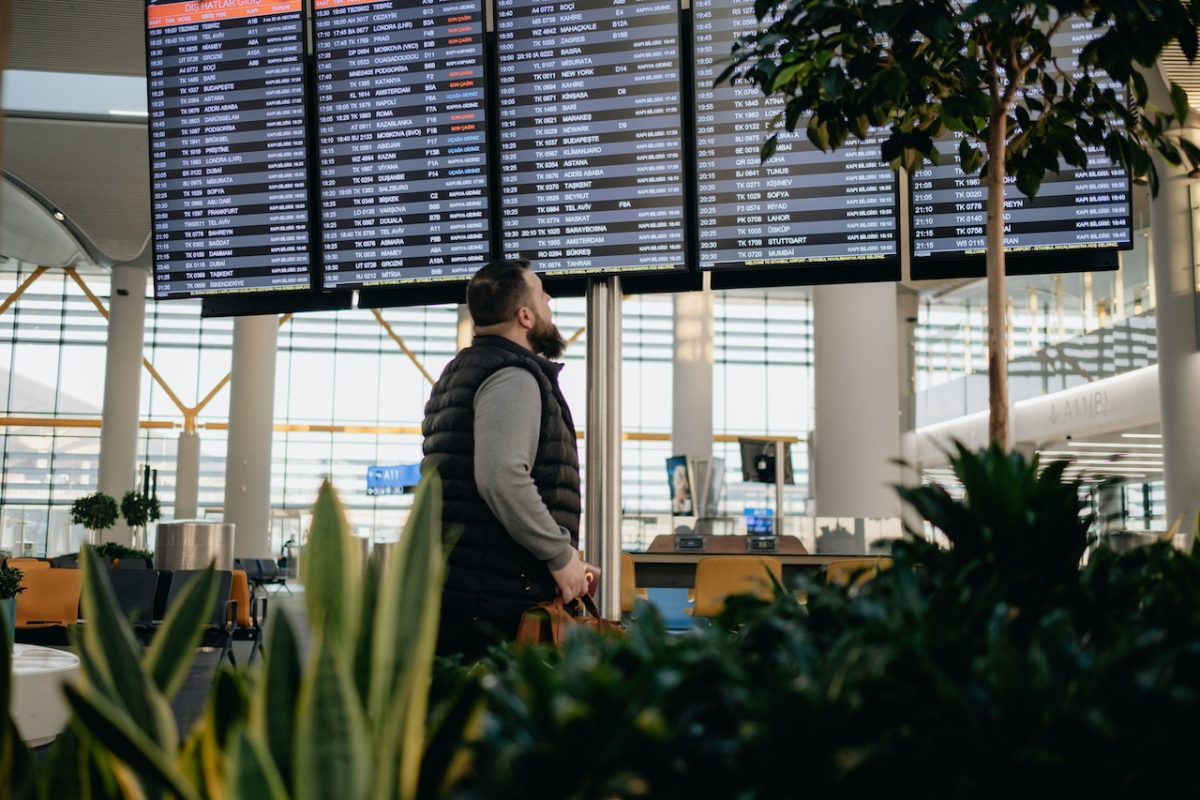
The timing couldn't be worse. Just as millions of travelers across Asia prepare for Golden Week, a five-day Labor Day holiday in May that ranks among the busiest travel periods of the year, the region's airlines are pulling flights off the schedule at a startling pace.
The culprit: jet fuel prices have skyrocketed to levels that airlines simply cannot absorb. Since the outbreak of conflict involving Iran and the closure of the Strait of Hormuz (which normally handles about 20% of the world's oil supply), jet fuel costs have doubled compared to pre-war levels. By mid-April 2026, prices had hit US$198 per barrel, according to data from the International Air Transport Association (IATA). That kind of shock to the fuel supply chain ripples through the entire aviation system.
The financial pressure is brutal and immediate. Fares for long-haul flights on AirAsia have surged by 40%, while fuel surcharges across multiple carriers have jumped by 20%. But airlines aren't absorbing these costs quietly. Instead, they're making cuts. In a single day on April 16, Asia-Pacific airlines collectively cancelled 129 flights and delayed 1,901 more. Over the course of April alone, the cancellations snowballed across the region.
Major carriers aren't holding back. Air China, China Eastern, Spring Airlines, China Southern, and AirAsia have all trimmed their flight schedules, though many have avoided public announcements about the cuts. Popular routes to Southeast Asia have been hit especially hard. Entire routes like Xi'an to Phuket, Chongqing to Phuket, and Yantai to Bangkok have been completely grounded since early April and throughout May. For travelers hoping to reach Australia from China, the news is bleaker still. About 50% of flights on routes between Wuhan and Sydney, and Guangzhou and Darwin, have been scrapped.
Cathay Pacific is eliminating approximately 2% of its flights between May 16 and June 30, mostly trimming regional services plus a smaller number of routes to Australia, South Asia, and South Africa. The airline has also cancelled all service to Dubai and Riyadh through the end of June. Other carriers including Philippine Airlines, Vietnam Airlines, Air New Zealand, and Pakistan International Airlines are making similar adjustments, though the scale varies. Air New Zealand's changes will affect 4% of its flights and 1% of its passengers.
If you have a booking during this period, don't assume your flight will operate as scheduled. Understand your rights if your flight gets cancelled, as you may be entitled to rebooking, refunds, or compensation depending on your airline and booking terms. Contact your carrier directly to confirm your flight status rather than waiting until check-in day.
The crisis also raises larger questions about aviation's vulnerability to geopolitical shocks. The economics of flying over war zones are reshaping how airlines operate globally, and this Hormuz situation demonstrates how quickly regional conflict can become a global travel problem.
As of now, there's no clear timeline for when things will return to normal. Airlines are holding tight and waiting for fuel prices to stabilize and supply chains to recover. Until then, flexibility is your best friend. If your trip to Bangkok, Phuket, Kuala Lumpur, or Vientiane is coming up, build extra time into your itinerary and monitor your booking constantly. Golden Week travel won't disappear entirely, but getting there just became considerably more complicated.