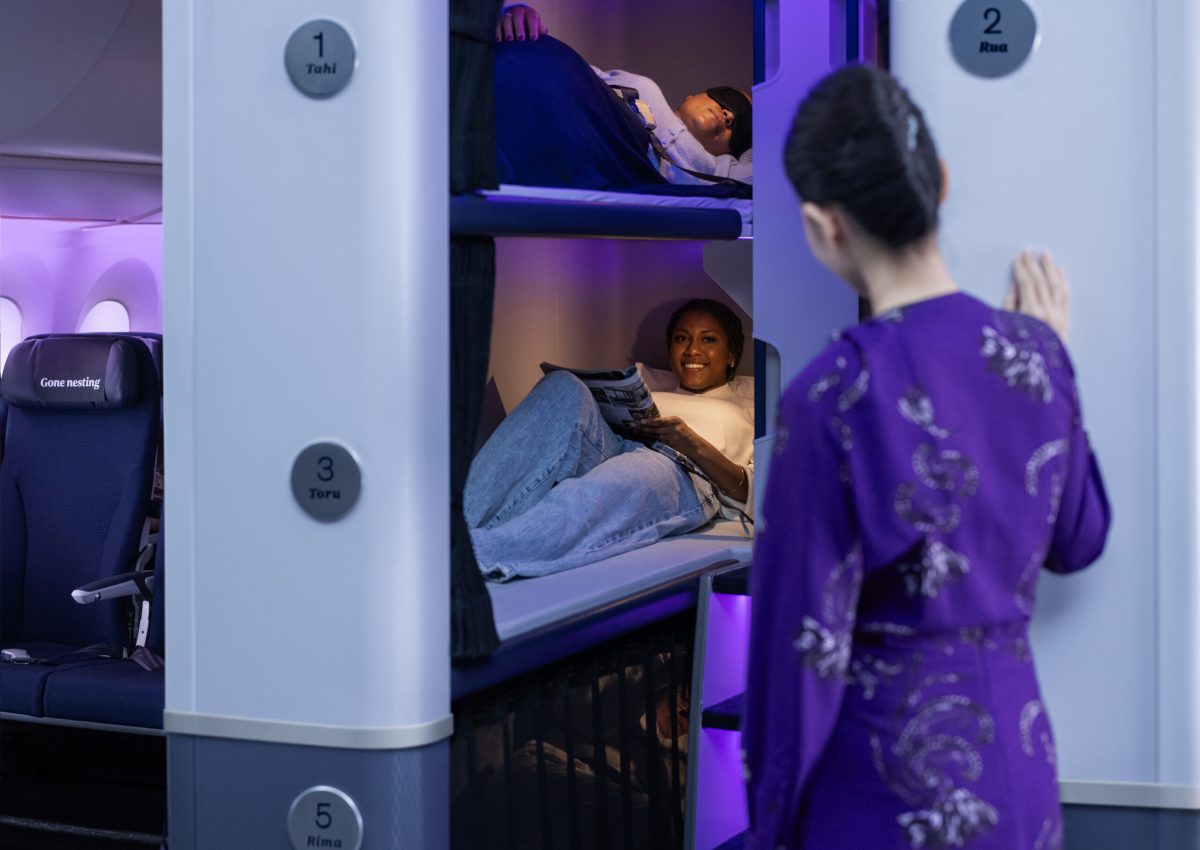
The prospect of a 15-plus-hour flight used to mean one thing: resignation to your seat. But Air New Zealand just threw a wrench into that grim reality. Starting in November 2026, the airline will deploy a fleet of Boeing 787-9 Dreamliners equipped with something that sounds almost too good to be true: private bunk beds tucked between the economy and premium economy cabins, available to anyone willing to pay for the upgrade.
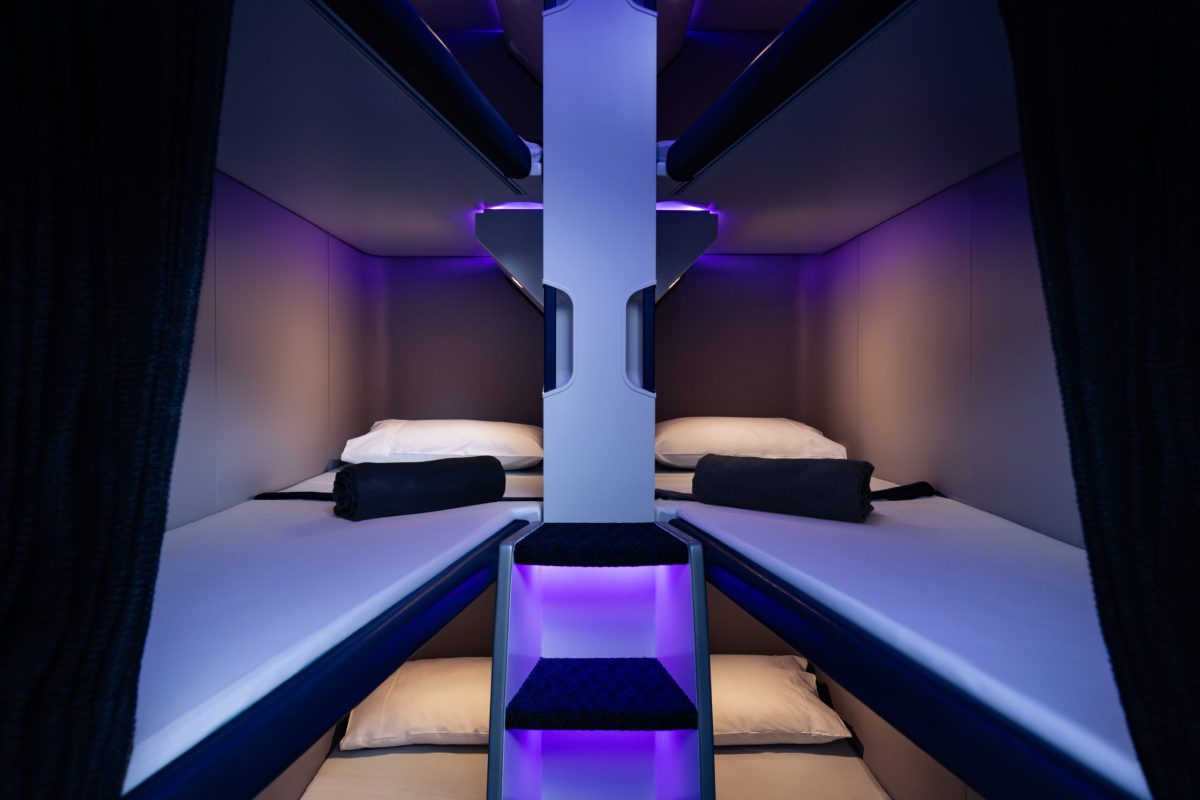
The system, called Economy Skynest, lets passengers book a four-hour window to actually lie flat and sleep during their flight. Six individual pods will be scattered throughout each aircraft, each one a small haven with a real mattress, fresh bedding, ambient lighting, ventilation, and a charging port. Think of it as the middle ground between the misery of standard seating and the eye-watering cost of business class.
How It Works
Here's the practical side. Bookings open on May 18, 2026, for flights departing from November 2026 onward. Each four-hour session costs $495 NZD (roughly $247 USD or 247 euros). The airline will offer two sessions per flight, with the bedding completely changed between them to keep everything hygienic. You'll also score a "Nestcessities" kit: eye mask, ear plugs, socks, and skincare products.
The four-hour window wasn't picked randomly. Air New Zealand designed the duration around natural sleep cycles so you have time to settle in, actually sleep, and wake gradually without that disorienting jolt most long-haul travelers know too well. Both economy and premium economy passengers can add a Skynest session to their existing ticket, making it flexible for different budgets.
Why New Zealand Needed This
There's genuine logic behind the innovation. New Zealand's location on the planet means most visitors face brutally long flights just to arrive. The country generates $46 billion NZD in annual tourism revenue, but that figure depends entirely on people's willingness to spend 15-20 hours trapped in an airplane seat. By making that journey less punishing, Air New Zealand removes one barrier to travel.
According to CEO Nikhil Ravishankar, this reflects "the practical innovation New Zealand is known for." The airline has already tested the concept with over 200 customers across several years, so this isn't some untested gimmick. It's a refined solution to a real problem that affects millions of passengers annually.
Building on Proven Success
Skynest builds on an earlier Air New Zealand hit called Skycouch, which let economy passengers (or families with an entire row booked) convert their seats into a flat sleeping surface using special footrests. That innovation proved travelers value flexibility and control over their flight experience. Skynest takes that concept further by offering actual private sleeping pods for anyone flying long-haul.
The timing matters too. More airlines are experimenting with novel cabin configurations and rest solutions. United recently announced lie-flat economy seats coming to long-haul routes in 2027, showing the industry recognizes that passenger comfort on ultra-long flights drives loyalty and bookings.
The Catch
At $495 NZD per four-hour session, Skynest sits in that awkward middle zone. It's pricey enough to feel like a splurge but far cheaper than business class sleeper seats, which can run $5,000 to $20,000. Whether it justifies the cost depends on your priorities. If you're sensitive to sleep deprivation on long flights, a guaranteed four hours of actual rest might be worth every penny. If you're just trying to get somewhere cheaply, traditional economy still wins.
Keep in mind this only launches in November 2026 on brand-new aircraft, so availability will be limited at first. As more 787-9s roll out, expect supply to increase, though whether prices drop remains to be seen.
For travelers planning trips to New Zealand or anywhere else requiring marathon flights, this could genuinely change the game. You won't arrive as shattered. You'll sleep like you're in an actual bed, not wedged between two strangers in a metal tube at 35,000 feet. That's not just comfort. That's a radical rethink of what flying in economy can be.