Europe is sitting on a ticking clock. With tensions between the United States and Iran creating supply chaos in the Middle East, the continent currently depends on that region for roughly 75 percent of its jet fuel. That's an uncomfortable number, especially when much of that fuel travels through the Strait of Hormuz, a chokepoint where tanker disruptions are becoming routine rather than rare.
The European Commission has spent the past weeks drafting an emergency strategy to reduce this dangerous dependency. Their plan, due April 22, targets a fundamental restructuring of Europe's fuel supply chain before summer travel season arrives. The stakes are enormous. Fatih Birol, head of the International Energy Agency, warned that Europe may have "maybe six weeks or so" of jet fuel left, with France and Germany facing acute vulnerability. The airport industry group ACI Europe paints an even grimmer timeline, suggesting systemic disruptions could hit within three weeks if Middle Eastern flows don't resume.
The Commission's response involves a multipronged approach. First, the EU is actively increasing imports from the United States and Nigeria, a shift already underway in April. Second, they're exploring sustainable aviation fuels (SAFs) and synthetic alternatives to ease pressure on traditional supplies. Third, Brussels is mapping out existing refining capacity across all 27 member states to squeeze maximum output from current infrastructure.
Where Europe's Fuel Problem Gets Complicated
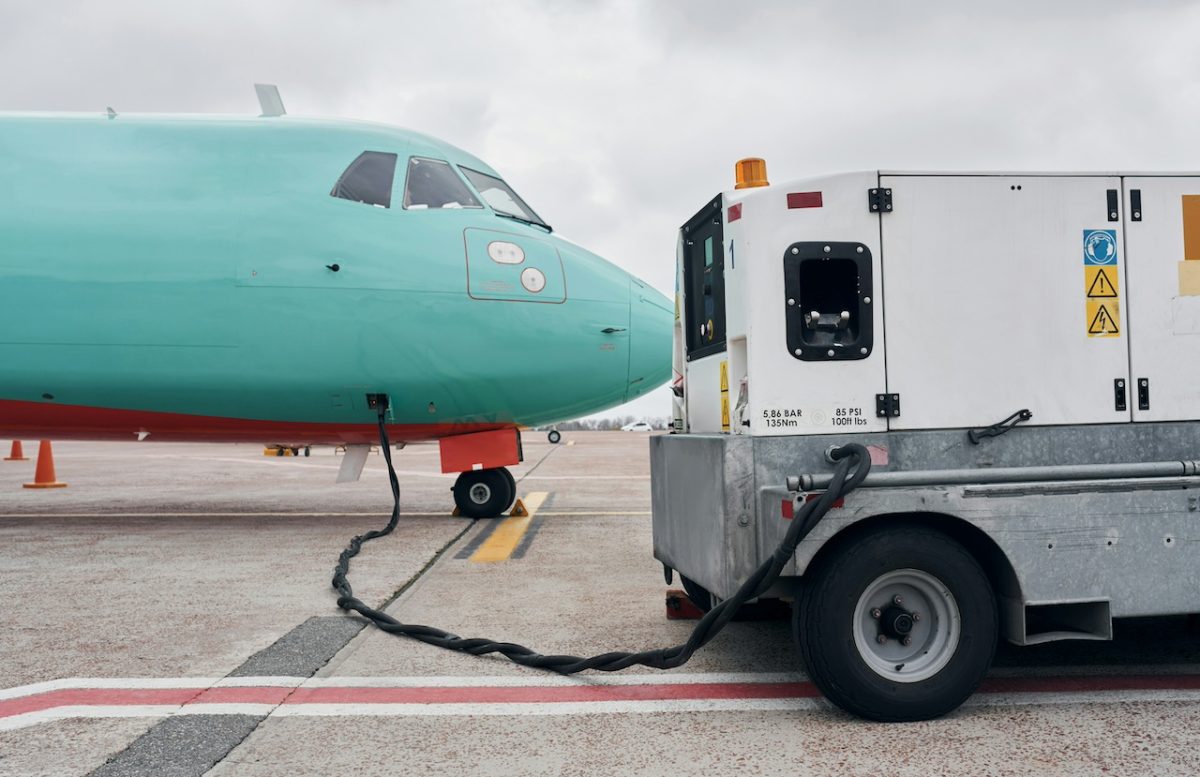
The reality, though, is messier than it sounds. American jet fuel typically has a higher freezing point than Europe's Jet A-1 standard, making it unsuitable for long-haul and high-altitude flights. Infrastructure adds another layer of difficulty: major hubs in Belgium, the Netherlands, Switzerland, and Germany depend on NATO-operated CEPS pipelines for fuel distribution. That means even if Europe secures alternative supplies, getting fuel where it needs to go involves navigating decades-old logistics constraints.
The vulnerability isn't evenly distributed either. Spain operates eight refineries and is a net exporter of jet fuel, having also secured special permission to access supplies through the Strait of Hormuz. Meanwhile, central and northern EU member states lack this cushion, creating a patchwork of resilience across the continent. Italy's Four Airports Hit the Brakes on Jet Fuel as Middle East Crisis Spreads, illustrating just how unevenly this crisis lands.
What the EU Is (And Isn't) Willing to Do
Here's where Brussels draws a firm line. The Commission has rejected airline requests to suspend environmental measures like the Emissions Trading Scheme or sustainable fuel mandates. Instead of rolling back climate commitments, they're doubling down on them, betting that SAF expansion and synthetic fuels offer both immediate relief and long-term solutions. The EU also maintains a 90-day emergency oil stockpile, and officials have hinted that coordinated reserves could be released if disruptions worsen.
The plan also addresses the EU's anti-tankering rule, which prevents aircraft from loading extra fuel at cheaper locations. That restriction exists for environmental reasons, but in a genuine shortage scenario, such rules would need recalibration. The Commission is working on defining what counts as an "exceptional" shortage, a definition that carries real consequences for airline compensation and operational flexibility.
EU officials have dismissed alarmist warnings, with Transport Commissioner Apostolos Tzitzikostas stating there's "no indication" of widespread disruption. Yet actions speak louder than reassurance. Middle East chaos is sending travelers to Europe instead, a shift that could actually ease some pressure if European airports benefit from rerouted traffic rather than suffer from flight cancellations.
What This Means for Your Summer Trip
For travelers, the math is straightforward but unsettling. If supplies tighten significantly, expect higher ticket prices, flight cancellations, and longer wait times for both bookings and actual travel. The $400 fuel surcharges people are already grumbling about could look like a bargain. Korean Air Braces for Sticker Shock as Middle East Tensions Spike Fuel Costs shows how quickly the pain spreads globally when European supply chains seize.
One more complication: Britain, no longer part of the EU, imports around 65 percent of its jet fuel and won't benefit from any coordinated European action.
The EU's strategy represents Europe's attempt to buy time and build resilience simultaneously. Whether those efforts prove sufficient depends on factors far beyond Brussels' control: the durability of Middle Eastern supply routes, the speed of SAF development, and the cooperation of 27 different member states with conflicting interests. Until then, travelers booking summer flights should assume supply remains tight, prices stay elevated, and flexibility in your booking plans is more valuable than certainty.