Your travel plans just got caught in a supply chain disaster you probably didn't see coming. Jet fuel prices have skyrocketed from around $85-90 per barrel to as high as $150-200, and the shockwave is hitting every airline on Earth. This isn't abstract economics. It means higher ticket prices, new surcharges, flight cancellations, and tough choices for anyone planning to fly this summer.
For years, fuel has been invisible to most passengers. Airlines absorbed price swings, hedged their bets, and kept fares relatively stable. But when fuel costs spike this dramatically and account for roughly 30% of an airline's operating expenses, there's nowhere to hide. Even if a diplomatic breakthrough happens tomorrow, the aviation industry expects to feel the pain for at least six to nine months.
The urgency is real. In Europe, energy officials warn that jet fuel stocks could run dry in as little as five weeks, with some estimates pointing to just two weeks. As summer travel season bears down, airlines worldwide are scrambling to stay afloat.
How Airlines Are Fighting Back
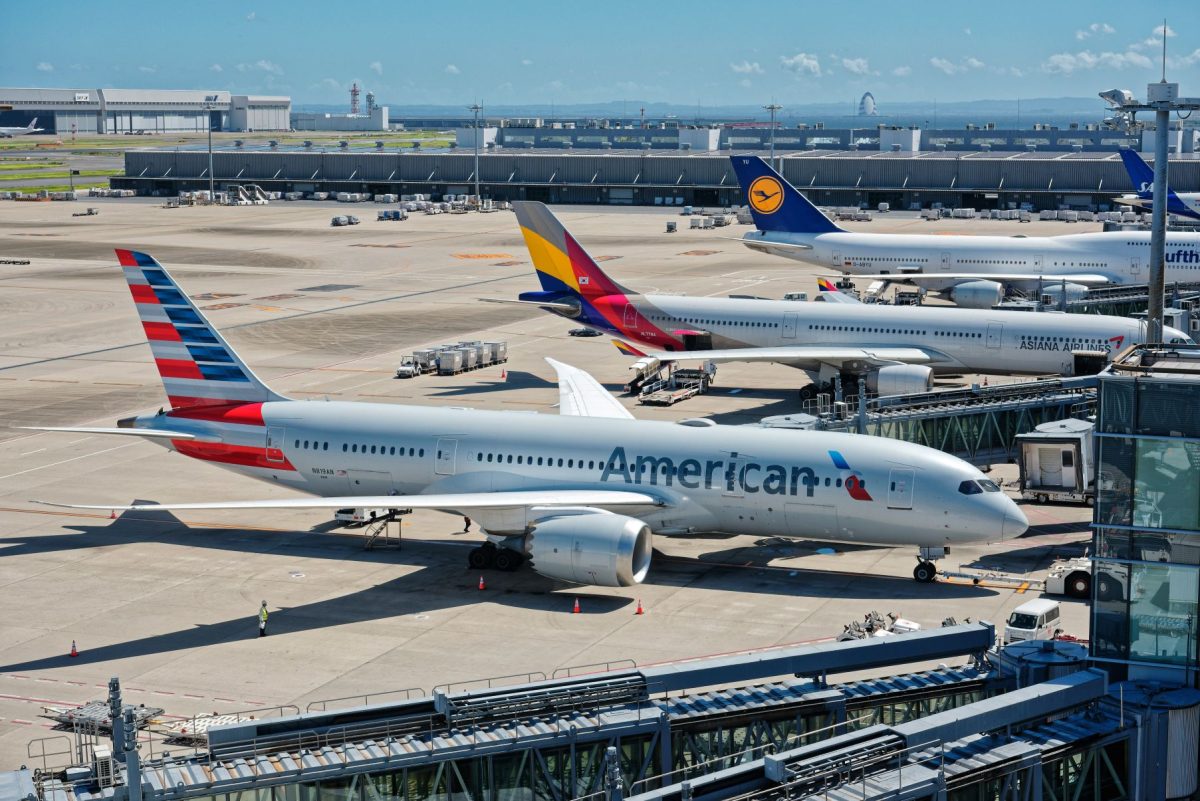
The response has been swift and painful. Some carriers are cutting capacity drastically. Korean Air entered emergency management mode, while Lufthansa grounded 27 short-haul aircraft ahead of schedule and will retire four A340-600 jets by summer's end. SAS cancelled 1,000 flights in April alone. Air Canada suspended New York services for nearly five months starting in June. Australian carrier Air New Zealand slashed 4% of flights (roughly 1,100 services) across May and June.
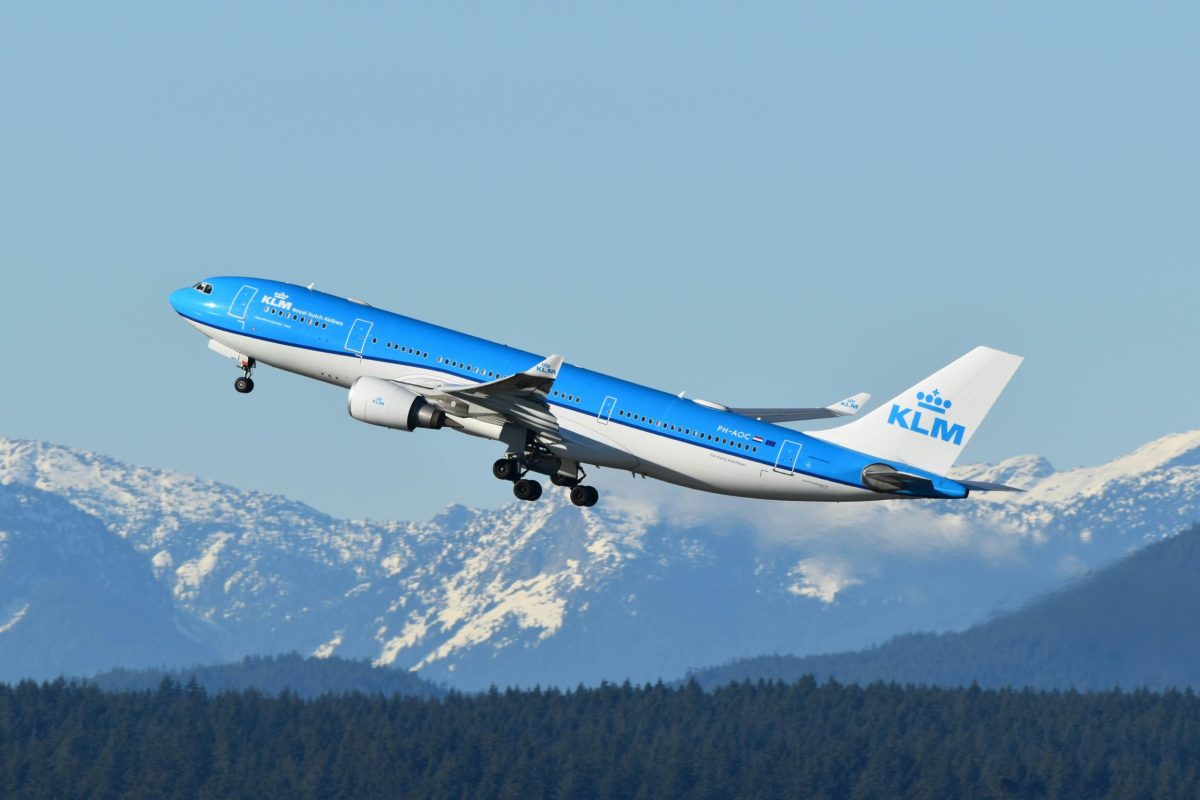
Others are raising prices aggressively. AirAsia X, struggling in Malaysia, cut 10% of flights and raised fares up to 40% while adding fuel surcharges of about 20%. IndiGo, India's largest carrier, introduced surcharges reaching up to 10,000 rupees (around €110) on international routes. Hong Kong Airlines pushed surcharges up 35%, topping out at HK$384 on certain long-haul flights. Air France-KLM doubled their long-haul fuel surcharges from €50 to €100 per return trip, with North America routes carrying an additional €70.
American carriers aren't immune. Delta reduced capacity by 3.5% and raised baggage fees $10 across the board, while American Airlines expects an additional $400 million in fuel-related costs. Southwest, JetBlue, and Alaska Airlines all hiked baggage fees. easyJet warned of a £540-560 million pre-tax loss, including £25 million in March fuel costs alone. The UK budget carrier's CEO said passengers should brace for higher fares by late summer as fuel hedges unwind.
Where It Hurts Most
Some regions are getting hit harder than others. Pakistan International Airlines raised domestic fares by around $20 and international tickets by up to $100. The Airline Operators of Nigeria threatened a nationwide shutdown over a 300% surge in Jet A1 prices, accusing fuel suppliers of artificial inflation. Across Africa and South Asia, where margins are already thin, carriers face an existential squeeze.
The paradox is striking: Nigeria exports fuel products yet faces domestic shortages. India's carriers are lobbying their government to lower fuel taxes, acknowledging that higher levies make an already bad situation worse. These aren't wealthy airlines with deep reserves. For many regional carriers, this crisis could be fatal.
What This Means for Your Travel Plans
If you're booking now, expect to see fuel surcharges itemized at checkout. That €50 or €100 extra on a European flight? That's deliberate cost transparency. Routes between major hubs are absorbing hits first, but secondary routes will follow. Some airlines, like British Airways, locked in fuel hedges early and are protecting themselves temporarily, but those advantages are temporary.
Summer 2024 is shaping up to be tighter than usual. Popular routes will fill faster because airlines are running fewer flights. Budget carriers, traditionally your cheapest option, are raising prices dramatically to survive. Europe's aviation sector faces particularly tight constraints as fuel inventories dwindle, meaning fewer discount options across the continent.
For flexible travelers, consider shifting plans toward shorter routes or destinations less dependent on long-haul flights. For those committed to specific trips, booking now beats waiting, but read the fine print carefully. Fuel surcharges can appear weeks after you've booked, buried in your booking confirmation.
This crisis will pass, but not quickly. Airlines will adjust, fuel markets will stabilize, and prices will eventually normalize. Until then, expect higher fares, fewer seats, and more nickel-and-diming at check-in. The golden age of cheap global air travel just got a little bit longer to wait.