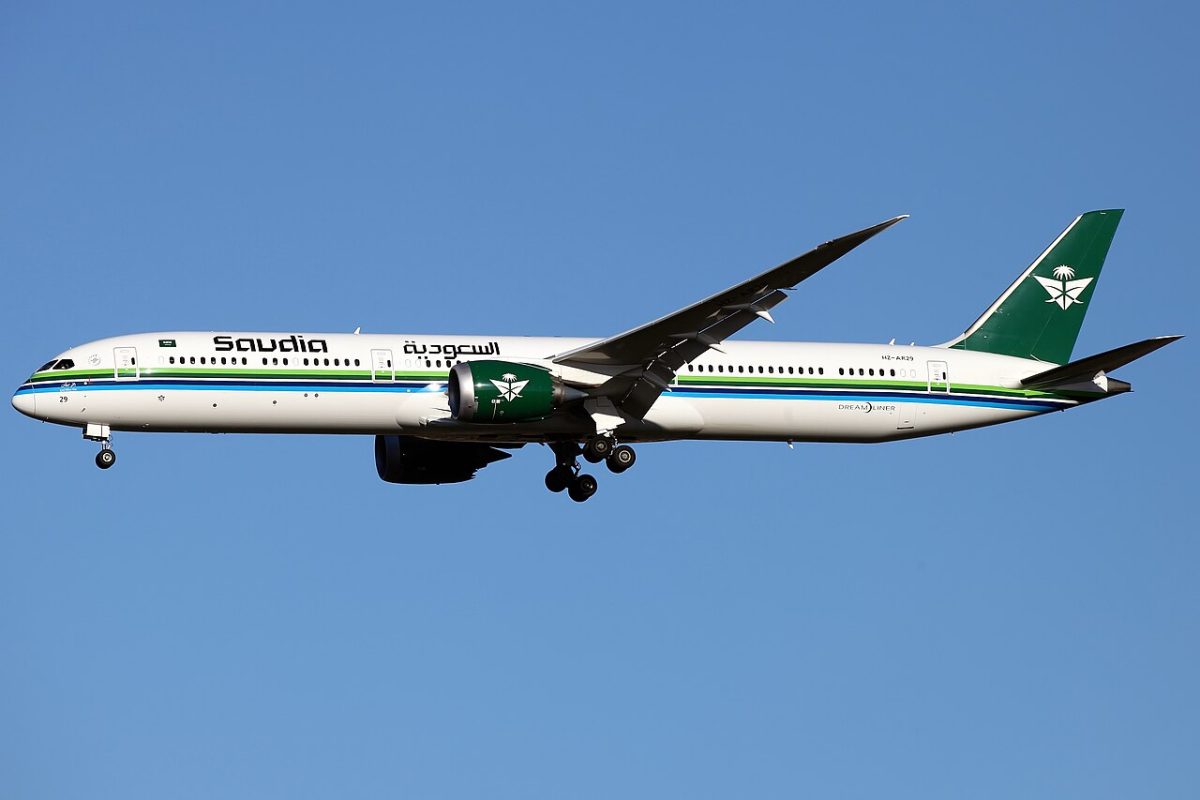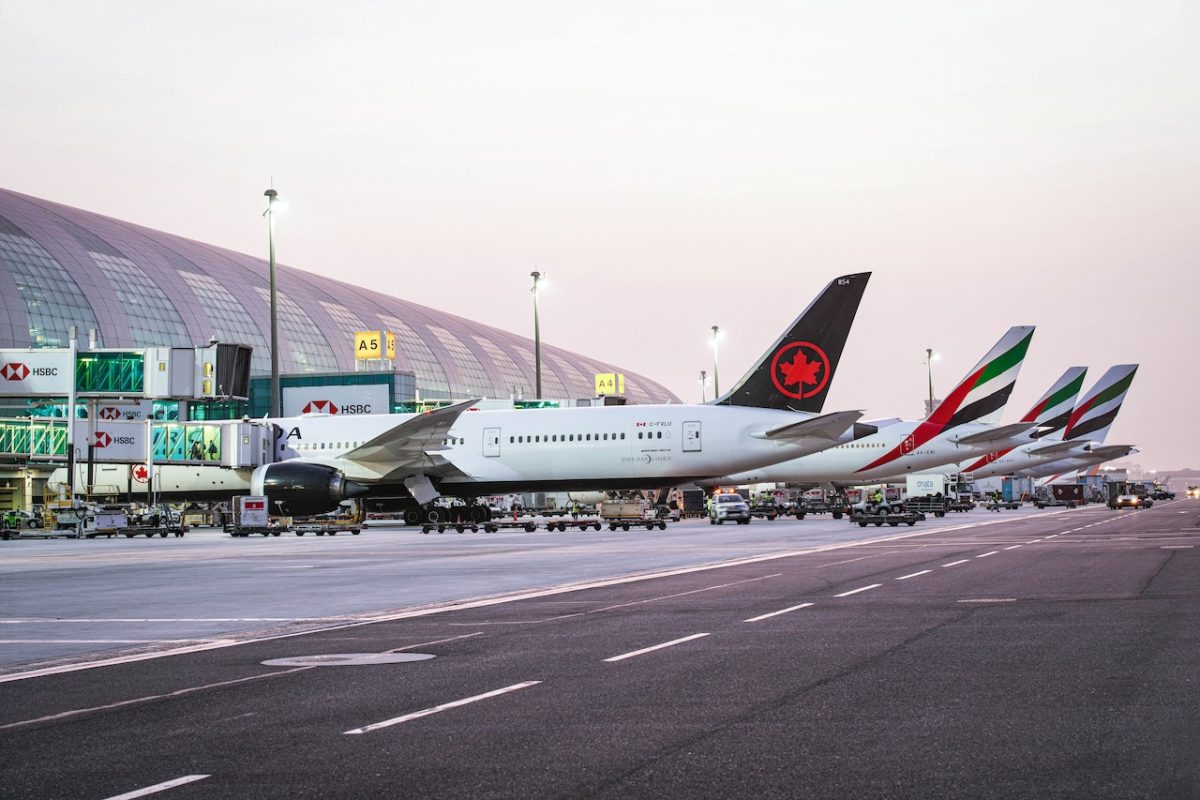
The Middle East is experiencing a travel crisis that ripples far beyond the region itself. Over two dozen airlines have announced sweeping flight suspensions extending well into 2026, with forecasts suggesting recovery won't begin in earnest until summer at the earliest. Closed airspace, blocked shipping lanes, and fuel shortages have created a perfect storm that no carrier wants to fly into.
What does this mean for travelers with tickets in hand? Chaos. Rebooking options are limited, alternative routes are filling up fast, and prices on remaining flights are climbing. If you have a booking to any major Middle Eastern hub right now, you need a clear picture of which airlines are flying where and when.
The Big Players Are Pulling Out
British Airways isn't flying to Amman, Bahrain, Dubai, or Tel Aviv until June, with potential service to Doha starting April 30 if conditions allow. That's a massive pullback for a carrier that normally blankets the region. Cathay Pacific has suspended both passenger and freight operations to Dubai and Riyadh until at least April 30. Air France, KLM, and Lufthansa Group carriers have all extended their suspension windows into April or May.
The Middle East's own carriers face their own headaches. Emirates and Etihad are operating skeleton schedules, flying only to select international hubs like London, Paris, New York, and Toronto. If you booked with Emirates between late February and mid-April, the airline is offering rebooking on alternate flights or full changes to your travel plans. It's something, but not much comfort if you had your heart set on Dubai.
Route by Route, the Suspensions Add Up
Tel Aviv remains largely off-limits. Delta's Atlanta flights won't resume until August. Most European and North American carriers won't return until April or May. Dubai operations are scattered and unpredictable. Dubai Civil Aviation Authority did resume partial flight operations on March 18, 2026, but capacity remains severely limited and delays are chronic.
Riyadh is also largely untouchable. KLM won't return until May 17. Aegean Airlines extended suspensions to May 24. Air France lasted just four days before reversing its March 20 reopening. Some carriers like Flynas have shuttered service to eight different destinations across the Gulf and surrounding countries through at least March 31.
Smaller destinations get even shorter shrift. Amman, Beirut, Baghdad, Erbil, and Larnaca are scattered across suspension lists with inconsistent restart dates. If your destination isn't a major hub, you're looking at much longer waits.
What Airlines Are Actually Offering
Carriers are pivoting aggressively to alternative routes. Air Canada is adding capacity to Delhi. Etihad is promoting European cities and South Asian connections. The Middle East tourism sector is hemorrhaging money, and airlines are trying to salvage whatever revenue they can by pushing travelers toward secondary destinations.
EL AL Israel Airlines has consolidated its operations dramatically. The carrier is maintaining flights from Tel Aviv to select North American cities (New York, Miami, Los Angeles), key Asian hubs (Bangkok, Tokyo, Phuot), and European capitals (Paris, London, Milan, Madrid, Munich, Athens), while suspending dozens of other routes entirely. If you're on EL AL and your destination isn't on that active list, automatic rebooking is supposed to happen, but expect delays and frustration.
What to Do If You're Booked
Check your airline's website immediately. Most carriers have dedicated rebooking portals. You have three basic options: rebook on a later date to your original destination, switch to an alternative route your airline actually flies, or request a refund. Airlines are offering these because customer relations matter, though some carriers are being more generous than others.
If you're considering a Middle East trip for summer, book now or prepare to gamble on chaos later. Prices are climbing as capacity shrinks. By mid-April, if operations don't resume normally, you could face much higher fares or very limited seating.
The region isn't going anywhere, but getting there right now requires patience, flexibility, and lower expectations. Check with your airline weekly. Suspension dates keep shifting. Stay alert, and be ready to pivot on short notice.