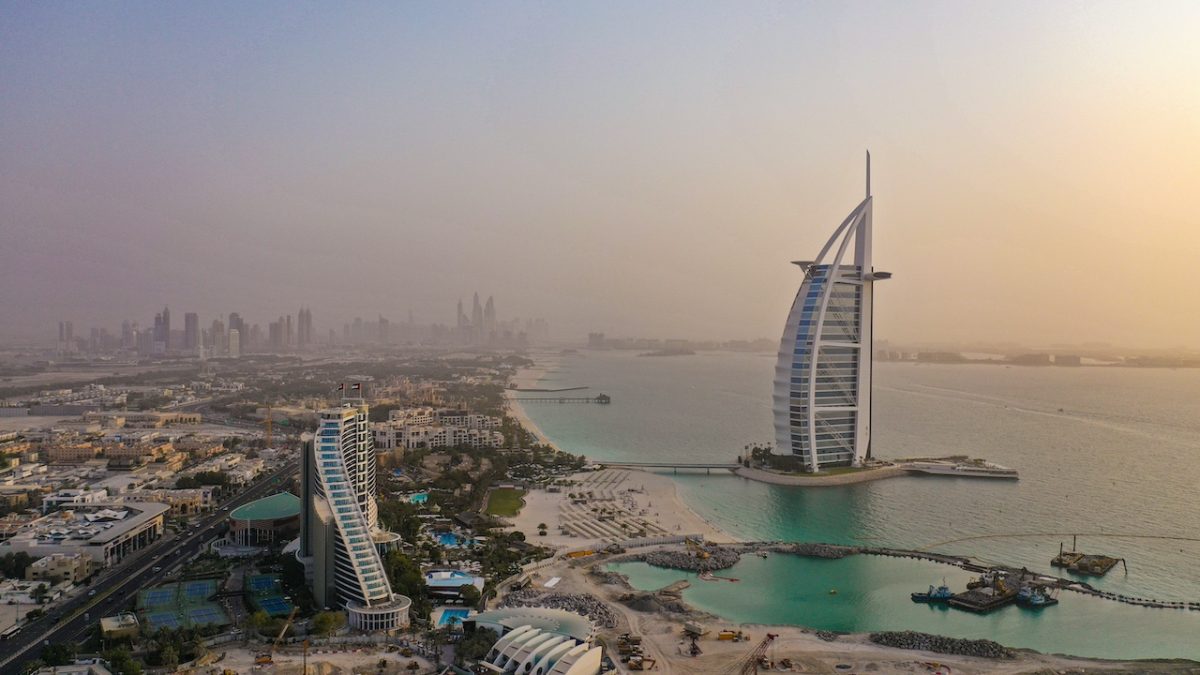
When the Burj Al Arab first rose from its man-made island in 1999, it didn't just become a hotel. It became a symbol. That billowing sail shape, cutting through the Dubai skyline 321 metres above the Persian Gulf, told the world something was shifting. A desert city had ambitions, money, and the audacity to dream in superlatives. Now, after more than two decades of uninterrupted glamour, this icon is stepping back for its most significant reinvention yet.
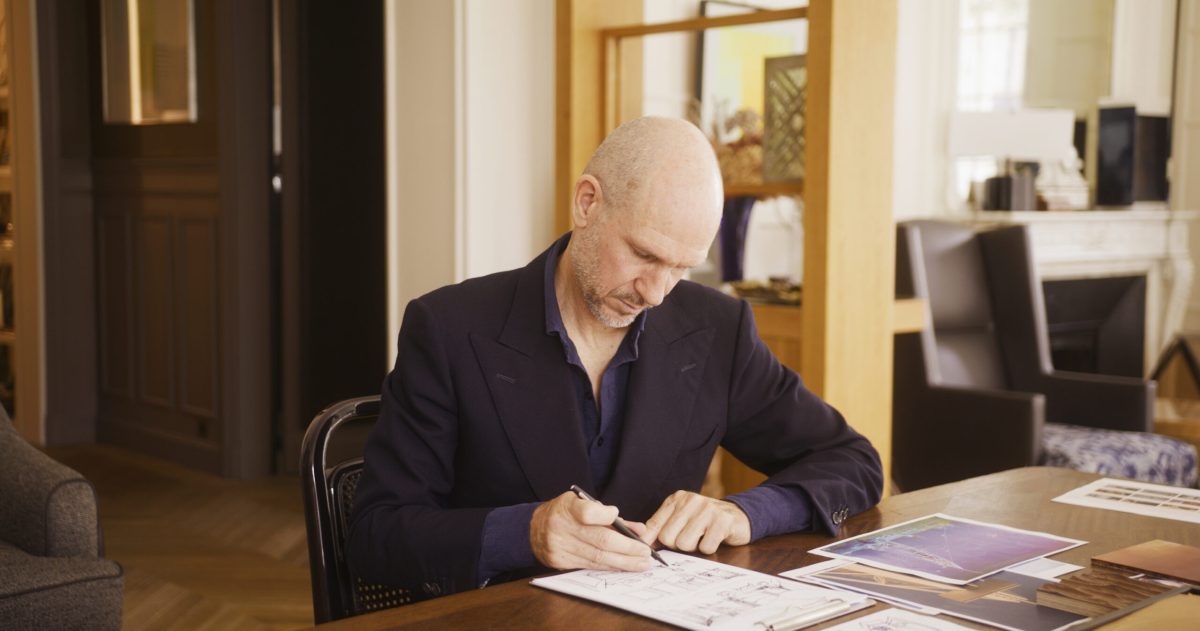
The hotel is closing for an 18-month restoration, and the project has gone to someone with serious credentials: Tristan Auer, the French interior architect who redesigned Hôtel de Crillon in Paris and earned Designer of the Year from Maison & Objet in 2017. Auer has already spent two years on-site working on the spa alone, which tells you everything about the level of detail expected. This isn't a quick refresh. This is haute decoration at its most meticulous.
The closure was prompted partly by damage the hotel sustained when debris from an intercepted Iranian drone caused a limited fire on the outer facade. But the timing has also created an opportunity. Thomas B. Meier, CEO of Jumeirah, sees this as a chance to write the next chapter of the property's story while preserving what makes it incomparable. "It's far more than an architectural landmark," he said. "It's a symbol of ambition, craftsmanship and enduring excellence."
Gold, Marble, and Uncompromising Excess
To understand what Auer is working with, consider the numbers. The Burj Al Arab contains approximately 1,790 square metres of 24-carat gold leaf. There are over 30 types of marble throughout the property. Somewhere in this building are 86,000 individual Swarovski crystals. Each of the 198 duplex suites comes with a dedicated butler and access to a fleet of Rolls-Royce vehicles waiting in the lobby like gilded chess pieces.
This is what "seven-star" looks like. That unofficial designation, coined by a journalist decades ago, has stuck because the Burj Al Arab doesn't just offer luxury. It offers a total suspension of normal rules. You can have a tennis match on the helipad (Federer and Agassi did). You can have a Formula 1 driver perform aerial stunts above the property. The hotel's restaurants hold Michelin stars. Its diners don't just eat. They experience.
What Auer must do, in his own words, is preserve this while extending the experience for another 25 years. "Legacy is everything," he told Condé Nast Traveler. "I need to step into the shoes of the original vision." He's comparing the work to preserving a masterpiece, which is apt. The Burj Al Arab didn't just define luxury hospitality in Dubai. It redefined the entire city's identity globally.
What's Changing, What's Not
Auer promises he will "push the opulence a little bit further," and as someone who has elevated some of Paris's most storied addresses, he has the pedigree to deliver. The goal isn't to rip out the gold leaf or replace the marble. It's to refresh, refine, and reimagine the spaces guests move through. Think how the Park Hyatt Tokyo preserved its essence while updating for contemporary tastes. That careful balance between reverence and reinvention.
The hotel's signature helipad events will continue. The culinary program will evolve. The butler service, the Rolls-Royces, the otherworldly décor standards that have made the Burj Al Arab an Instagram destination for luxury travelers worldwide, those aren't disappearing. They're being refined.
The Wider Dubai Moment
This renovation coincides with Dubai's next luxury expansion phase. The city is developing Naia Island, a high-end resort community emerging near the Burj Al Arab itself, complete with private villas, beachfront residences, and a Cheval Blanc-branded hotel. While regional tensions have affected some of Dubai's tourism momentum, the Burj Al Arab's closure and reopening signal confidence in the long game.
For travelers who've dreamed of staying in the world's most recognizable hotel, the closure creates a finite window of urgency. After 18 months, the Burj Al Arab will return, refined and ready. Until then, the silhouette will stand quiet against the Dubai skyline, caught between its storied past and its reimagined future. When those doors open again, expect a hotel that honors everything that came before while reaching toward something even more extraordinary.