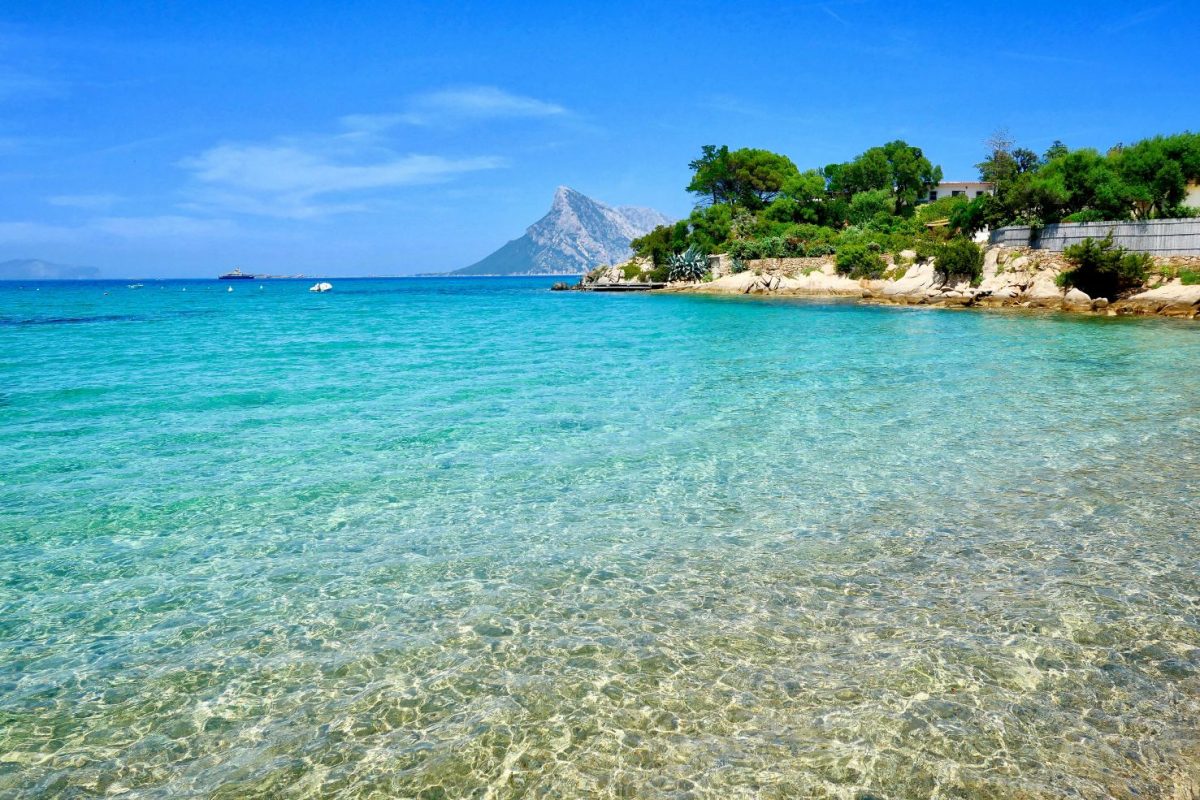
Cala Finanza, a stretch of northeastern Sardinia's jagged coastline, became an unexpected battleground last summer. A Brazilian hospitality company wanted to build a glamping complex on the shores of a marine protected area, directly across from the island of Tavolara. The Brazilian outfit, JHSF (which operates the upscale Fasano hotel chain), proposed renovating an existing villa and adding roughly 20 cabins to a site just 20 kilometers south of Porto Rotondo.
On paper, it sounded like a modest addition. The company claimed the new structures wouldn't expand the total built footprint. What they didn't account for was Sardinia's 2006 coastal protection law, a surprisingly bold piece of regional governance. Two decades ago, billionaire Renato Soru (then the region's president) essentially banned all construction within 300 meters of the shoreline, a directive that covered the entire island.
How to Sidestep a Coastal Ban
So JHSF tried a workaround. They petitioned the regional government to carve out a special economic zone (ZES) that would exempt their project from Soru's restriction. Early last year, planners approved the resort before officially rubber-stamping the special zone itself. The cart went before the horse, and someone noticed.
Word spread quickly through Sardinian social media. Locals organized protests at Cala Finanza. They didn't want their wild, undeveloped coastline transformed into another high-end resort destination, no matter how tastefully designed. The frustration tapped into something deeper about tourism's creeping footprint across Mediterranean islands. Sardinia's relationship with tourism development has always been complicated, balancing investment opportunities against environmental protection.
By July 2026, the momentum swung decisively. Regional officials revoked the special economic zone authorization, effectively killing the project. The island's president, Alessandra Todde, framed it as a victory for Sardinian autonomy and regional power. "Sardinia is not for sale," she said, calling out the state's failed attempt to override local wishes. Politicians demanded resignations from officials who'd approved the plan prematurely.
A Lesson in Institutional Muscle
Mayor Francesco Lai adopted a slightly different tone. Rather than seeking heads on pikes, he treated the collapse as a teaching moment for everyone involved. "This affair must be a lesson," Lai said. "For investors, first and foremost: Sardinia is not up for grabs." He emphasized that when a municipality takes its responsibilities seriously, the state eventually listens and corrects course. It wasn't a victory lap. It was a warning.
The Cala Finanza fight reflects a widening tension in global tourism. Similar battles are erupting elsewhere, like in Albania where Trump's son-in-law proposed a massive resort near the Vjosa-Narta lagoon. International hospitality groups see coastal real estate as opportunity. Local communities increasingly see it as a threat to their way of life and natural inheritance.
At the same time, the tourism industry is grappling with sustainability questions at a global scale. Coastal nations like Angola are wrestling with how to develop "blue oil" (Africa's longest coastlines) responsibly, knowing that every resort, marina, and glamping site reshapes the ecosystem and the communities living there.
For travelers planning visits to Sardinia, the story has a straightforward takeaway: the island's commitment to preserving its rugged, undeveloped coastline just got stronger. You won't find a cutting-edge resort across from Tavolara. What you will find is the reason locals fought so hard to keep it that way.