On the Adriatic coast of Albania, a real-world drama is unfolding that sounds almost too absurd to be true. A proposed luxury resort development has sparked one of the country's most sustained protest movements, complete with demonstrators carrying inflatable flamingos through the streets of Tirana. The name of the project, Flamingo Royale, might conjure images of a Bond film villain's lair, but the stakes for Albania's delicate coastline are very much real.
At the center of the controversy sits Sazan Island, a former Soviet submarine base that spent decades as a restricted military zone during the Cold War. The island, scattered with abandoned bunkers and heavy with Cold War history, is now the proposed site of a $1.4 billion resort development backed by Affinity Partners, an investment firm linked to Jared Kushner. The plan would transform the island and adjacent stretches of the Vjosa-Narta coastal area into a luxury destination complete with five-star hotels, private villas, and a full-service marina. Ivanka Trump, who has been actively involved in promoting the project, described discovering the island during a boat trip, hiking barefoot to the top and feeling captivated by its raw beauty.
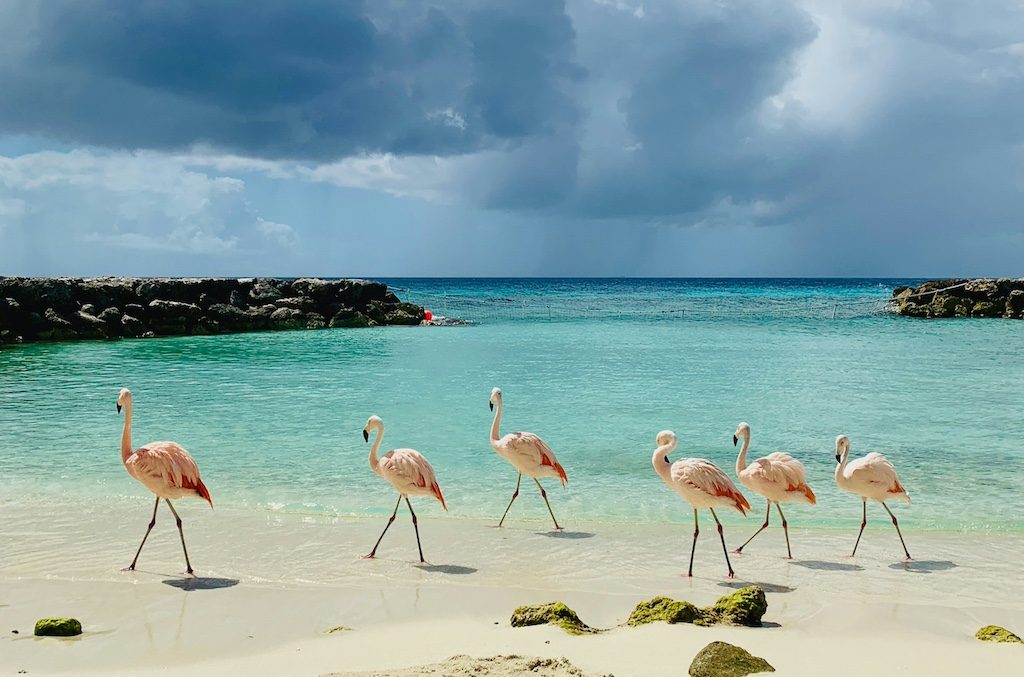
The problem is that this particular slice of coastline isn't empty wilderness waiting to be developed. It's one of the Adriatic's last genuinely wild spaces, home to migratory flamingos, dolphins, sea turtles, Mediterranean monk seals, and countless other species that depend on undisturbed habitat. Environmental groups have sounded the alarm, warning that construction would devastate an ecosystem that Albania simply cannot afford to lose. "Like being in a fairytale," according to Joni Vorpsey of the NGO Protection and Preservation of Natural Environment in Albania, who describes the area as a "magical hub" that could be permanently erased by development.
When a Nation Says No
The opposition has been extraordinary. Tens of thousands of Albanians have filled the streets of Tirana carrying inflatable flamingos and chanting "Albania is not for sale!" Rallies have escalated into confrontations with police. Outside the office of Prime Minister Edi Rama, protesters gathered shouting calls for revolution and his resignation. By some accounts, the demonstrations have stretched into their second week, showing no signs of quieting down.
Prime Minister Rama, however, remains unmoved. He insists the investment is too economically important to abandon, arguing that wealthy tourists spending $2,000 per night ultimately benefit local workers, cooks, drivers, fishermen, and small business owners. He's dismissed the protests as exaggerated. The project's developers claim their focus is on "responsible stewardship and environmental enhancement," though renderings shared on social media by the Trumps haven't convinced skeptics. Eva Kushova of the Albanian non-profit Destination Management Organisation warned bluntly: "We are a small country, and we cannot allow Albania to become a new Dubai."
This tension between rapid development and preservation isn't unique to Albania. Favorite beach resorts are already vanishing across the Mediterranean, and similar conflicts have erupted over Poland's Baltic mega-resorts and other large-scale coastal projects. What makes the Sazan Island case distinctive is both the scale of public resistance and the geopolitical dimensions it carries.
The Complications Beneath the Surface
Land disputes in Albania often carry the weight of history. This project is no exception. Anti-corruption prosecutors have opened an investigation into the land titles connected to the development, freezing bank accounts of companies involved in the deal. The financing structure itself has drawn scrutiny, with reported connections to Qatari investors whose roles remain unclear. Questions about who actually owns what, and whether proper legal procedures were followed, hover over the entire enterprise.
The White House has attempted to distance itself from the controversy, with a spokesperson emphasizing that Kushner is a "volunteer" whose private business ventures have nothing to do with the current administration. Yet the project's visibility and the prominence of those backing it have made that separation difficult to maintain in the court of public opinion.
There's also the matter of timing. Albania is working toward membership in the European Union, a process that requires alignment with EU environmental standards. European Council President António Costa recently praised Tirana's progress toward accession, but the Sazan Island project exists in uncomfortable tension with those commitments. It's hard to imagine the EU rubber-stamping membership for a country that just destroyed one of its most biodiverse coastal habitats.
For now, Albania's pink flamingos have become unexpected symbols in a larger struggle between the allure of luxury tourism investment and the protection of one of Europe's last genuinely wild coastlines. Whether the street protests and legal challenges will halt or reshape the project remains an open question. What's certain is that this standoff has forced Albanians and the world to confront some uncomfortable truths about what gets built, who decides, and what we're willing to sacrifice in the name of economic growth.