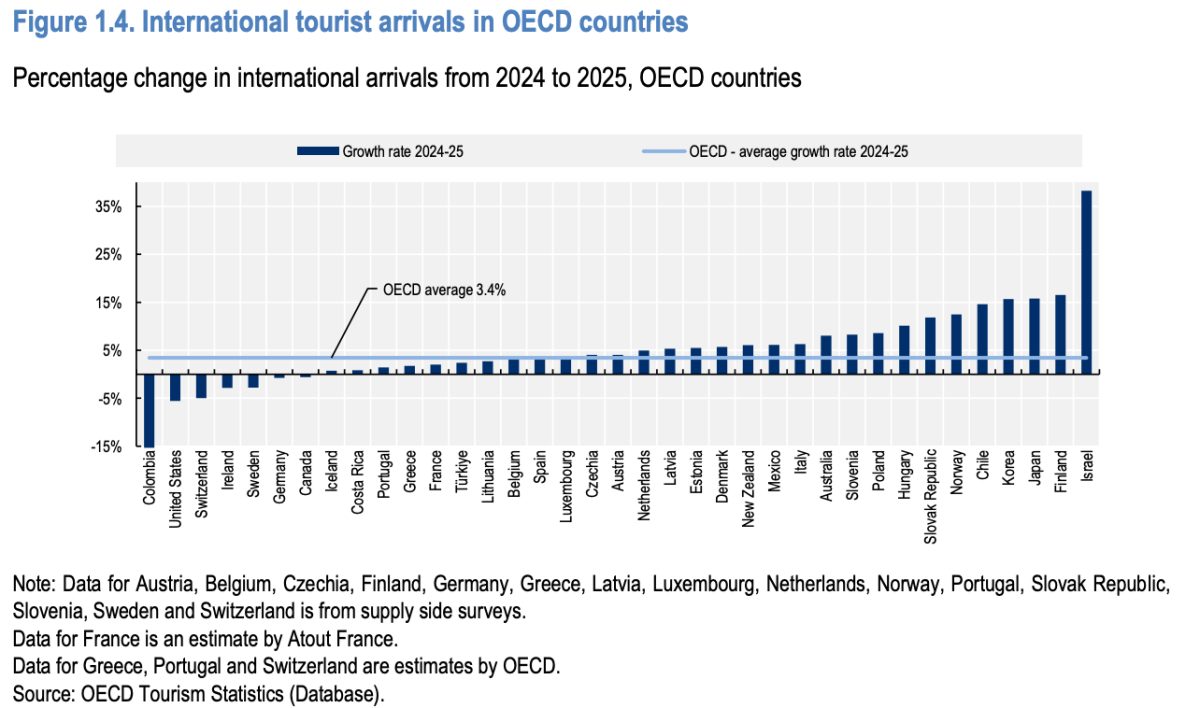
The numbers look great on paper. International tourism to OECD countries surged past all previous records in 2025, welcoming 847 million visitors and climbing 3.4% from the year before. That's the kind of growth that makes tourism ministers smile and hotel chains expand their portfolios. But here's the catch: the era of chasing pure visitor volume is dying, and the industry knows it.
The OECD's latest Tourism Trends and Policies report tells a more complicated story than those headline numbers suggest. Yes, demand remains robust. But beneath the surface, the sector is fracturing. Geopolitical instability, increasingly severe weather events, and travellers becoming pickier about where they spend their money are forcing a fundamental shift in how destinations operate. This isn't just about attracting more people anymore. It's about managing them responsibly.
Conflict reshapes the map of where people actually travel
The Middle East conflict has become a visible scar on the global travel industry. Destinations across the region and countries dependent on Gulf aviation hubs have taken real hits. Safety concerns are now steering traveller decisions in ways that didn't matter five years ago. Instead of considering an exotic destination they've always wanted to explore, many tourists are now choosing places they perceive as safer, booking shorter trips, and hunting for budget options. Cyprus tourism crashed as Middle East tensions scared visitors away, a pattern that's repeating across vulnerable regions.
Travel operators and airlines need to anticipate these shifting patterns as they plan for 2027 and beyond. The old playbook of opening more beds and advertising harder won't cut it.
Winners and losers tell the real story
The growth wasn't evenly distributed. Finland led the pack with 16.5% growth in arrivals, followed by Japan (15.8%), South Korea (15.7%), and Norway (12.5%). Japan and South Korea rode momentum from 2024, when both countries saw inbound tourism jump by more than 47%, thanks partly to expanded flights and Japan's weak yen making everything cheaper for visitors.
But plenty of destinations got left behind. Canada, Germany, Ireland, and the United States all saw arrivals shrink in 2025, with the US dropping 5.5%. All four countries remain below pre-pandemic visitor numbers. Israel tells the starkest story: tourism is still down more than 70% compared to pre-conflict levels.
From counting heads to building resilience
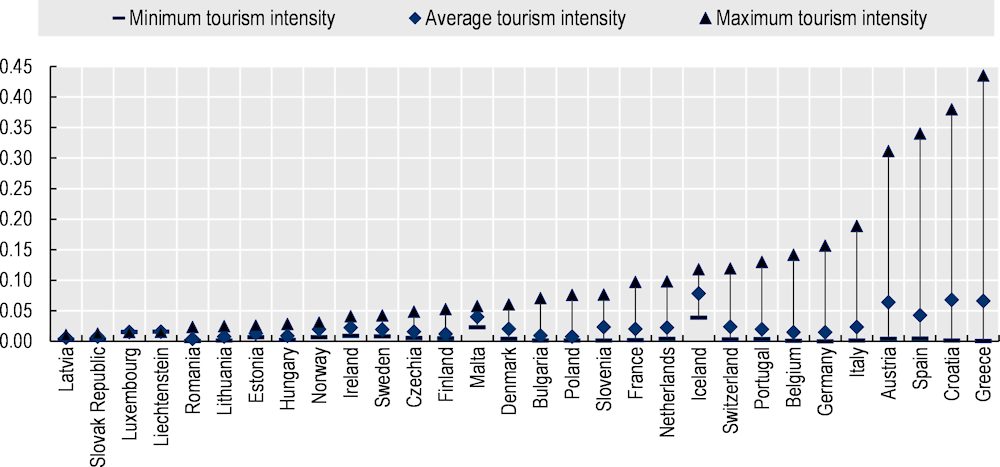
Tourism policy is undergoing a quiet revolution. Governments are shifting from measuring success purely by visitor numbers to asking harder questions. How much economic benefit actually stays in the community? What's the impact on local infrastructure and the environment? How do we prevent overtourism from destroying the very things that make a place worth visiting?
Digital tools and artificial intelligence are now helping destinations track visitor flows in real time, spread people out across regions more effectively, and even predict where problems might emerge. Real-time data means you can see when a neighbourhood is getting too crowded and gently redirect visitors elsewhere. That's smart management, not just smart marketing.

Climate chaos is the crisis nobody's fully prepared for
Heatwaves, floods, and wildfires are becoming the tourism industry's silent threat. Europe's Dream Destinations Are Sweltering, and weather disruptions are only expected to intensify. The OECD is pushing governments to embed climate risk assessments directly into tourism strategies, build more resilient infrastructure, and help tourism businesses adapt to environmental shifts they can't control.
The European Commission is moving first, preparing its EU Strategy for Sustainable Tourism to address exactly these issues. Officials speaking at the report's launch emphasized that tourism must now balance economic growth with protecting the environment and residents' quality of life. It's a harder challenge than just filling hotel beds, but it's the only long-term strategy that actually works.
What this means for travelers and the places you want to visit
If you're planning trips in the next few years, expect destinations to be more intentional about managing your visit. Some places may limit daily visitors. Others will price admission to regulate crowds. That's not a bug. It's the industry finally acknowledging that some destinations were getting loved to death. Cinque Terre's hefty fines for careless tourists show how serious places have become about protecting themselves.
The good news: travel is still booming. Opportunities exist in lesser-known regions that want responsible tourism development. And destinations that embrace sustainable practices early tend to create better, longer-lasting experiences for visitors. The shift away from mass tourism means you're more likely to have authentic encounters rather than shuffling through crowded selfie lines.
The travel industry in 2025 proved it can grow. Now it has to prove it can grow without breaking.