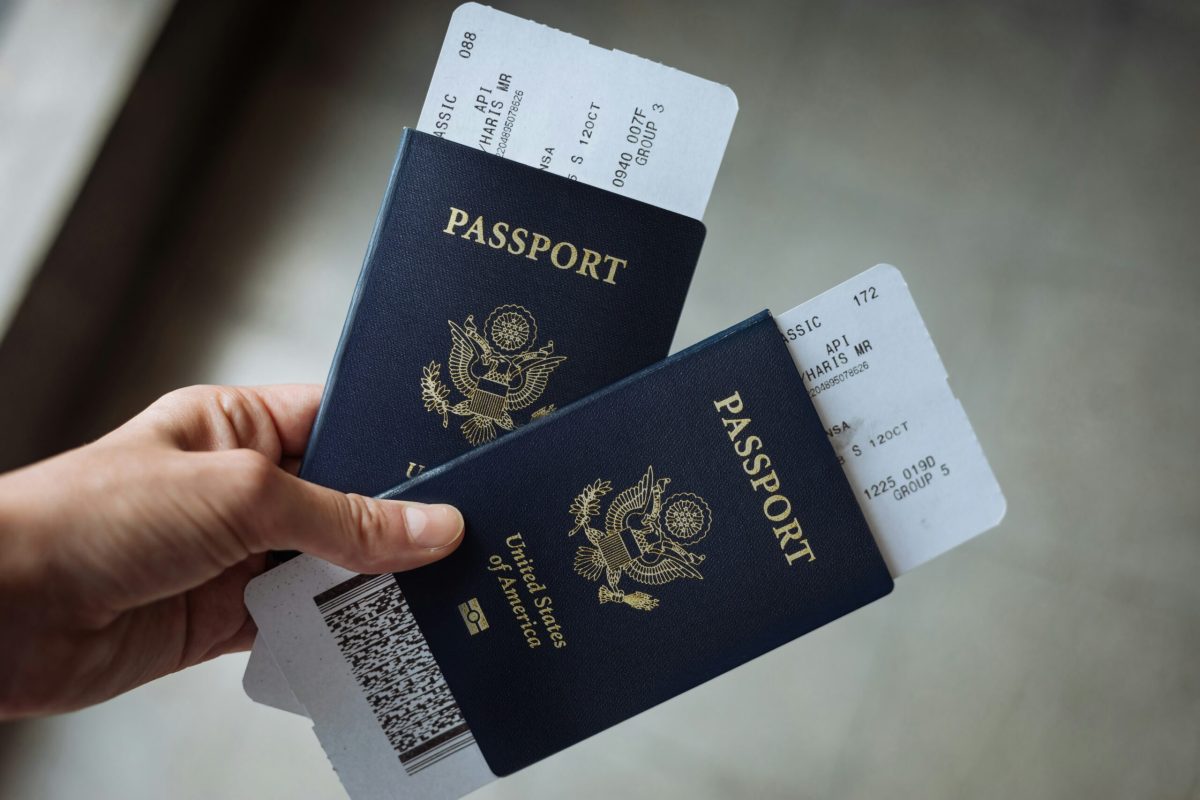
If you're planning a trip to Europe this summer, pack your patience alongside your passport. The European Union's shiny new Entry/Exit System (EES) has turned border crossings into endurance tests, and officials are finally admitting the digital upgrade isn't working.
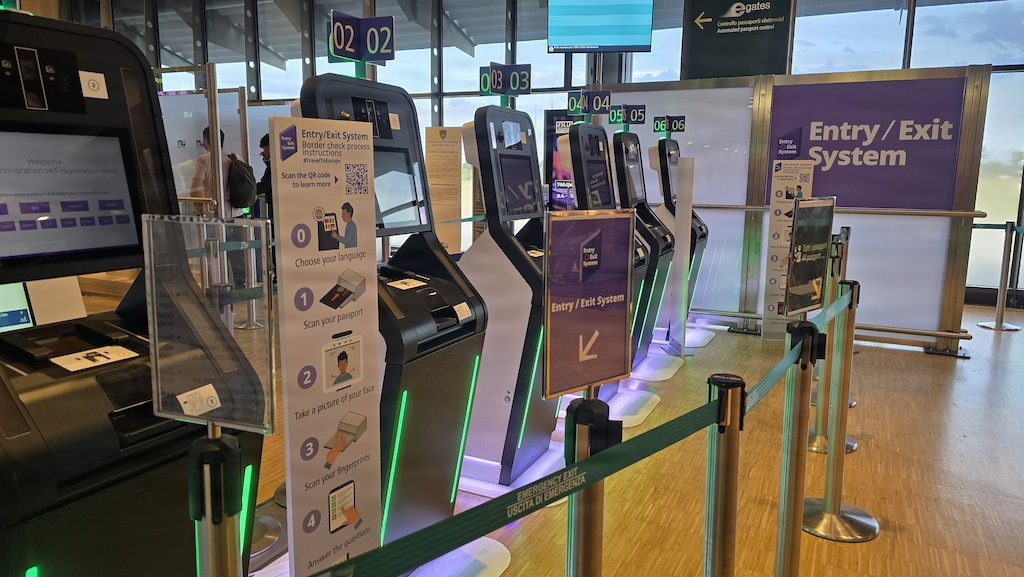
The system, which launched fully in April 2026, replaces old-fashioned passport stamps with a high-tech process that captures facial images, fingerprints, and travel details for non-EU visitors entering the Schengen Area. On paper, it sounds solid: better security, faster processing, and an end to forged documents. In reality, travelers are standing in arrival halls for hours while biometric scanners struggle to keep up.
Brussels Commission President Ursula von der Leyen finally acknowledged the mess last week, admitting there's "still a lot to do" to fix the system. That's diplomatic speak for "we didn't prepare for this." Meanwhile, airport operators, airlines, and tourism groups are sounding alarms. During peak hours in July and August, some travelers report waits stretching to five hours just to clear immigration. In Rome, passengers have been camping outside terminals and parking areas because staff simply can't process people fast enough.
What Went Wrong
The core problem is first-time registrations. When you arrive in the Schengen Area for the first time under this system, your biometric data gets collected and matched against databases to check for security threats. It takes longer than a simple passport scan, and airports didn't beef up staffing enough to handle the volume. Rome's airport is already trying to pause parts of the system during the busiest weeks just to survive the summer rush.
The Commission claims the system is delivering real security wins. According to their data, more than 40,000 people have been stopped for invalid documents, and over 1,000 individuals flagged as potential security risks. Greece has found ways to navigate the chaos by temporarily suspending biometric collection during heavy traffic periods. But these are band-aids on a wound that needs surgery.
Why This Matters for Your Trip
If you're flying into Europe from outside the EU, add at least 90 minutes to your connection times. Europeans are traveling in record numbers this summer, and the EES bottleneck is hitting just when airports are already overwhelmed. Airlines are formally advising passengers to arrive earlier than ever before.
The World Travel and Tourism Council is pushing Brussels to let countries pause biometric registration when capacity gets exceeded, and some airports support pre-registration through a mobile app to speed things up. But officials warn these aren't quick fixes. Frontex, the EU's border agency, estimates the system won't stabilize for another one to two years. The fingerprint and facial recognition part of first-time registration remains the slowest component.
The Real Question
So should this stop you from visiting Europe? Not necessarily. Just go in with realistic expectations. Build extra time into your itineraries, download your travel documents in advance, and don't panic if you see long queues. Thousands of travelers are getting through every day despite the chaos. The system will eventually improve, but don't expect seamless processing anytime soon. Europe's borders just got more secure, but also more of a hassle. That's the price of digital transformation when nobody's quite ready for it.