Ask any traveler if they'd spend a night on a yacht, and most say yes. Then ask how many have actually done it. The gap between fantasy and reality reveals a massive blind spot in global tourism.
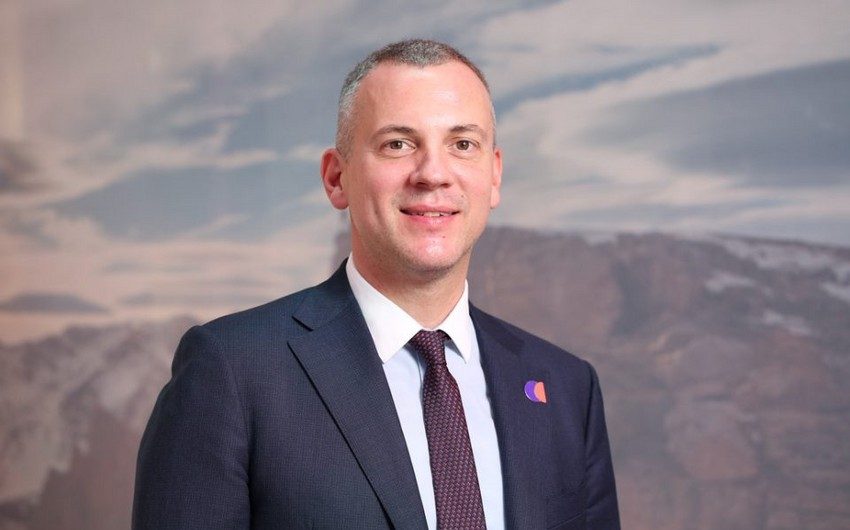
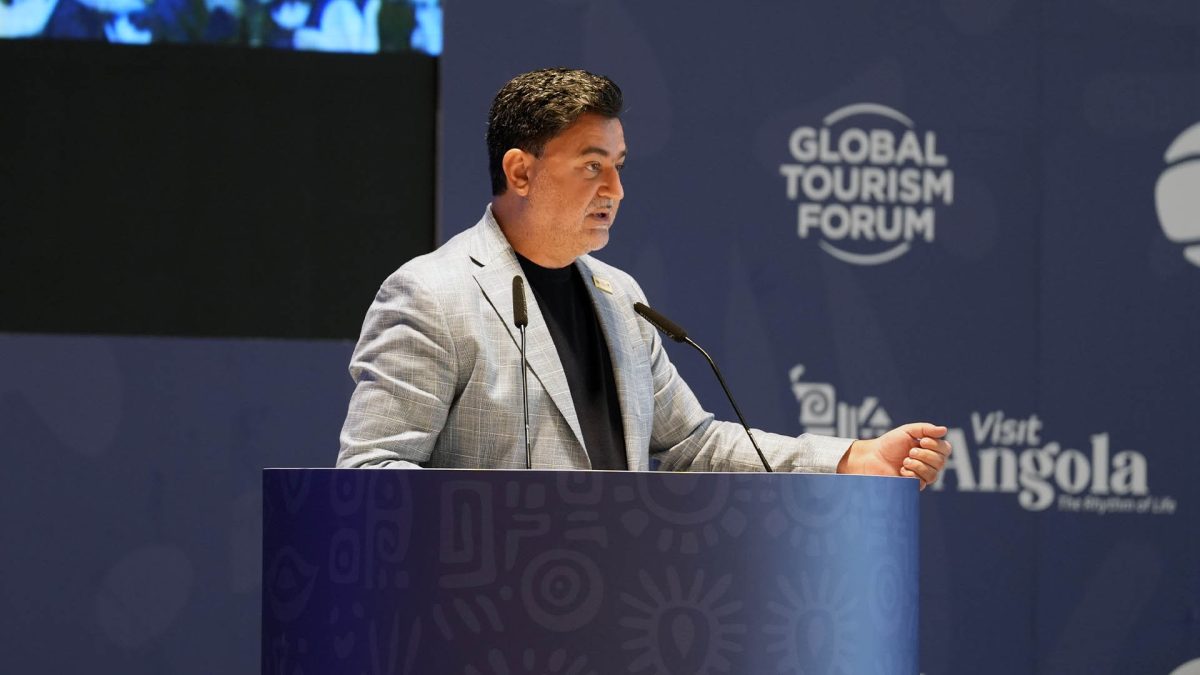
That's the insight Wael Joujou, founder and CEO of V-Marine Bahrain, brought to the Global Tourism Forum Angola in Luanda. While Angola's tourism ambitions have been making headlines, Joujou presented a concept that could reframe the entire conversation: instead of just developing beachfront resorts, what if Angola built an entire tourism economy on the water itself?
Angola's coastline stretches 1600 kilometers and ranks among Africa's most pristine and geographically diverse. Yet it remains largely unknown to international travelers. Joujou argued that while the country has been promoted as having "green oil" (tourism potential), its real opportunity lies in what he calls "blue oil" - the vast, largely untapped ocean that surrounds it.
The Yacht Experience Is Stuck in a Luxury Silo
Here's the problem: yachting feels exclusive, difficult to arrange, and loaded with "high barriers to access." Private charters, marina operators, technical negotiations - it's a maze. Joujou suggested that booking a yacht overnight should be as straightforward as reserving a hotel room. Right now, it isn't. The industry has failed to package nautical experiences as a scalable, accessible tourism product, even though demand clearly exists.
What if floating hotels, overwater villas, yacht stays, and floating beach clubs weren't niche luxury offerings but mainstream travel options? The Maldives, Venice, Amsterdam, and Monaco all proved that water-based tourism can anchor an entire destination's appeal. These places aren't just resorts next to water; they are water destinations. Angola could follow that blueprint.
Breaking Free From Traditional Development
Most coastal destinations make the same mistake: they treat the ocean as decoration rather than real estate. A thin strip of beachfront becomes expensive and overdeveloped while the marine environment beyond sits empty. Joujou calls this the "vertical paradox," and it's a trap Angola doesn't need to fall into.
Floating terminals, marina destinations, and water-based infrastructure could expand Angola's hospitality capacity beyond land entirely. As Angola continues plotting its tourism future, avoiding cookie-cutter resort models and innovating from the start could position the country as genuinely different from competitors.
The technology exists already. What's missing is the willingness to reimagine how tourists move through and experience coastal destinations. Emerging battery-powered vessels and seaglider-style transport mean reaching a floating hotel could feel as simple as ordering a taxi. That's a game-changer for destinations worried that island or offshore experiences feel too remote or complicated.
From Land's Edge to the Open Water
Joujou's central pitch to policymakers and investors was simple: stop seeing the ocean as where the land ends. Start seeing it as where tourism begins. Floating assets in varied sizes and styles, with diverse investment structures, could be commercialized quickly once the framework exists.
Luanda's growing role as a tourism hub for the continent suggests the momentum is building. If Angola can move fast on blue economy infrastructure, it won't just add another beach destination to Africa's tourism map. It could create something genuinely new.
The question now is whether Angola's policymakers grasp the opportunity. Vast, visually powerful, and almost unknown to international travelers, Angola's coastline has the raw material for something transformative. All it needs is the vision to build horizontally across the water instead of vertically up the shore.