There's a quiet revolution happening above Brussels, and it's literally that: quiet.
Brussels Airlines has slashed aircraft noise pollution by half since 2014, a milestone the carrier announced recently at an event attended by regional government officials and airport leadership. The achievement might sound technical, but for anyone who lives near an airport or cares about urban quality of life, it's genuinely significant.
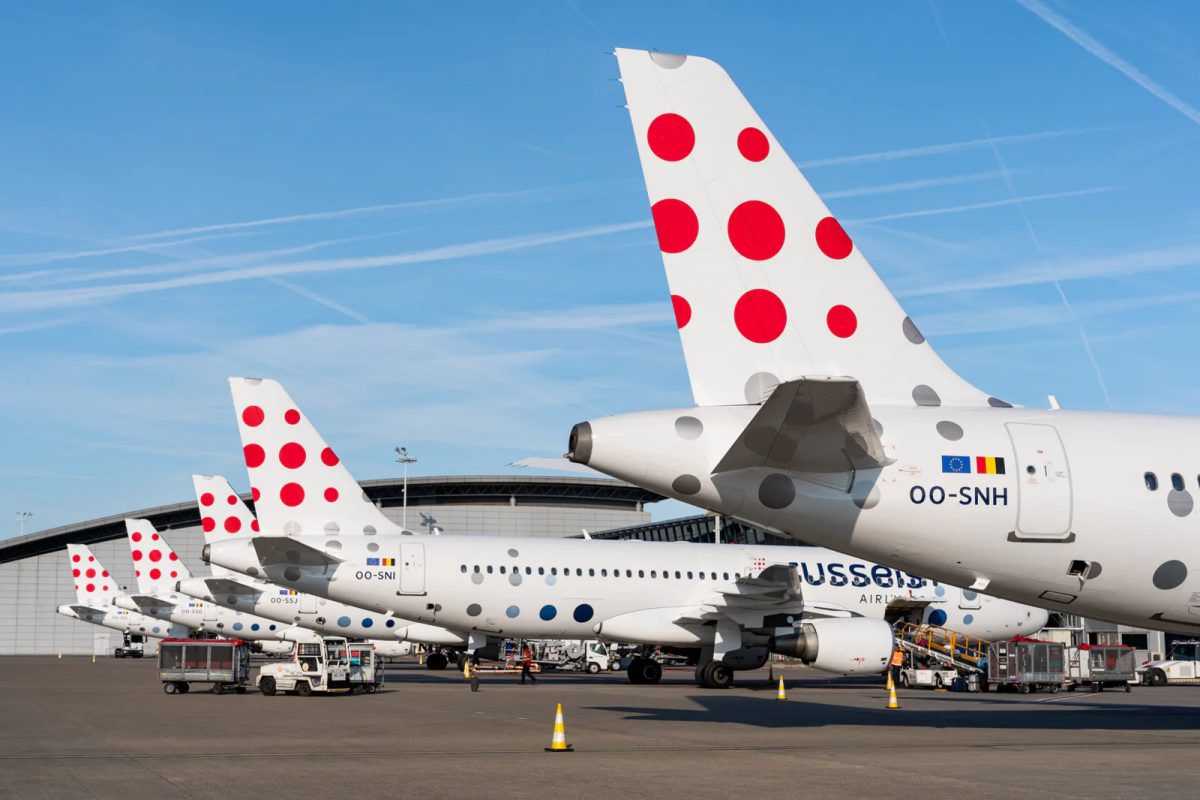
The Belgian carrier credits one machine with driving most of this change: the Airbus A320neo. These newer aircraft aren't just whisper-quiet compared to their predecessors. They're also burning roughly 20% less fuel, which means lower CO2 emissions and cheaper operating costs. That dual benefit explains why airlines are rushing to modernize their fleets.
Brussels Airlines has already welcomed eight of these aircraft, with five more on order. By the time deliveries finish, the Lufthansa Group subsidiary will operate a 46-plane fleet that looks nothing like it did a decade ago. The carrier started this refresh in 2023 and shows no signs of slowing down.
A decades-long battle over noise
This progress matters because Brussels Airport has been ground zero for noise complaints across Belgium and neighboring regions. Residents in surrounding neighborhoods have documented thousands of violations of noise regulations. Those breaches triggered millions in federal fines and created genuine tension between local communities, national lawmakers, and airport operators.
Night flights, sleep disturbances, and constant daytime roar became defining grievances for people living nearby. Airlines themselves racked up substantial unpaid penalties. The situation illustrated a real problem in European aviation: airports were growing, neighborhoods were getting louder, and nobody was happy.
The noise reduction signals a shift in priorities across the industry. Scandinavian Airlines and other major carriers are also investing heavily in modern fleets, recognizing that fuel efficiency and environmental responsibility now matter to customers and governments alike.
The balanced approach framework
Here's where it gets political. Brussels Airport's environmental permit was rescinded in 2025 because it didn't follow the European Union's "balanced approach" procedure. That bureaucratic-sounding phrase actually describes a specific framework with four pillars: quieter aircraft, smarter land-use planning, optimized flight paths, and operational restrictions when necessary.
The goal isn't to shut down the airport or strangle its economic growth. Instead, it's to find real compromises. The airport keeps its daytime capacity, airlines keep their schedules, but residents get relief. Both the Flemish and Belgian federal governments launched formal "balanced approach" procedures, with environmental permits to be reissued by June 2029.
This framework might sound like policy jargon, but it represents a genuine attempt to balance competing needs: economic vitality for a major hub, climate goals for the continent, and basic peace and quiet for thousands of people trying to sleep.
What this means for travelers
If you're flying into or out of Brussels, you'll notice smoother, quieter rides as the A320neo fleet expands. If you live near the airport, the noise improvement is already measurable. And if you care about carbon emissions in aviation, the fuel efficiency gains matter for your overall travel footprint.
The transformation at Brussels Airlines also signals broader industry momentum. Airlines everywhere are discovering that newer planes aren't just marketing tools. They're genuine business advantages that satisfy investors, neighbors, and climate-conscious travelers all at once.
Brussels Airlines continues to expand its route network, meaning you'll encounter these quieter aircraft on more and more European flights. That's worth celebrating, especially if you've ever been annoyed by airplane noise echoing above your hotel.