Angola is making a calculated move away from oil dependency, and tourism is being positioned as a major economic driver. But unlike many African destinations that have chased quick returns through isolated resort development, Angola's emerging strategy looks fundamentally different.
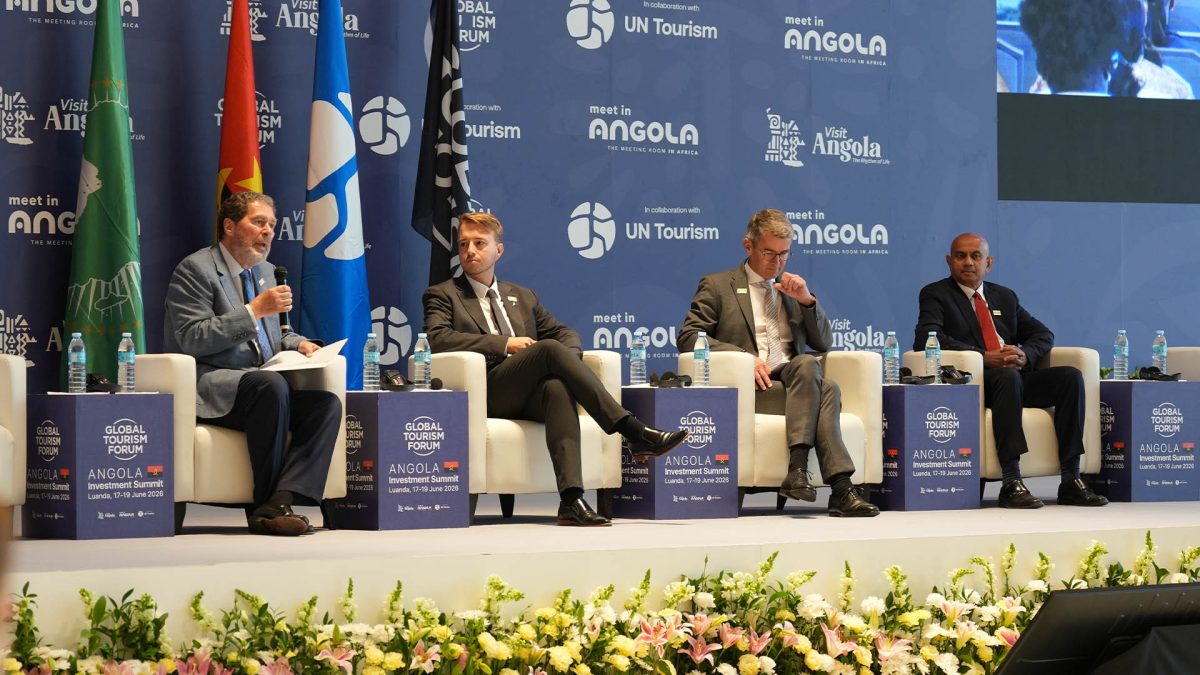
At a major industry summit in Luanda, global tourism leaders gathered to sketch out what success actually looks like. The consensus was striking and refreshingly unglamorous: forget the gleaming hotels. The real opportunity lies in strengthening local communities, training hospitality workers, protecting wildlife, and building transparent air links to the country. Recent gatherings in Luanda have positioned Angola as serious about attracting global investment, but the focus remains decidedly local.
Why Tourism Workers Matter More Than You Think
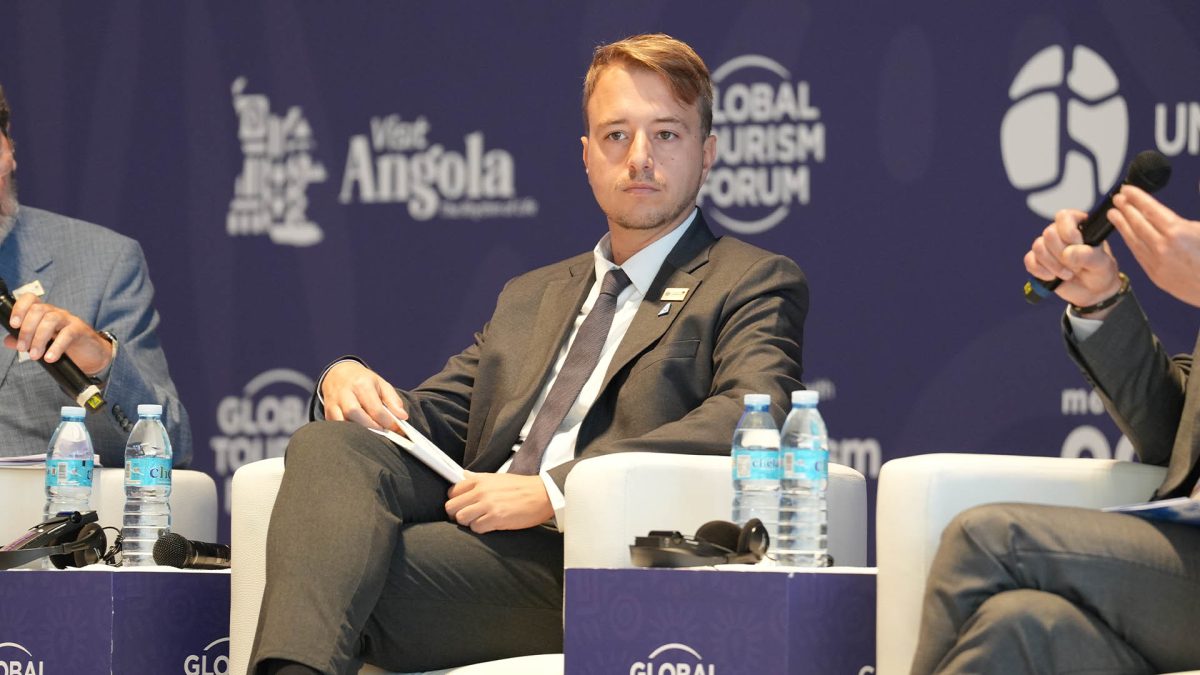
Vincent Snauwaert, who oversees destination development at hospitality giant TUI Group, made a striking argument: your airport experience, the taxi ride to your hotel, the restaurant server's knowledge of local history, the condition of the roads,these moments define whether you'll recommend a place to friends. Hotels are just one ingredient. The entire destination is the product, and that means every person you encounter shapes your perception.
Snauwaert pressed the point that Angola should showcase itself as it genuinely is, rather than manufacturing some polished alternative version. That sounds simple until you realize how many developing destinations have tried the opposite approach, often with disappointing results.
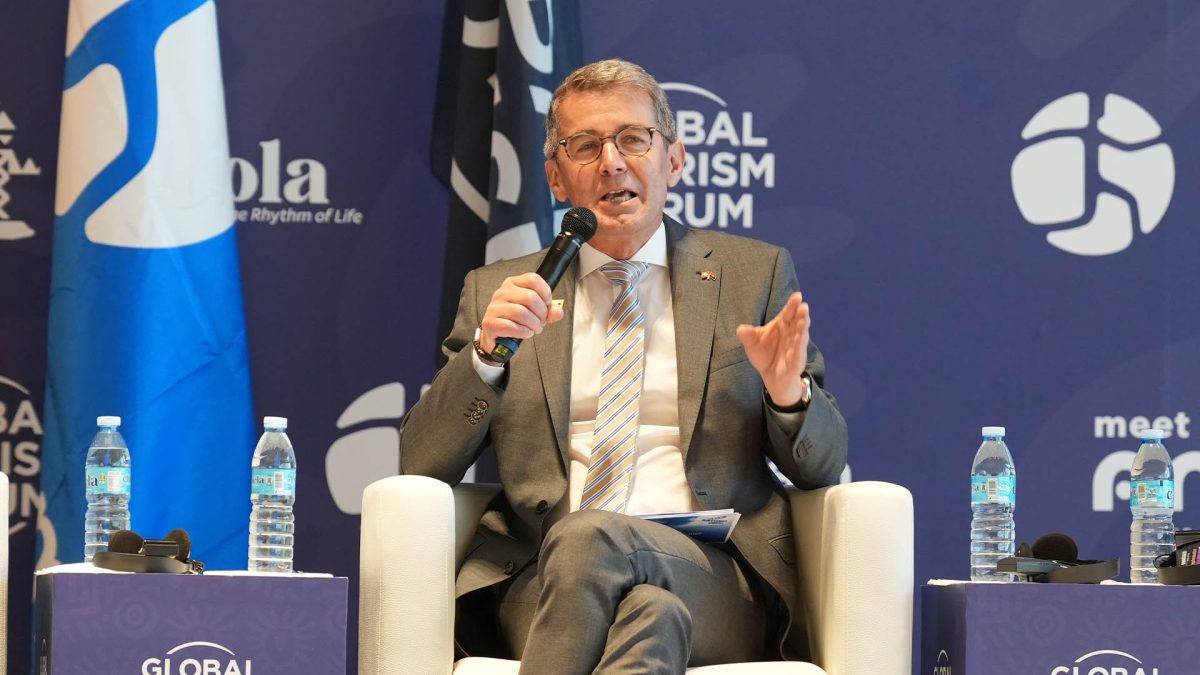
Scaling tourism requires something else: reliable flights and real competition among airlines. Without functioning air links and pricing pressure, visitors simply won't come. That requires ministerial buy-in across aviation, infrastructure, finance, and tourism sectors working in tandem. It's boring governance, but it's non-negotiable.
Learning From Mistakes Other Countries Made
Martin Barth, who directs international development at Swiss hospitality education institute SHL, brought a sobering observation: mature tourism destinations across the globe have stumbled badly. Overtourism has crushed Venice. Weak planning has overwhelmed Barcelona. Thailand's overcrowded beaches show what happens when growth outpaces infrastructure.
Angola has a rare opportunity to study these failures and avoid them. That means investing heavily in people first. Education matters, but only if it translates into actual jobs, professional service standards, and real national capacity. Both SHL and TUI have signed partnerships to build hospitality schools and training programs across the country.
Barth also flagged what tourists increasingly demand: digital connectivity that actually works, restaurants worth traveling for, safety, cleanliness, and a clear story about what Angola offers the world. Right now, the country hasn't settled on its positioning. Is it a nature destination? A cultural immersion? Premium adventure travel? Family-friendly? Corporate conference hub? That clarity matters because it determines which investors show up and whether ordinary Angolans feel the tourism industry works for them too.
Animal Welfare as a Competitive Edge
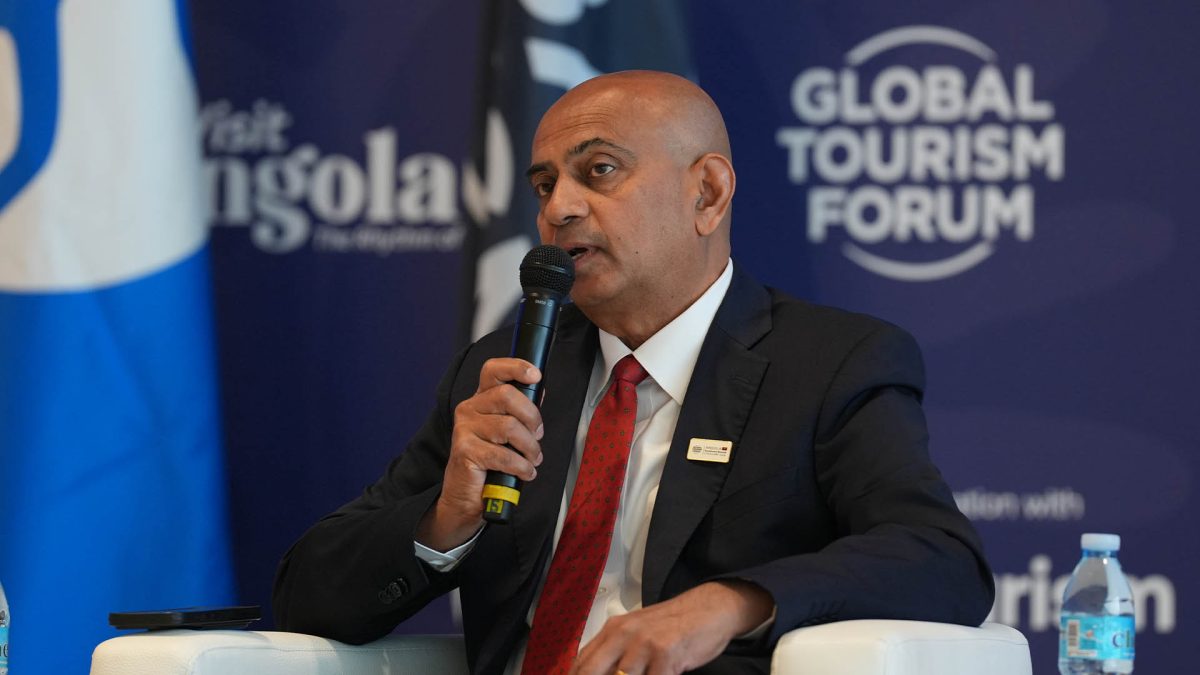
Kashyap Choksi, representing the Global Humane Society, introduced a growing market force that many African destinations overlook. Younger travelers increasingly care about animal welfare credentials when choosing where to go. Certification in this space, combined with legitimate wildlife conservation, could differentiate Angola from regional competitors. This isn't just ethics, it's business strategy.
The Numbers and What They Mean
Angola recorded 28% growth in international arrivals in 2025, making it one of Africa's strongest tourism performers. That momentum matters because it shows investor confidence is already building. The country has been aggressively pitching itself to the world's travel gatekeepers, and the message is landing.
But growth without strategy can become a problem, not a solution. The panel's overall thesis was clear: Angola can become a regional tourism leader if it builds from the ground up. Put people first. Protect nature. Create transport links. Train workers. Tell an honest story. Let tourists discover something real, not something manufactured for their cameras.
That's not the old playbook. It might actually work.