For travelers arriving in Brussels expecting to duck into a welcoming tourist office and get personalized guidance from a real human, there's some difficult news. On June 30, 2026, the Brussels tourism authority shut down its final brick-and-mortar information center, marking the end of an era that stretched back to the 1960s.
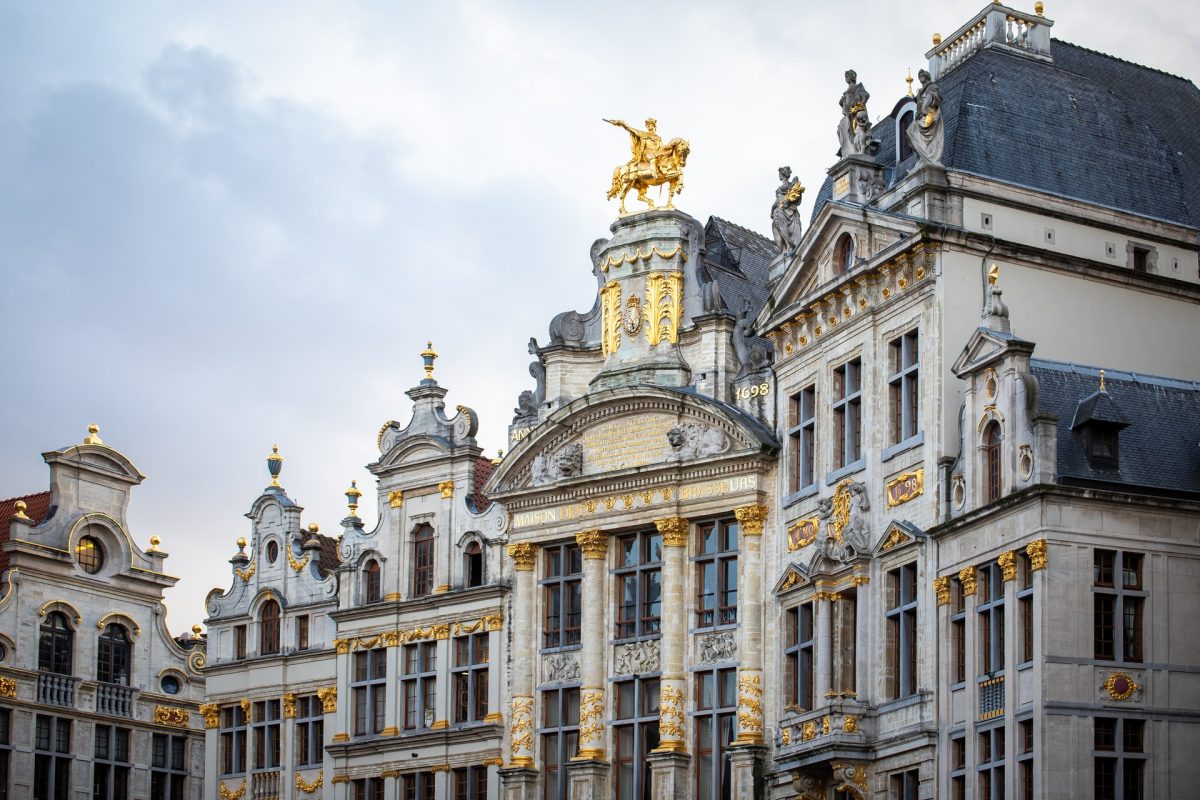
The Grand-Place office, which had served as a fixture on Brussels' most iconic square for decades, is now closed. The Brussels Info Place on Place Royale had already shut down in April. What once seemed like a permanent institution, a relic of the optimistic post-war 'Belgique Joyeuse' period that gave the world the Expo 1958 and the Atomium, simply ceased to exist.
Why this happened
Budget constraints imposed by the Brussels Capital Region government are the culprit. The regional tourism board, visit.brussels, faces a devastating 64% subsidy reduction over the coming years. In 2026 alone, the organization lost 3 million euros in funding. By 2029, that deficit will balloon to 6 million euros.
The financial squeeze forced more than just the closure of offices. Thirty-seven of the organization's 159 full-time staff members will lose their jobs through a voluntary departure program. Unions argue the cuts represent a political choice rather than an unavoidable economic reality, though government officials framed them as essential austerity measures.
Beyond Brussels' borders, the pain extends further. The city's international promotion offices have been gutted too, with at least 14 of 33 overseas branches closing. Trade centers in Milan, Barcelona, Geneva, and Shanghai are among those shuttered.
What travelers lose
Diana Ladrak, who worked at the Grand-Place office for roughly 30 years, captured the human cost in comments to Belgian media. "We used to help hundreds of visitors every day," she said. "During major events, we were helping as many as 2,000 people daily find their way around Brussels. But that's all over now." Martin Dekeyser, a trade unionist at visit.brussels, put it starkly: "This artisanal dimension of the tourist office will no longer be found here. Every tourist who arrives tomorrow will have to do without any information. Only Google or the search engines can help them."
The closure leaves Brussels without dedicated tourist information services at a time when the airport continues attracting record numbers of travelers. Visitors now face a choice: research everything online before arrival, ask hotel staff for directions and recommendations, or rely on their phones and internet searches once they hit the ground.
The bigger picture
Brussels is not alone in this transformation. Both the Flanders Information Centre and the Visit Wallonia office have also closed in the past year, suggesting a regional shift toward digital-only information services. Some might call this progress. Others see it as a missed opportunity to make first-time visitors feel welcomed.
For travelers heading to Belgium's capital, the lesson is clear: arrive prepared. Download offline maps, bookmark useful websites before you go, and don't expect to find a smiling staffer ready to hand you a brochure at the Grand-Place. The Brussels of walking into a tourist office and getting personalized guidance has become a memory. Travelers exploring the city now navigate its winding streets and medieval squares as self-guided explorers, for better or worse.