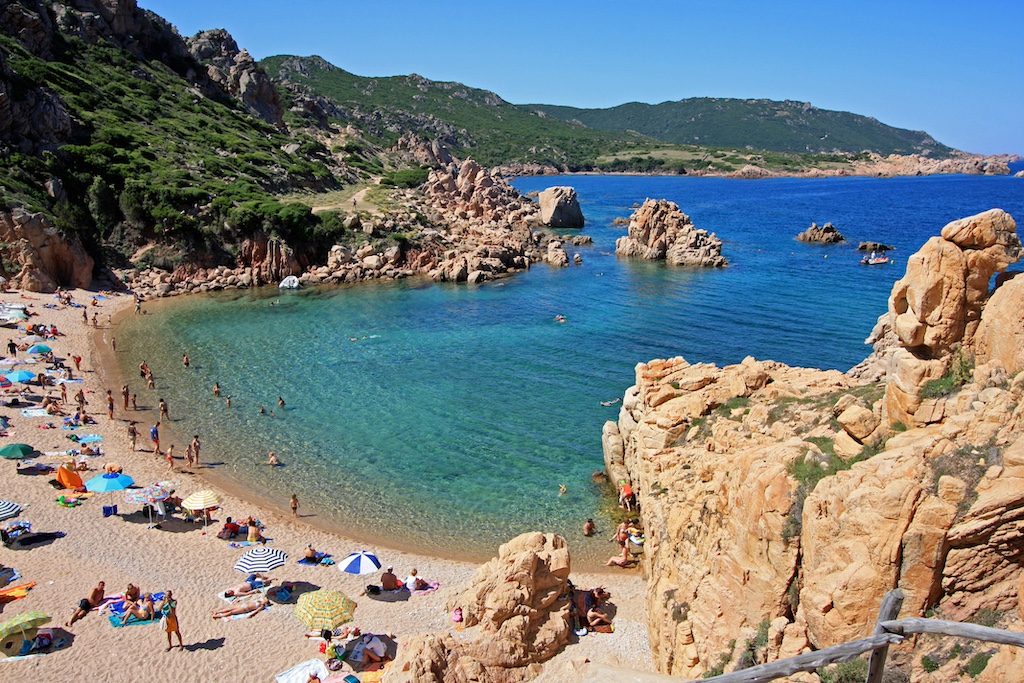
Punta Molentis, a jaw-dropping slice of southeastern Sardinia with turquoise waters and powder-soft sand, has become famous for one reason above all: it looks unreal on Instagram. That popularity, it turns out, comes with a cost. This summer, the Villasimius Council introduced restrictions so strict that they've reignited a national conversation about who actually gets to enjoy Italy's beaches.
The headline measure is blunt: visitors between 10 and 65 years old cannot bring their own umbrellas, gazebos, or tents. Only families with young children, people over 65, and authorized on-site installations are exempt. For most visitors, shade means renting from one of the beach's official providers, or simply going without.
The rules extend far beyond umbrellas. The beach operates on a ticketed system with sharp limits: 70 vehicles maximum per day (€10 per person, advance online purchase required), and dune access capped at 150 people. Boat arrivals face even tighter constraints. You get one hour onshore, cannot bring rucksacks or coolers, and only 100 boat visitors are allowed daily at €5 each. The whole operation runs between 8 a.m. and 9 p.m.
Why such drastic measures?
The answer lies in what happened last summer. Wildfires tore through the region, torching hundreds of hectares and destroying vehicles parked near the shore. While no one died, the damage was catastrophic. Combined with severe storms, those fires weakened the dune system that shields Punta Molentis from the sea. The fragile ecosystem is struggling to bounce back, and the council believes the only solution is to throttle visitor numbers and impact.
The council's logic is defensible. Punta Molentis sits inside a protected marine area. Its white sand and sapphire water attract thousands daily during summer months, and they've been pounding the dunes with foot traffic and shade structures for years. Without intervention, officials argue, the natural heritage that makes the beach worth visiting in the first place will vanish.
The backlash tells a bigger story
Social media users have lit up with sarcasm. One person joked about needing to "rent a child" just to put up an umbrella, while others wondered how enforcement would work in practice. The frustration runs deeper than one beach's new rules, though. Italy has a pattern of implementing restrictions to protect its natural attractions, but these moves often feel punitive to ordinary visitors who just want a day by the sea.
That's because beach culture in Italy isn't a luxury. For countless families, the summer pilgrimage to the coast, finding a spot, and settling in for the day is less a vacation and more a sacred ritual. Last year, proposals around private beach concessions sparked uproar over whether seaside holidays were becoming too expensive and exclusive for working families. Punta Molentis feels like the latest blow in that fight.
The Villasimius Council isn't alone in struggling with overtourism. Mediterranean beaches across Europe face similar pressures. Jesolo, the beach resort near Venice, recently reduced its sun lounger and parasol spaces by 20,000 in an attempt to give visitors breathing room. The problem is continent-wide: beautiful places attract crowds, crowds cause damage, and damage requires drastic remedies.
If you're planning a trip to Sardinia, Punta Molentis remains worth the effort, but go in with eyes open. Budget time to book online in advance, plan for limited shade options, and arrive early if you're driving. The beach is still spectacular, but it's no longer the carefree spot it once was. That's the trade-off of places too beautiful to ignore but too fragile to withstand mass tourism.


