The aviation industry just hit a wall, and it's a painful one. On April 21, 2026, Lufthansa announced it would be ruthlessly cutting 20,000 flights from its European schedule between May and October. That's not a minor trim. That's a wholesale restructuring of summer travel across the continent, and if you're planning a trip to Europe this year, you need to understand what's happening behind the scenes.
The story begins in the Middle East. When geopolitical tensions erupted in late February 2026, jet fuel prices didn't just rise. They doubled. Then the shortages started spreading globally. Airlines worldwide began bracing for impact, and Europe's jet fuel gamble against the Middle East supply crisis became the defining challenge of the spring travel season.
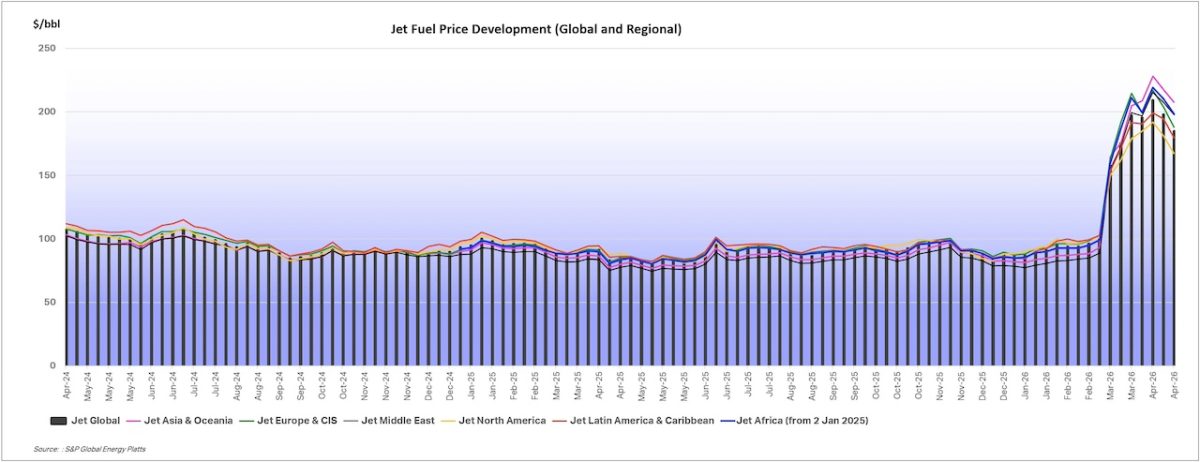
Six weeks of fuel left
In mid-April, Fatih Birol, Executive Director of the International Energy Agency, delivered a stark warning to the press: Europe had roughly six weeks of jet fuel reserves remaining. "It's a dire strait now," he said bluntly, "and it is going to have major implications for the global economy." He didn't mince words about airlines either, predicting that flight cancellations would soon become routine news. For once, a dire prediction came true almost instantly.
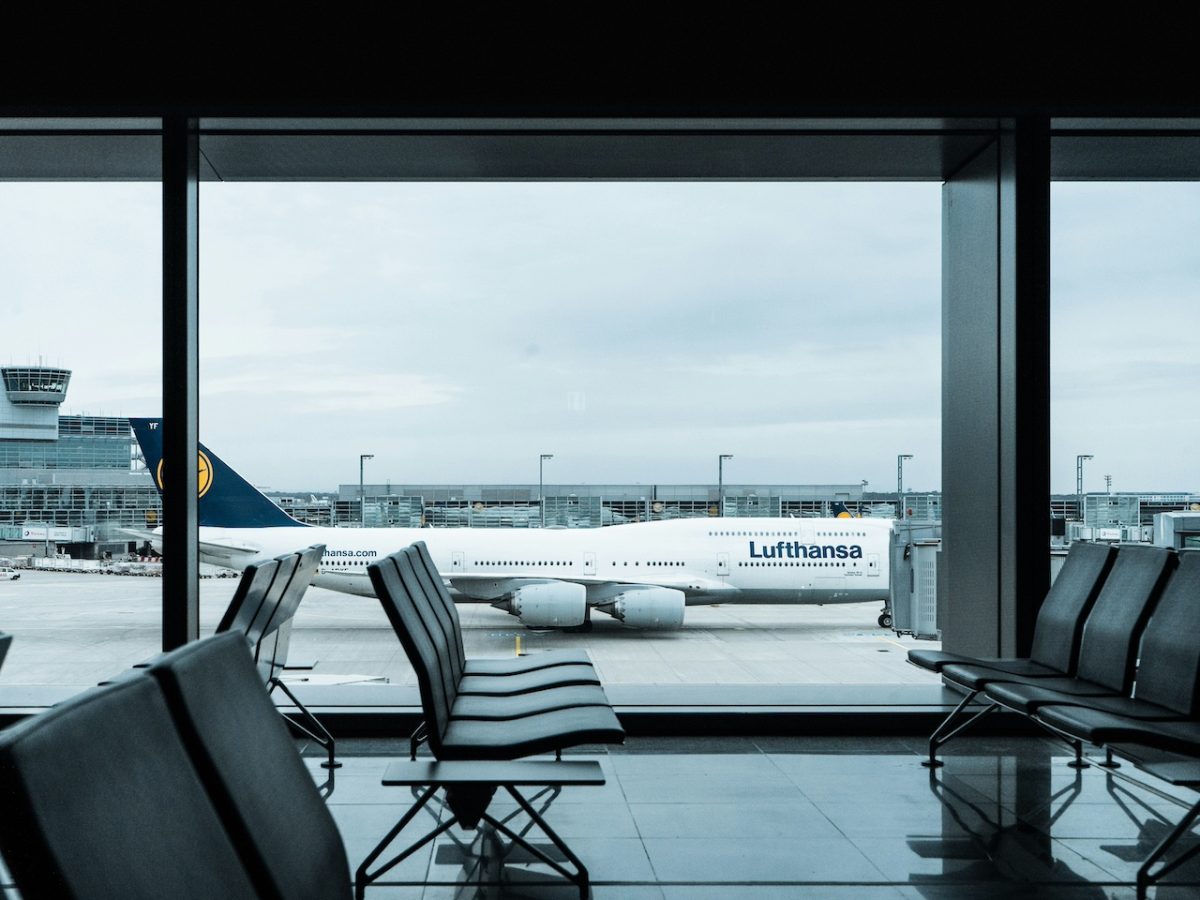
Lufthansa's response cuts right to the bone. The airline is eliminating all 20,000 short-haul flights across its six European hubs in Frankfurt, Munich, Zurich, Vienna, Brussels, and Rome. The consolidation will save approximately 40,000 metric tonnes of jet fuel over the May-through-October period. A spokesperson confirmed the strategy: passengers will keep access to long-haul connections and the global network, but the European short-haul experience is being dismantled in the name of efficiency.
The mechanics are brutal. Lufthansa's subsidiary CityLine is grounding 27 aircraft entirely. Starting April 20, the carrier was already cutting 120 daily flights, with the full cascade hitting in May. This isn't a gentle downsizing. It's triage.
What this means for your summer plans
If you booked a flight from Frankfurt to Berlin or Munich to Vienna, assume it's at risk. Short-haul routes within Europe are ground zero. The airline is banking on the fact that travelers booking long-haul flights (to Asia, North America, or beyond) have deeper pockets and won't flee as easily. And they're probably right. A weekend trip from Hamburg to Amsterdam might just vanish from the schedule.
Beyond Lufthansa, the sector-wide damage is accelerating. Spirit Airlines teeters on the edge as fuel crisis threatens bookings, and carriers globally are announcing their own cuts. Cathay Pacific is slashing flights this May and June, while Asia's Golden Week is under threat as fuel crisis grounds thousands of flights. The ripple is global, but Europe feels it hardest right now.
The Boeing 747 era is ending faster
Lufthansa is also accelerating the retirement of aging wide-body aircraft. Two Boeing 747s are being grounded for the winter season, with a complete farewell scheduled for 2027. Four Airbus A340-600s will be taken out of service in October. This isn't purely a fuel-crisis decision, but it compounds the capacity squeeze. The airline is essentially double-downsizing: cutting routes and retiring planes in the same breath.
What happens next depends partly on how quickly the geopolitical situation stabilizes and partly on how creatively airlines adapt. Lufthansa claims passengers will still reach their global destinations, just with more connections and fewer direct options. Whether that's enough to keep the summer travel season from collapsing entirely remains an open question.
The world changed on April 21, 2026. If you're flying this summer, especially within Europe, expect delays, cancellations, and scrambled itineraries. Book early, stay flexible, and don't assume anything is guaranteed. The aviation industry is in crisis mode, and passengers are feeling it first.