For decades, the unspoken truth about marathon flights is this: your legs suffer. Your circulation suffers. Your entire body rebels against being trapped in a box for 20 hours straight. Qantas finally heard the complaint and decided to do something radical about it.
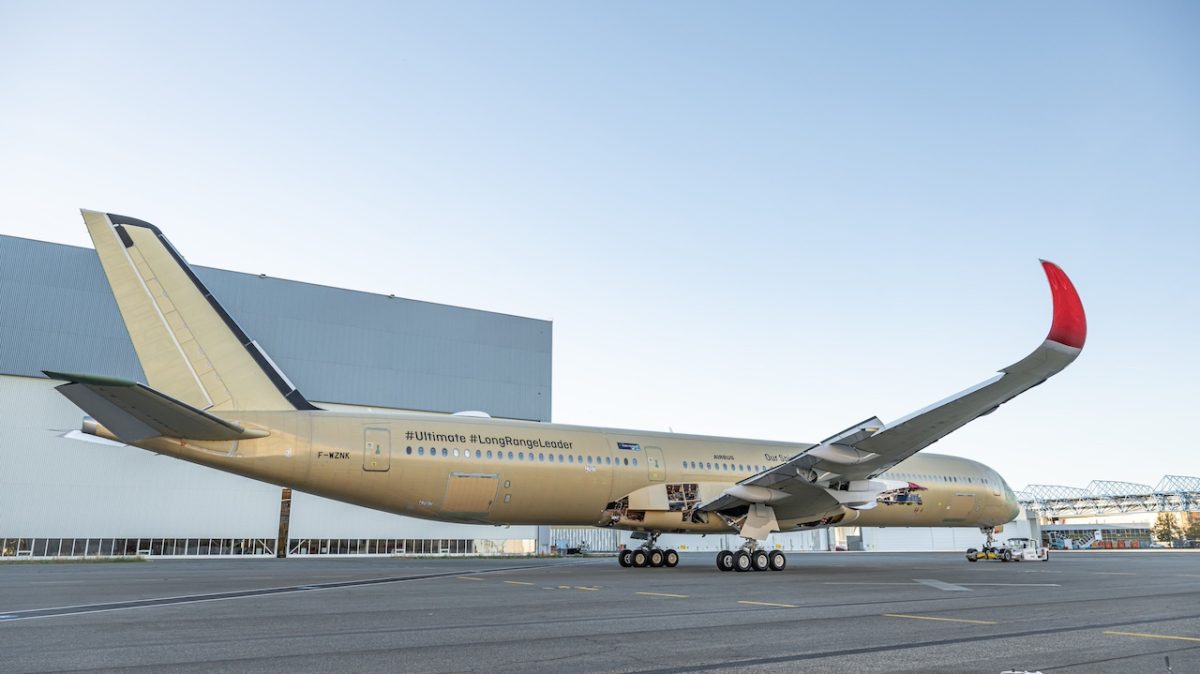
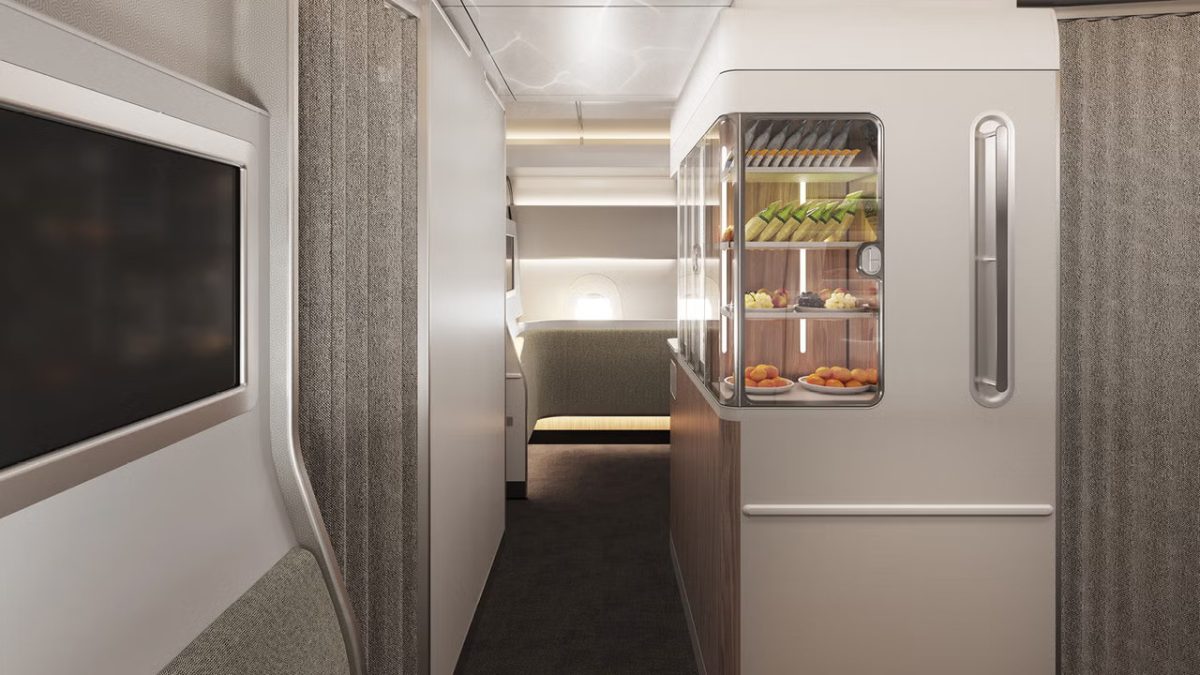
The airline is rolling out a dedicated Wellbeing Zone on its forthcoming Airbus A350-1000ULR fleet, starting in early 2027 on routes like Sydney to London and Sydney to New York. This isn't some gimmick. The space is purpose-built for movement, complete with guided exercise screens, sculpted handrails for stretching, and a self-service refreshment station. Most importantly, every passenger gets access regardless of ticket class, and there's no extra fee.
Where Movement Meets Cabin Design
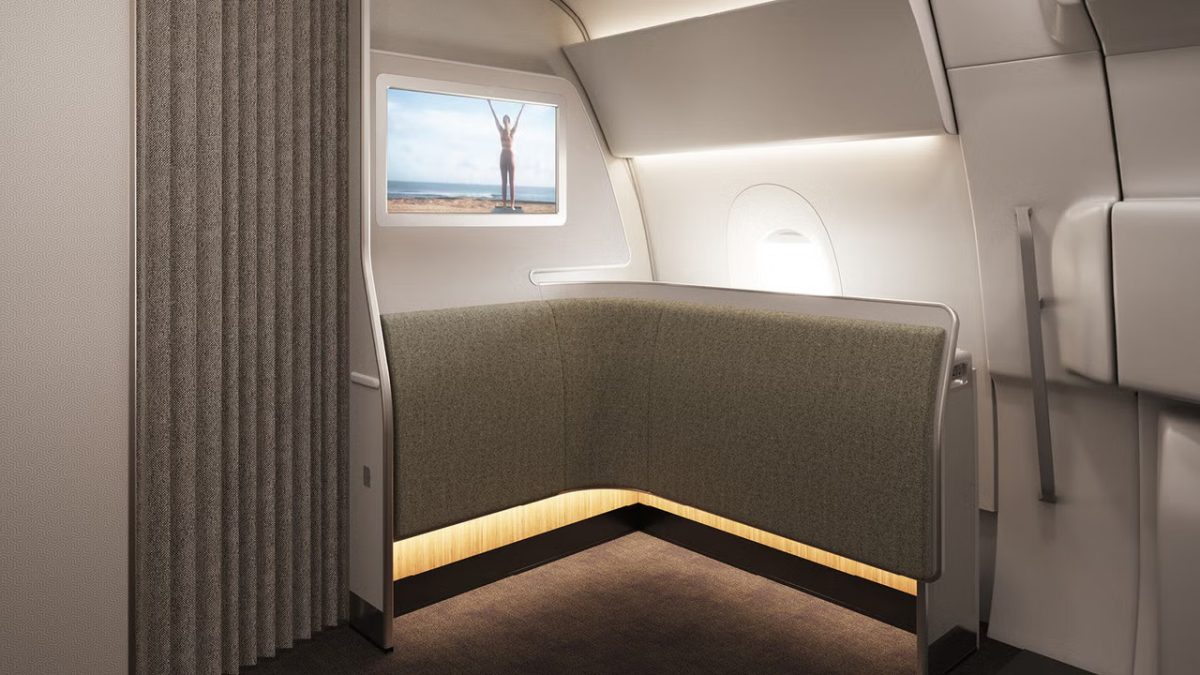
The Wellbeing Zone sits between Premium Economy and Economy, creating what Qantas calls a "third space" in the cabin. Think of it less as seating and more as an active area designed to feel separate from the rest of the plane. Soft lighting and acoustic materials give it a calm, relaxing atmosphere instead of the sterile cabin vibe you're used to.
Inside, the setup is practical. Large screens guide passengers through simple movement routines delivered by digital instructors. The handrails aren't just decorative, they're engineered to let you safely stretch your hamstrings, calves, and shoulders while the plane cruises at 35,000 feet. Add in snacks and hydration options, and the zone actually addresses what your body is begging for on a punishing journey.
The Science Behind Standing Up
This isn't Qantas making things up. The concept emerged from serious research with the University of Sydney's Charles Perkins Centre. Studies consistently show that regular movement during extended flights reduces jet lag and cuts the risk of dangerous conditions like deep vein thrombosis. In other words, getting up and moving isn't just nice to do, it's medically smart.
The A350-1000ULR itself is engineered for these marathon routes. The aircraft has been specially configured with fewer total passengers to create more breathing room throughout. Other airlines are experimenting with creative sleeping solutions for ultra-long-haul travel, but Qantas is taking a different approach by emphasizing movement and circulation over sleep.
What You'll Find in Other Cabins
The Wellbeing Zone isn't the only upgrade on these new planes. First class passengers get enclosed suites with separate sleeping and sitting areas plus extra storage. Business class includes lie-flat beds stretching nearly two meters, with sliding doors for privacy. Premium Economy receives larger reclines and better ergonomic support. Even Economy gets tweaks, with updated seat design and a bit more legroom than previous configurations.
It's clear Qantas is treating these aircraft like a complete reimagining of what a 20-plus-hour flight should feel like. Testing happens before 2026, with commercial service launching in 2027. That gives you about two years to mark your calendar for what might be the most thought-out long-haul travel experience currently in development.
Expect premium pricing on these new routes, but the combination of space, movement opportunities, and actual health science built into the experience represents a genuine shift in how airlines think about passenger wellbeing on marathon journeys.