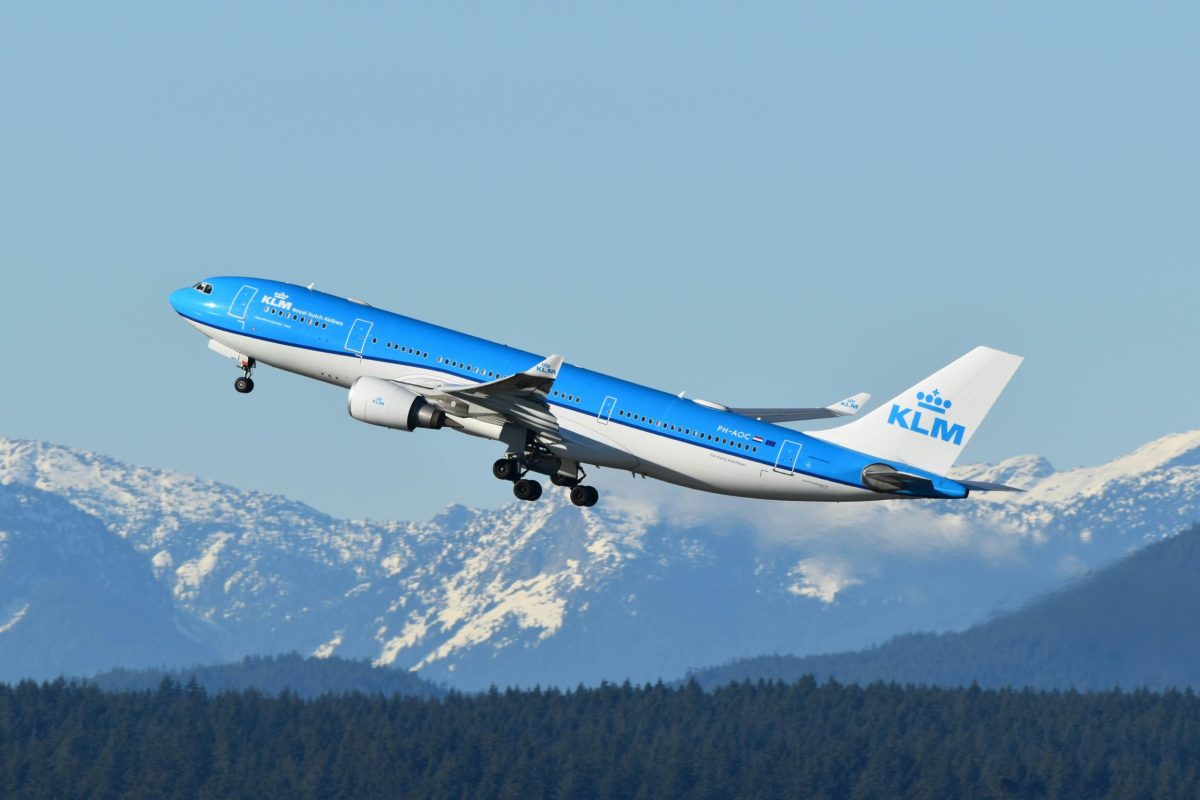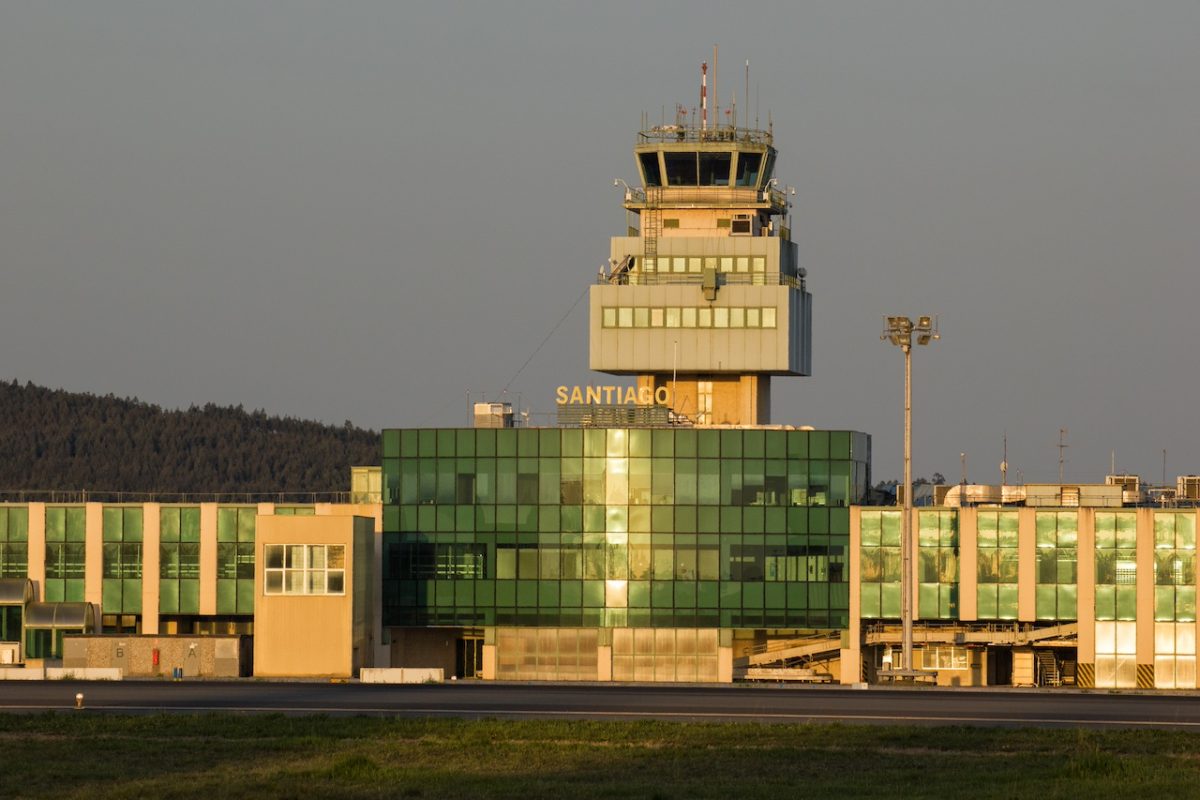
Picture this: you've booked your flight to walk the Camino de Santiago or explore Galicia's rugged coastline for summer 2026. Then you get the email. Santiago-Rosalía de Castro Airport, the second-busiest in Northern Spain, is closing its runways for five solid weeks starting April 23 through May 27, 2026. Every flight. Grounded. No exceptions.
The airport handled 3.1 million passengers in 2025 alone, with 30 flights per week just to UK destinations. Now add in the fact that 2026 is a total eclipse summer for the region, meaning Spain's already-booming tourism industry expects record-breaking arrivals. This shutdown will strand tens of thousands of travelers, and the airport isn't mincing words about it: "During this period, the airport will be closed to all air traffic, and no takeoffs or landings will take place."
The culprit is critical runway maintenance that simply can't wait. It's necessary work, but the timing feels brutal. Ryanair, Aer Lingus, Vueling, and dozens of other carriers will have their schedules obliterated. For budget travelers especially, this stings. Ryanair is already cutting 1.2 million seats across Spain's network in summer 2026, and Santiago sits at the center of those cuts. The Irish carrier is closing all Asturias flights outright and reducing Santiago operations to bare-bones service.
A Perfect Storm of Travel Chaos
Santiago's shutdown doesn't happen in isolation. Spain's airports are caught in a perfect storm. Air traffic controllers are staging strikes at hubs across the mainland, from Seville and Jerez de la Frontera to Madrid-Cuatro Vientos. The Sherry-route airports are under threat. Island gateways including Fuerteventura, Lanzarote, La Palma, and La Gomera face walkouts too. Union representatives cite dangerous working conditions and stress levels that they argue compromise flight safety. This isn't about minor inconveniences, like the artistic protests we've seen at other European hubs. This is workers saying the system is breaking down.
The alternative Galician airport, A Coruña, will also feel the strain as travelers desperately reroute flights through it. But A Coruña isn't equipped to absorb three million passengers' worth of overflow traffic. Regional connectivity to Northern Spain faces a genuine squeeze, one that could reshape summer travel patterns across the peninsula.
What This Means for Your 2026 Plans
If you're dreaming of the Camino de Santiago or the dramatic cliffs of Finisterre in summer 2026, don't panic yet, but do act now. Consider flying into Madrid or Barcelona instead and renting a car. The drive to Galicia takes time, but you'll have flexibility and won't be hostage to airport schedules. Train travel is another option, and Spain's rail network connects major cities to Santiago reasonably well. Book early and secure flexible tickets in case your flight gets moved.
Contact your airline directly about your booking. If your flight is canceled, you're entitled to rebooking on the next available flight or a full refund. Don't assume anything. Double-check your confirmation email, call the carrier, confirm twice. Travel insurance that covers airline disruptions becomes less of a luxury and more of a necessity for summer 2026 Spain trips.
This situation mirrors broader pressures hitting European airports lately. We've seen cascading disruptions ground flights across entire regions, and Europe's busiest airports are increasingly strained. The infrastructure simply can't keep pace with demand.
Plan B Is Your Best Friend
The silver lining: necessity sparks creativity. Use this disruption as an excuse to explore alternatives. Skip Santiago for Bilbao or Santander and base yourself in different Basque Country towns. Fly into A Coruña and hire a driver. Take a train from Madrid and make the journey part of your adventure instead of just transportation. Travel in June or September instead of peak July and August. These aren't compromises, they're often better experiences.
Keep tabs on your airline's website and check your email obsessively starting in January 2026. Spain's aviation sector is under pressure like never before, and this five-week closure is just the most visible symptom. The industry is signaling that something's got to give. Until it does, stay flexible, book strategically, and have a backup plan for your backup plan.