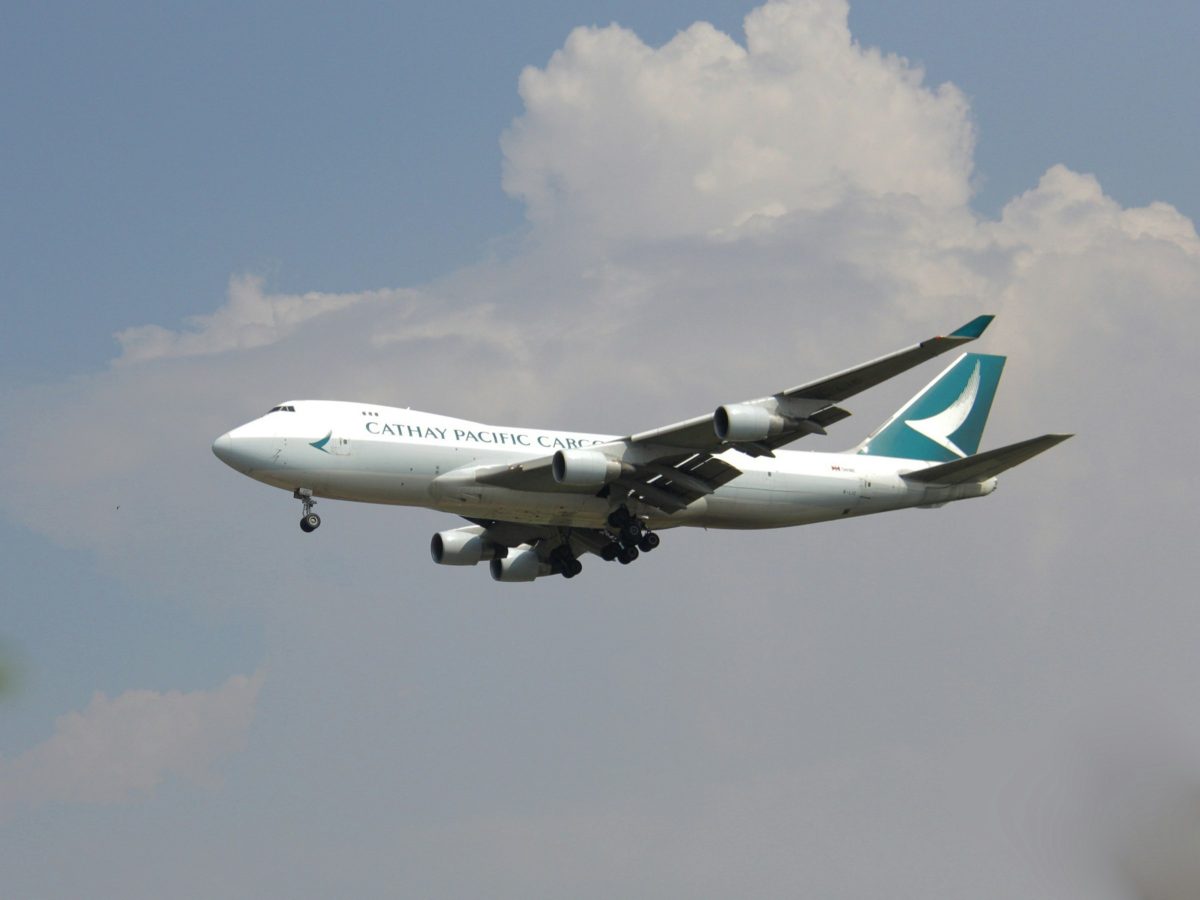
In early April 2026, Cathay Pacific dropped a quiet bombshell on its passengers. The Hong Kong carrier announced it would cancel 2% of its flights starting mid-May, while its budget arm HK Express would go further and cut 6% of its schedule. The culprit behind these cuts is brutally simple: jet fuel prices have become unsustainable.
The airline blame game starts in the Middle East. Regional tensions have sent fuel costs soaring, creating a squeeze that no carrier can ignore. For an airline burning through thousands of gallons per flight, these price spikes don't just dent margins, they threaten survival. Global fuel price volatility has been hammering carriers across every continent, and Cathay Pacific is just the latest to blink.
What Routes Are Getting Axed
Cathay Pacific's cuts will hit hardest on regional services within Asia, though the airline is also trimming a small number of flights to Australia, South Asia, and Southern Africa. The bigger headline: all flights between Hong Kong and Dubai, as well as Hong Kong and Riyadh, are suspended through June 30. Other major carriers are making similar Middle East cuts as regional tensions continue to reshape air travel.
For travelers caught in the crossfire, relief comes in the form of rebooking protection. Cathay Pacific is guaranteeing rebooking on flights within 24 hours of your original departure time. If you're headed to Dubai or Riyadh and your trip was booked through July 31, a new waiver policy lets you rebook, reroute, or claim a full refund without the usual change fees. That flexibility matters when your plans get derailed.
Why Jet Fuel Costs So Much Right Now
Here's where the economics get grim. While regular gasoline prices have climbed, jet fuel and distillate prices have risen even more steeply. Only a handful of oil tankers have managed to slip through the Strait of Hormuz during the current ceasefire window, and that trickle isn't enough to cool global markets. Energy analysts expect fuel prices to remain elevated for months, leaving the aviation industry in a holding pattern.
The problem cascades. Airlines can't easily stock up on fuel at current prices without destroying their balance sheets. Some carriers are already operating on razor-thin margins. This broader squeeze across the industry suggests more schedule cuts and higher fares are coming.
What This Means for Your Next Trip
If you're flying Cathay Pacific or HK Express between May 16 and June 30, check your booking immediately. The airline is actively notifying customers, but don't assume an automated message has landed in your inbox. Once June ends, both carriers say they'll resume normal schedules.
The real question haunting the industry is whether fuel costs will ever drop back to normal. Many routes that appear profitable at 2023 fuel prices become marginal or unprofitable at 2026 levels. That could mean some of these temporary cuts become permanent rearrangements of the global route map.
Travelers eyeing Asia-Pacific routes should book early and build in flexibility. Schedules are tightening, and fares tend to climb when seat supply drops. The golden era of cheap, predictable airline schedules is looking further away by the week.