For decades, getting to southern Greenland felt like planning a minor expedition. Cruise ships were the main option. Ferry boats took two days from the capital. If you flew, you landed somewhere else entirely and then helicopter-hopped your way down. The result? Thousands of visitors saw the region in hurried day trips before scrambling back to their ships.
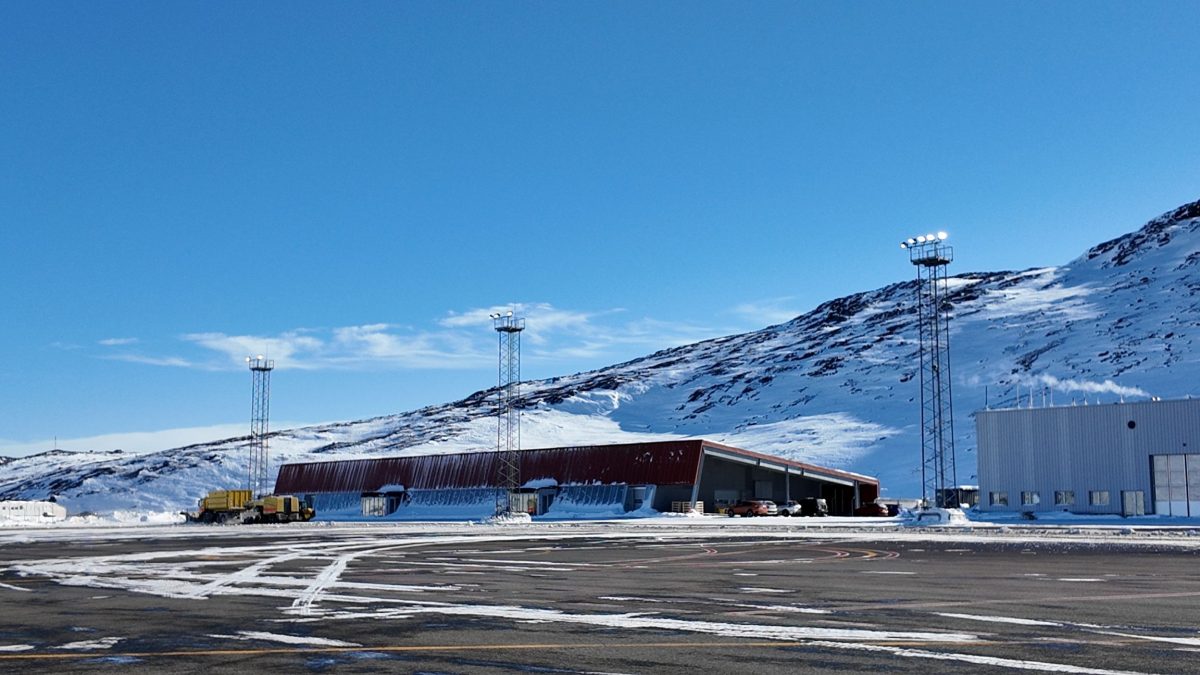
That friction just evaporated. Qaqortoq airport, which just opened its runways, is rewriting the playbook for how people access this corner of the Arctic. Instead of a logistical puzzle, getting there now takes a single 75-minute flight from Nuuk, Greenland's capital. Air Greenland will run two daily connections year-round, ramping up to 17 weekly flights during summer months. Starting in June 2026, Icelandair will also launch four weekly summer routes from Iceland's capital, Reykjavik.
The numbers tell the real story. Before this airport opened, roughly 30,000 visitors arrived in the region annually, yet only about 1,700 spent the night. The rest kayaked, whale-watched, hiked, and soaked in the nearby Uunartoq geothermal springs before catching the next boat out. That pattern is about to shift dramatically. Easy access means people will actually stay, spend money with local businesses, and experience the region on its own terms rather than a tour operator's schedule.
What Makes This Part of Greenland Worth the Trouble
Southern Greenland isn't famous because it's easy to visit. It's famous because it's spectacular. This is where Erik the Red, the Viking explorer, established his colony over a thousand years ago. The landscape feels raw and untamed, with towering fjords that locals call the "Patagonia of Greenland." The Tasermiut Fjord stretches inland with cliffs that seem to pierce the clouds and wildlife that rivals anywhere on Earth.
The region pulses with living culture shaped across generations. Hunting traditions persist. Dog sledding still happens in winter. Communities remain genuinely connected to the Arctic rather than serving as theme park versions of themselves. Tourism infrastructure has been limited precisely because getting there required serious commitment, which kept the place from becoming overrun.
Now that's changing, and everyone involved seems to understand the stakes. "We're taking an important step in developing South Greenland," said Jens Lauridsen, CEO of Greenland Airports. Visit Greenland's director Anne Nivika Grødem added that improved access means "encouraging travel with curiosity, while creating lasting value for local communities and more meaningful experiences for guests." The language matters. This isn't about cramming as many tourists through as possible. It's about attracting the right travelers and actually supporting the places they visit.
Part of a Bigger Infrastructure Push
The Qaqortoq airport doesn't exist in isolation. Greenland is undergoing a broader aviation upgrade. Nuuk Airport recently underwent major renovation work. Ilulissat Airport up north is expanding and should be complete by the end of 2026. The government is betting that better year-round air connections will smooth out tourism, help businesses survive winter months, and create more balanced economic development across the country.
This expansion also reflects a practical reality. Like many European gateways adapting to modern travel patterns, Greenland understands that airport infrastructure shapes where people go and how economies develop. Isolated communities depend on connectivity.
Miki Jensen, CEO of Innovation South Greenland, framed it as a turning point: "The airport connects South Greenland more closely to both the rest of the country via Nuuk and the world via Reykjavik. It creates new opportunities for tourism and business, while strengthening everyday life in the area."
The runway itself is built to handle Dash-8 Q200 and Q400 turboprop aircraft, which are perfect for the kind of regional flying that connects remote corners of the Arctic. This isn't a sprawling international hub. It's a precision instrument designed for a specific job: getting curious people to one of Earth's most beautiful and least crowded regions without requiring them to jump through five different transportation modes to get there.