Here's a problem that sounds counterintuitive: Sardinia has too many empty houses. About a third of the island's one million properties sit vacant, some villages are losing 50 to 60 percent of their population to abandonment, and yet the coastline keeps getting crammed with tourists. So the Sardinian government is trying something different. They've just announced a €38 million investment to flip the script and funnel visitors inland, starting with 15 villages that most people have never heard of.
The plan is part of a broader tourism strategy aimed at what officials call the "village tourism market," which is growing faster than traditional beach holidays across Europe. Franco Cuccureddu, Sardinia's regional tourism councillor, framed it plainly: "We want to fully enter and position ourselves in this market." That means spreading the wealth, literally and figuratively. Each of the 15 selected villages will receive €2.5 million in funding.
The villages getting the investment
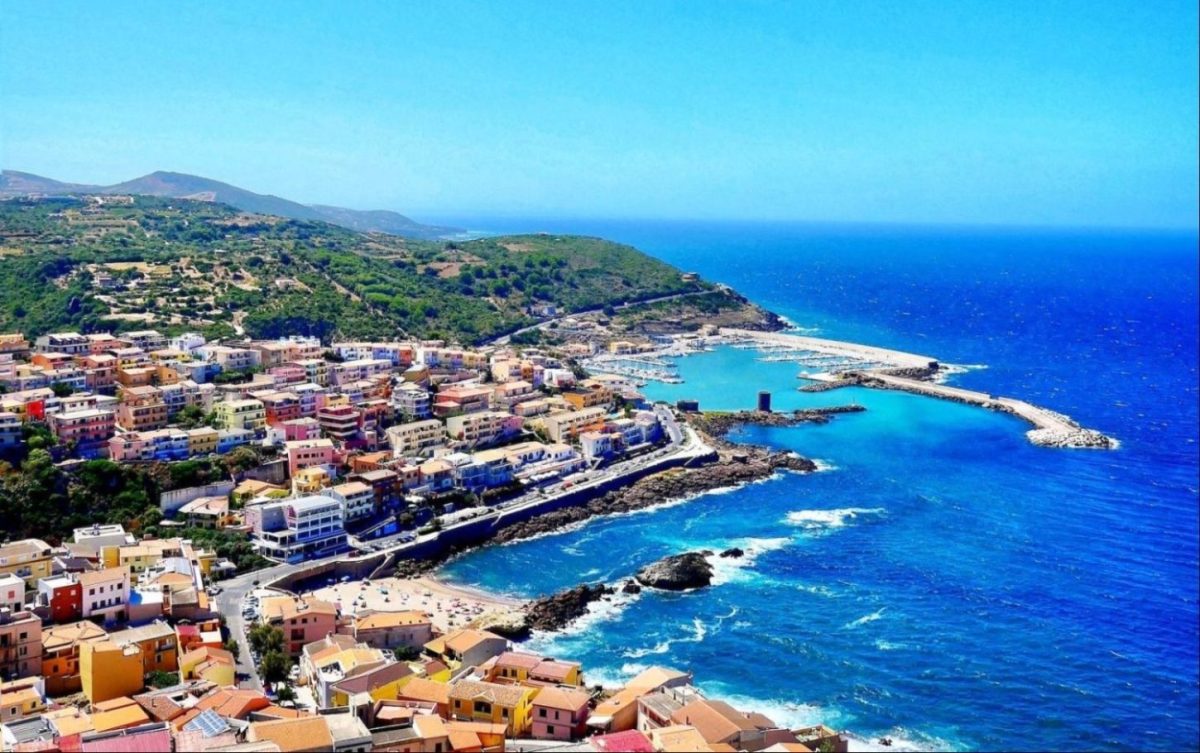
The selected communities span the island, from the medieval streets of Castelsardo on the coast to the high-altitude heartland. The full list includes Bosa, Aggius, Atzara, Carloforte, Galtellì, Gavoi, Laconi, La Maddalena, Lollove, Oliena, Posada, Sadali, Sardara, and Tempio Pausania. Some you may recognize. Others are the kind of places that barely appear in guidebooks, which is exactly the point.
The strategy rests on two main ideas. First, decentralization. Right now roughly 80 percent of all tourists compress themselves onto the coast, leaving the interior eerily quiet. The government wants to siphon visitors inland and balance things out. Second, they're pushing hard to extend the travel season beyond July and August, when the island becomes insufferably crowded and expensive.
What the money will actually do
The cash isn't going toward vague "development." The funding targets specific infrastructure: better pathways into historic town centers, upgraded roads and transit networks, support for small guesthouses and family-run hospitality, new hiking trails, and networks for walking routes. The plan also bets on food and wine tourism and local artisanal products, banking on the idea that travelers want something real, not another resort town.
This aligns with the broader shift in how people travel. Sardinia is recognizing that the future isn't about maximizing coastal density. It's about spreading experience across a region, deepening connections between communities and visitors, and creating actual work and reasons to stay put for people in those villages.
The geography of abandonment
The situation varies wildly across the island. Urban centers like Cagliari and Olbia have decent occupancy rates. But exclusive coastal enclaves like Arzachena and Palau are riddled with holiday homes that sit empty most of the year. Meanwhile, short-term rentals make up just 3.5 percent of Sardinia's housing stock, well below national averages. That suggests huge untapped potential if the infrastructure and services can catch up to demand.
The demographic picture is bleak without intervention. Young people leave for jobs in the cities. Properties decay. Restaurants close. Schools shrink. The economic spiral becomes self-reinforcing. A €38 million infusion won't solve decades of decline overnight, but the goal is to make staying or moving to these villages economically viable again, at least for some.
A word on preservation
As Sardinia opens its interior to travelers, there's a harder edge to the equation. The island's famous pink beaches are a case in point. Spiaggia Rosa, located within the La Maddalena Archipelago National Park, is so fragile that authorities have imposed fines up to €3,500 for entering protected zones. The beaches owe their color to coral fragments and delicate microorganisms. What makes them magical is also what makes them breakable.
This reflects a tension the government is clearly aware of: encouraging exploration while protecting what makes these places worth exploring in the first place. If the village tourism push works, Sardinia will need to manage new foot traffic carefully. Popular destinations elsewhere have learned that too much success can destroy the very thing that made them special.
For travelers, all of this means the next few years are probably your best window to experience a quieter, less packaged version of Sardinia's interior before the roads improve and the restaurants multiply. The villages are changing by design, which is better than the alternative of slow extinction, but the Sardinia of the near future will look different from the Sardinia of today.