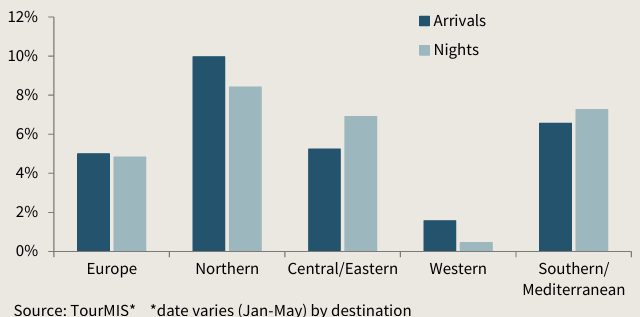
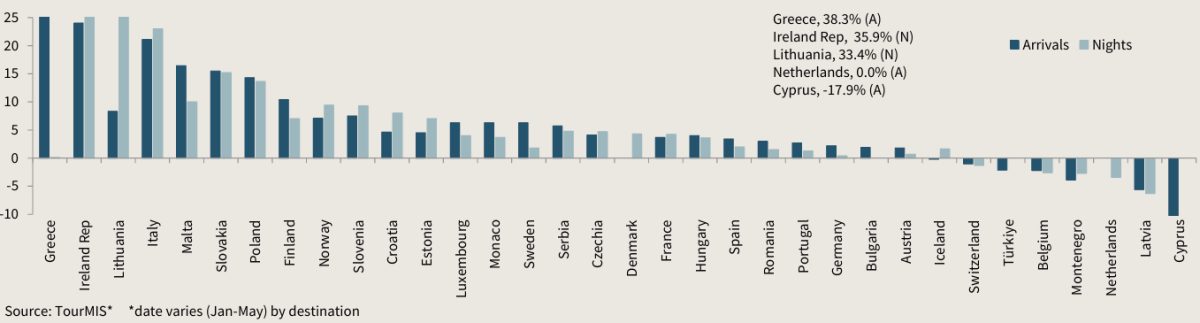
Here's what's surprising about Europe's tourism boom in 2026: it's happening despite everything falling apart. International arrivals climbed 5% year-to-date compared to 2025, with overnight stays rising 4.8%. This isn't a story about easy growth. Travelers are navigating geopolitical tensions, household budget squeezes, and economic uncertainty. Yet they're coming anyway.
What's changed is how they're traveling. People have become ruthless about where their money goes. They're comparing prices harder. They're prioritizing safety and proximity. They're ditching the crowded July beaches for quieter shoulder seasons. This isn't boom-time tourism where everyone just books and flies. This is strategic, calculated travel.
Greece and Italy lead the pack while others stumble
The growth story across Europe is remarkably broad. Nearly 80% of European destinations reported rising arrivals, with one in five notching double-digit increases. Greece dominated, welcoming 38% more international visitors than the year before. Italy followed at 21%, while Malta hit 16%, buoyed by better flight connections and successful efforts to spread tourists beyond the typical summer crush.
Northern Europe outperformed every other region, with arrivals jumping 10% and nights up 8.4%. Central and Eastern Europe chimed in with solid gains too, with arrivals up 5.2% and nights climbing 6.9%. These destinations offer something the traditional Mediterranean powerhouses are struggling to provide anymore: better value and fresher experiences. Italy's summer 2026 blitz crushed Europe's tourism rivals in raw numbers, yet visitors spent less per person than they did in Greece.
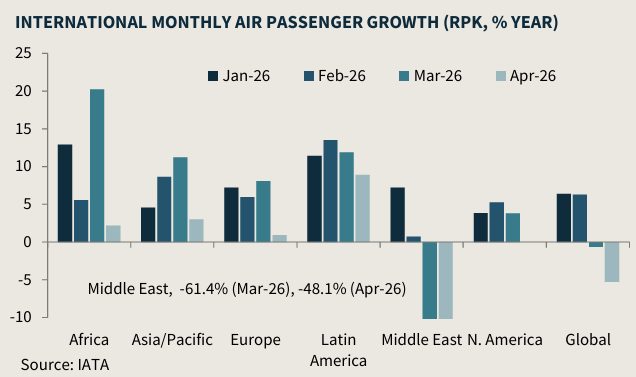
Not everywhere prospered. Cyprus tourism crashed as Middle East tensions scared visitors away, with arrivals falling 17.9%. Turkey saw a 2.1% decline as travelers avoided destinations perceived as geographically closer to regional conflict. When safety concerns spread, even strong brands falter.
The spending puzzle reveals deeper shifts
Here's where things get interesting. Visitors are spending more overall, but unevenly. Greece's tourism receipts jumped 64.3% alongside that 38% rise in arrivals, meaning each visitor spent significantly more. Italy tells the opposite story: arrivals up 21% but spending up only 4.3%, signaling that more people came but each person spent less. Budget-conscious travelers are increasingly choosing quantity over luxury.
This matters because it signals a fundamental realignment in European tourism. Destinations that can compete on price and accessibility are winning. Those betting on premium experiences are losing ground. Belgian train travelers are ditching planes for European rails, a trend mirrored across the continent as travelers seek flexibility and cheaper alternatives to flying.
Safety, affordability, and timing are now everything
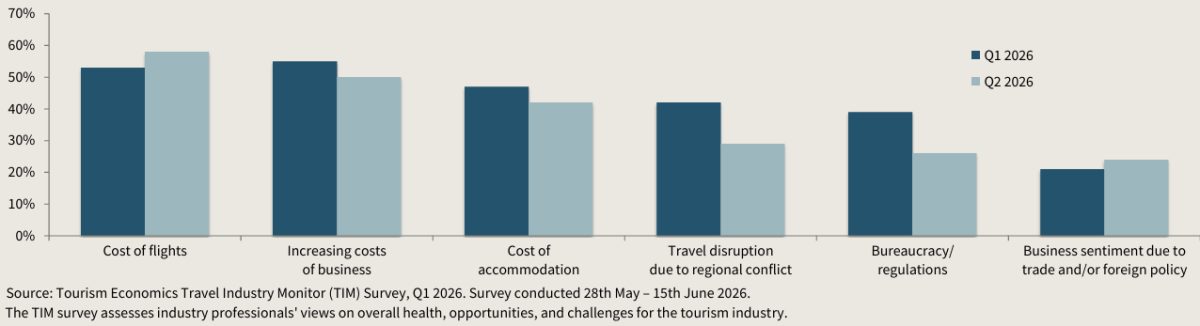
When asked what makes Europe competitive, 48% of travelers cited affordability and value in the second quarter, up sharply from 32% in the first quarter. That's not a subtle shift. Destinations offering competitive pricing, easy access, and flexible bookings will dominate the summer and autumn seasons ahead.
There's also a visible move toward proximity and shoulder seasons. Interest in Southern and Mediterranean Europe for June-November travel sits at 61%. Visitors are waking up earlier in spring and staying later into autumn, avoiding the brutal summer heat and the Instagram crowds. Europeans are packing bags like never before, and it's reshaping travel with these seasonal preferences driving real change in booking patterns.
A recent survey on intra-European travel sentiment found that 81% of Europeans plan to travel between June and November despite economic uncertainty and geopolitical headwinds. Travelers prioritize safety, affordability, and increasingly, climate considerations. Lesser-known destinations and off-season travel are gaining real traction.
The green talk that hasn't matched behavior yet
Environmental concerns are rising in search trends, reflecting growing interest in sustainable tourism. But here's the honest part: only 41% of travelers say environmental worries will actually change how they book. Awareness hasn't yet translated to widespread behavioral change. The gap between what travelers say matters and what actually influences their decisions remains wide.
Europe's tourism sector remains resilient not because things are easy, but because travelers still see travel as non-negotiable. They've just become smarter about it. They're comparing options, seeking value, timing their trips strategically, and choosing closer destinations. The old tourism playbook has been rewritten by budget-conscious, safety-aware travelers who refuse to cut corners on experiences but absolutely will cut costs on everything else.