Smart shopping just got smarter in Uzbekistan. Starting April 1, 2026, foreign travelers can now reclaim a significant chunk of the taxes they pay on purchases made during their stay, a move that signals the country's serious ambitions to climb the global tourism ladder.
Here's what you need to know: when you buy something worth at least 300,000 soms (roughly €21), you're eligible to get back 85% of the value-added tax you paid. That remaining 15% covers the operational costs of running the refund system. Whether you're paying with cash or plastic, the process works, though card refunds take about three working days after your goods leave the country.
The refund points sit right at the airports, making the process straightforward as you head home. No hunting through government offices or dealing with complex paperwork. Just present your receipt and proof of purchase, and you're on your way.
What Changed and Why It Matters
Until recently, Uzbekistan had restrictions on which items qualified for tax refunds. The government essentially said no to certain categories of goods, limiting what travelers could reclaim. That's gone now. As authorities put it in their official statement, the previously restricted list of eligible goods has been abolished, meaning far more of what you buy can qualify for refunds (everything except food, which remains excluded).
The timing isn't random. This policy follows a presidential decree from March 5 aimed at strengthening Uzbekistan's tourism footprint. The government has set some ambitious targets: they want tourism to make up 7% of GDP, attract 20 million visitors annually, and push tourism exports beyond $6 billion. With 11.7 million international arrivals in 2025 alone (a jump of nearly 47% from 2024), momentum is already building.
What Comes Next
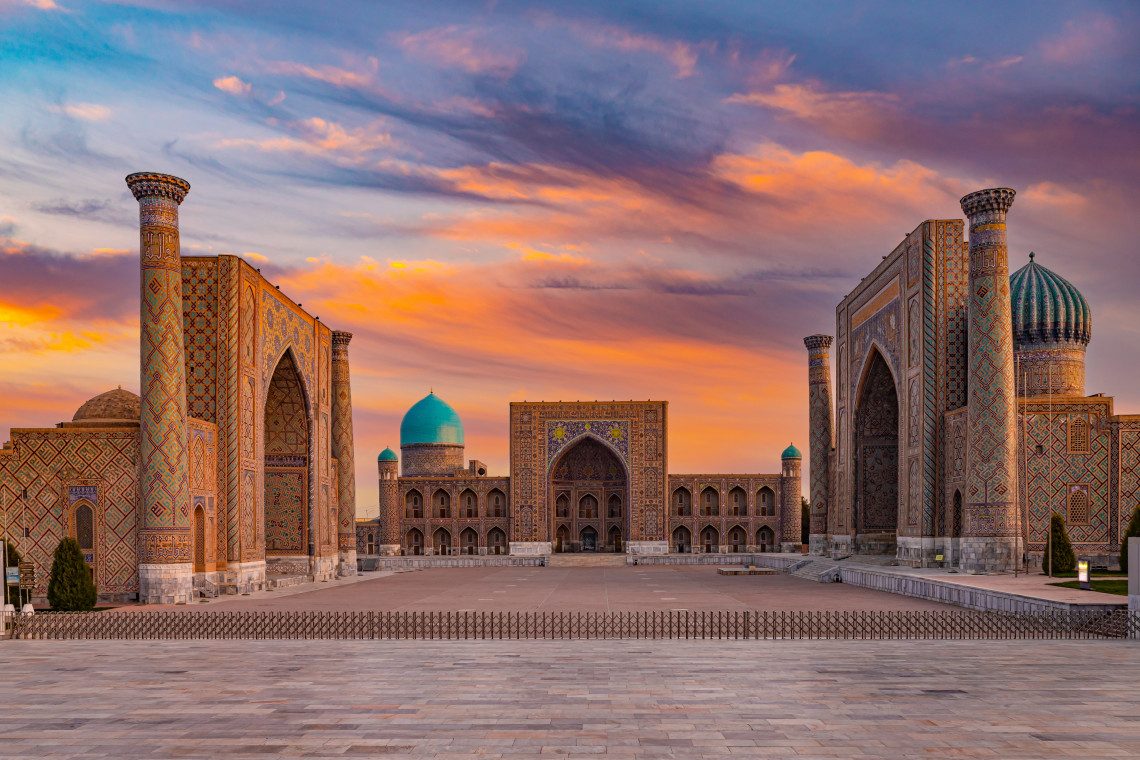
The airport-based system is just the starting point. Officials plan to roll out refunds at border checkpoints, train stations, and retail shops themselves in phases. Imagine walking into a bazaar in Samarkand or a boutique in Tashkent and processing your refund on the spot. That's the vision.
Even more promising: the government intends to digitize everything through websites and mobile apps. No more standing in queues with stacks of receipts. A few taps on your phone, some document uploads, and the money lands in your account within days. That shift alone could reshape how tourists think about shopping across the region.
The scheme also signals a shift in strategy for Central Asia's tourism sector. Uzbekistan is quietly becoming Europe's next obsession, and moves like this tax refund system show the country isn't just content with attracting visitors, it wants to give them financial reasons to spend freely while they're here. Compare that approach to other destinations managing visitor pressure, and you see a clear philosophy at work.
Who's Already Coming
Regional neighbors are leading the charge. Kyrgyzstan sent 3.3 million visitors last year, while both Tajikistan and Kazakhstan contributed 2.7 million each. But the tax refund system could shift that calculus, potentially drawing more visitors from further afield who've been hesitant because of perceived costs.
For travelers planning a Silk Road journey or exploring the country's remarkable architecture and desert landscapes, this means real savings. That carpet you've been eyeing, those traditional textiles, those crafted goods you find in Bukhara or Khiva, those purchases just became more affordable.
The momentum in Uzbekistan's tourism sector is genuine. With record visitor numbers, expanding infrastructure, and now financial incentives to spend, the country is positioning itself as a serious player in global tourism. If you've been thinking about exploring Central Asia, the math just got better.