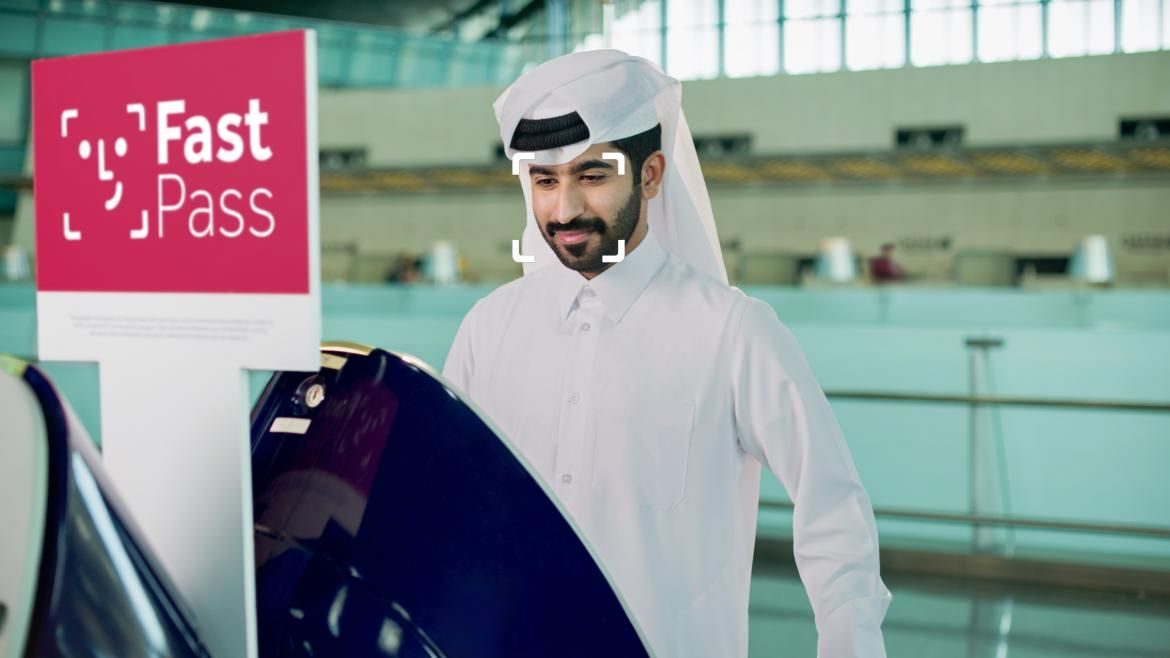
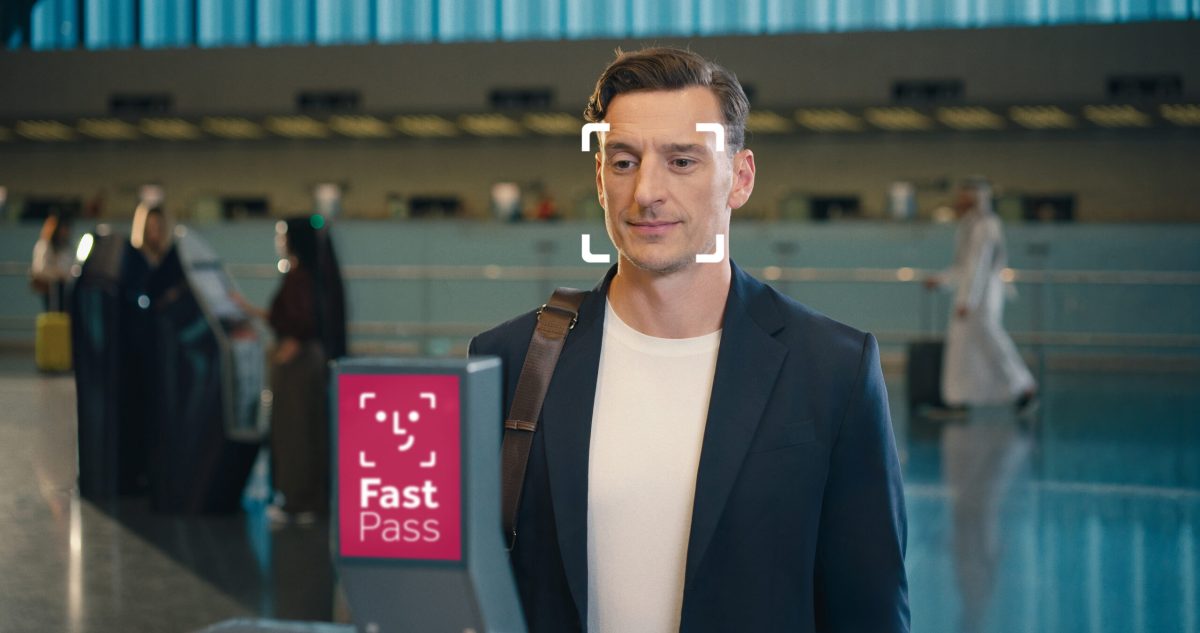
Imagine stepping into the airport and never needing to pull out your boarding pass again. That's the promise of Fast Pass, Qatar Airways' new biometric system that just launched at Hamad International Airport. The technology lets eligible passengers navigate check-in, bag drop, security screening, lounge access, and boarding gates using only facial recognition. No documents. No fumbling. Just your face doing all the talking.
How This Actually Works in Practice
The process is remarkably straightforward. First, you enroll through the Qatar Airways app or at kiosks near Row 3 in the terminal. You'll need your passport and a selfie taken against a plain background. That's it. The system creates a secure digital identity by linking your face with your passport and boarding information.
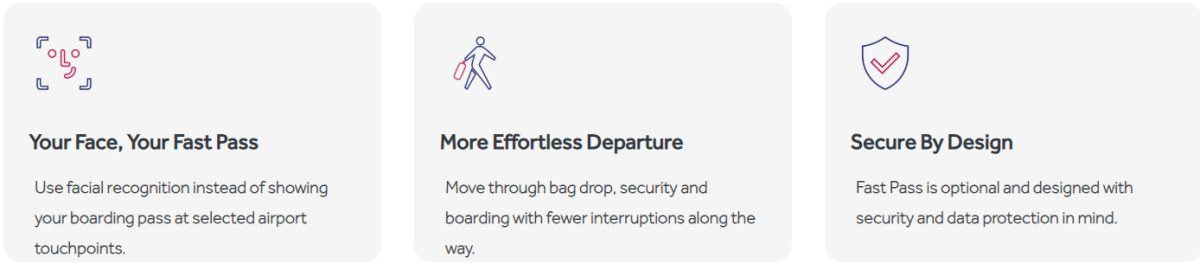
Once you're registered, you simply look at biometric cameras positioned at bag drop counters, security checkpoints, and gates. Think of it like unlocking your phone with your face, except you're moving through an entire airport. The enrollment happens once, and your biometric profile stays ready for future eligible flights from Doha.
The infrastructure backing this is massive. Qatar Airways, airport authorities, and tech partner SITA have connected roughly 700 biometric touchpoints across Hamad International Airport. It ranks among the largest facial recognition deployments of its kind in the Middle East and globally.
What About Your Privacy and Data
The privacy model depends on how you register. If you enroll through airport kiosks, your biometric data lives only on the airport's system for the duration of your trip, then gets automatically deleted 24 hours after you leave. Those who sign up via the airline's mobile app keep their biometric profile stored securely on their own device. Journey-specific data gets shared with the airport only when you activate Fast Pass for a particular flight, and you can delete everything whenever you want through the app.
Qatar Airways insists you remain in control of your information. However, keep your passport handy anyway. If the facial recognition system stumbles or immigration needs an extra check, you'll still need that document.
Who Can Use It Right Now
Fast Pass is currently available only on eligible Qatar Airways flights departing from Doha. You'll get notified during check-in whether your flight qualifies. Participants must be at least 18, hold a valid passport, and start their journey at Hamad International Airport. The good news: participation is entirely voluntary. If biometric verification makes you uneasy, traditional document checks remain available.
The airport has already signaled plans to expand the system to other airlines operating from Doha in the coming months.
This Trend Is Accelerating Across Global Aviation
Qatar Airways didn't invent facial recognition at airports. Emirates already operates facial recognition services at Dubai International Airport, while Japan's Haneda and Narita airports use their own "Face Express" systems. In the United States, the Transportation Security Administration has expanded its TSA PreCheck Touchless ID program to dozens of airports, allowing eligible travelers to pass through dedicated security lanes using facial comparison technology instead of physical IDs.
The numbers suggest travelers are warming to this technology. According to the 2025 IATA Global Passenger Survey, 50 percent of travelers have already used biometrics somewhere in an airport journey, and 85 percent of those users reported high satisfaction levels. Even more telling: 74 percent of passengers said they'd willingly share biometric data if it meant skipping the need to present passports or boarding passes at check-in, security, border control, and boarding.
As Qatar Airways continues expanding its routes and services, facial recognition is shifting from experimental novelty to expected airport amenity. Airports worldwide are investing heavily in digital identity tech, and facial recognition is increasingly becoming as standard as the security line itself.