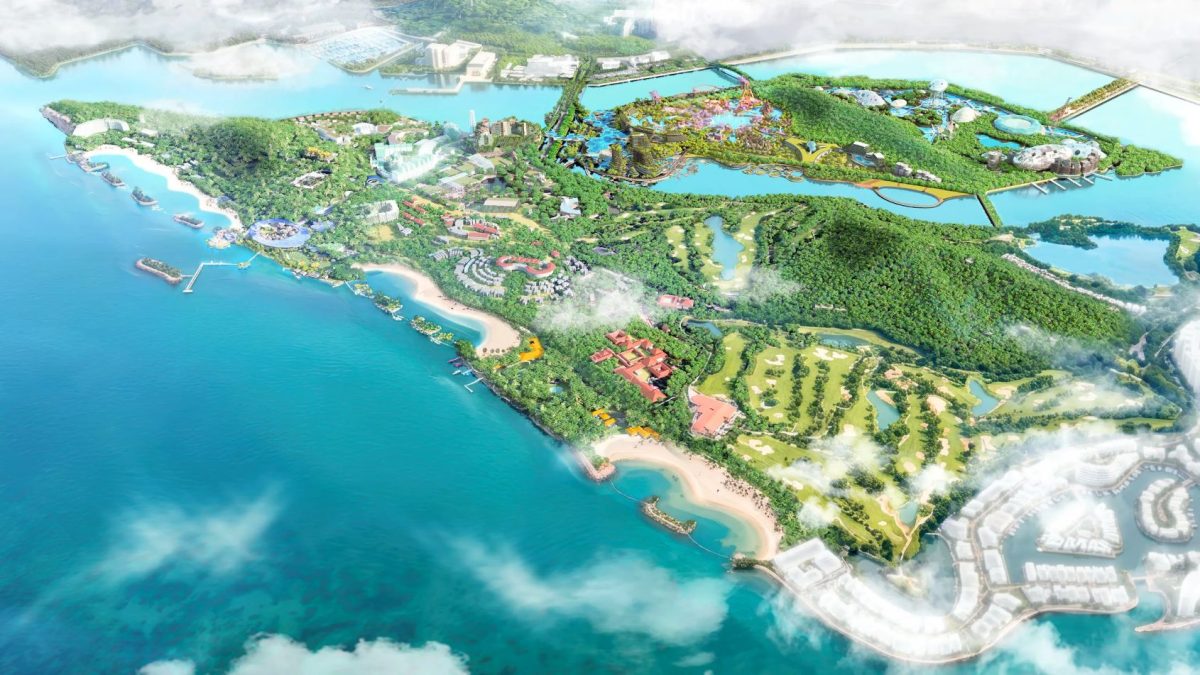
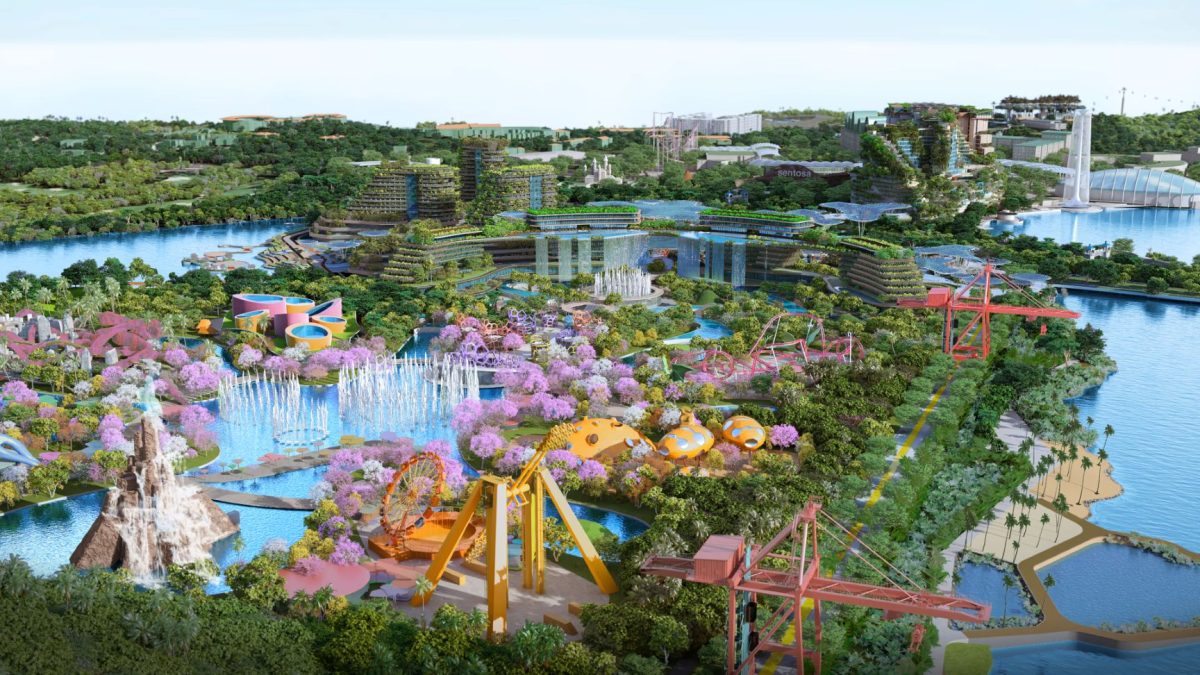
Singapore has big plans for Sentosa. Really big. The city-state just revealed its Greater Sentosa Master Plan, a sweeping vision to reshape the iconic island resort destination over the next two decades. This isn't a simple refresh of what already exists. This is a complete reimagining that will bring new attractions, expanded green spaces, upgraded beaches, and dramatically improved ways to get around.
The redevelopment will touch not just Sentosa itself but also Pulau Brani, a 120-hectare island next door currently occupied mostly by port facilities. Once cargo operations shift to a new facility at Tuas, this neighboring island transforms into what Singapore's tourism authorities are calling the region's next-generation leisure destination. One particularly intriguing section, Brani West, has been reserved for what officials describe as "game-changing attractions," though specifics remain under wraps for now.
When it's actually opening
Don't expect everything overnight. The first phase opens in the early 2030s, with new projects rolling out through the 2040s. Timing matters though: this development aligns perfectly with the opening of Changi Airport's Terminal 5, which will dramatically increase passenger capacity. For context on Singapore's aviation momentum, New Zealand and Singapore just opened the skies between them, further boosting travel to the region. The masterplan also supports Singapore's broader Tourism 2040 strategy, which aims to position the city as a global travel hub.
The attractions worth watching for
Resorts World Sentosa, already massive, continues expanding. A new Waterfront Lifestyle Development and Super Nintendo World are both slated for 2030. That's going to be worth the trip for theme park enthusiasts alone.
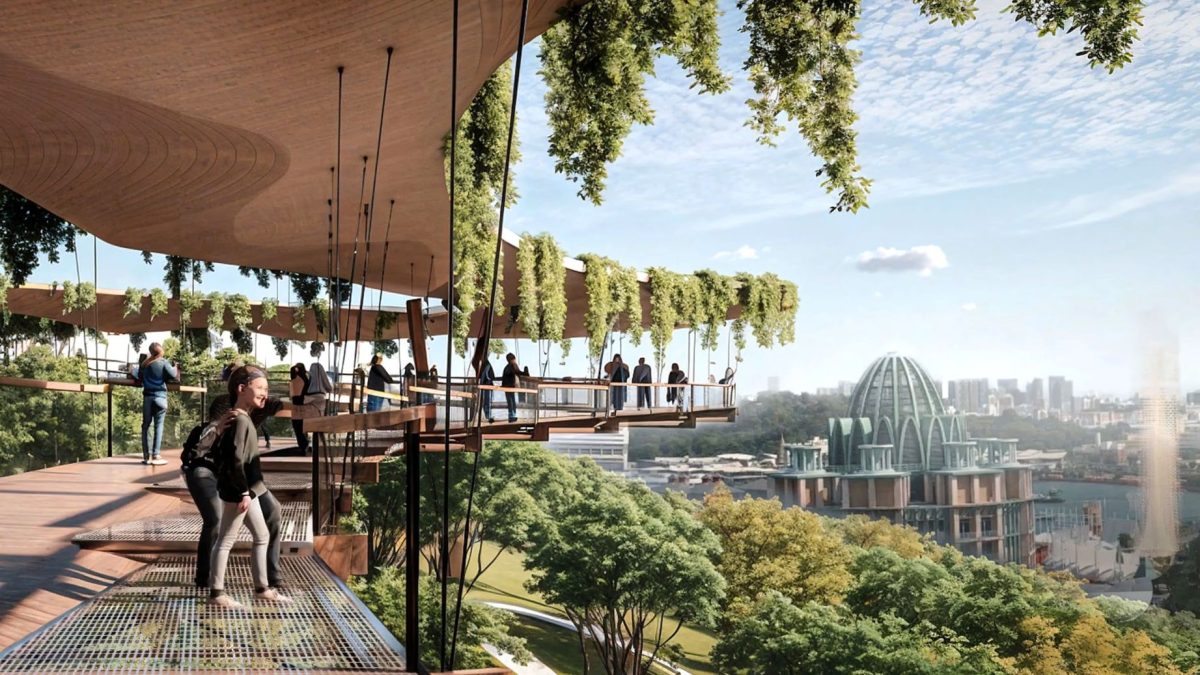
Beyond that, visitors will encounter several fresh experiences. Sensorium, launching along Siloso Beach, combines indoor attractions with green public spaces and a flexible venue for festivals, concerts, and events. Higher up the island, Imbiah Canopy will become a hilltop destination with restaurants, shops, and sheltered event spaces overlooking the water. The Imbiah Lookout Walk, one of the first projects to open, offers a sheltered elevated forest trail connecting existing attractions to a wider network of walking paths.
The beaches themselves are getting major attention. Siloso Beach will be rejuvenated first, followed by Palawan and Tanjong. New beach clubs, treetop dining spots, and multi-purpose event spaces will stretch activities from sunrise into the evening. Offshore, six existing islets will eventually connect via floating boardwalks, creating an island-hopping experience while also providing coastal protection against rising sea levels.
Nature is not an afterthought
This is where the masterplan gets genuinely interesting. Rather than treating nature as decoration, the development philosophy puts equal weight on both energy and restoration. SDC intends to connect the forests of Sentosa, Pulau Brani, and Serapong into one continuous green corridor that eventually links to Singapore's Southern Ridges on the mainland. New hotels will be designed with serious greenery integration to blend into the landscape rather than dominate it.
That philosophy reflects something Minister Grace Fu said during the announcement: "We are reimagining what Sentosa can become for decades ahead, an island transformed, connected and sustained." The goal is to redefine Greater Sentosa as Singapore's island playground, bolder and more exciting than before, without sacrificing the character that made it special in the first place.
Getting there and around
A new Island Heart transport hub will serve as the main arrival gateway, connecting mainland Singapore to both Sentosa and Pulau Brani. This waterfront hub will feature a solar-powered canopy, hotels, restaurants, and public spaces. The current 2.1-kilometer Sentosa Express monorail gets replaced by a new People Mover System with greater capacity. The Singapore Cable Car continues operating, and SDC is exploring additional options like water taxis to enhance connectivity.
The numbers tell you this matters. Between April 2024 and March 2025, Sentosa welcomed 16.9 million visitors. The long-term goal is to double that. That kind of growth requires serious infrastructure, which is exactly what this masterplan delivers.
SDC chief executive Thien Kwee Eng summed up the balancing act: "We want to create the next generation of world-class experiences inspired by our beautiful coastlines, our greenery, our heritage, our sense of escape, as well as the Singapore identity. At the same time, we want to grow Sentosa thoughtfully, and protect the island's soul, while making it easier to explore, to access and to enjoy."
Greater Sentosa won't be completely unrecognizable when these changes finish rolling out. But it will be significantly more interesting, more connected, and more committed to proving that a major tourism destination doesn't have to choose between excitement and sustainability.