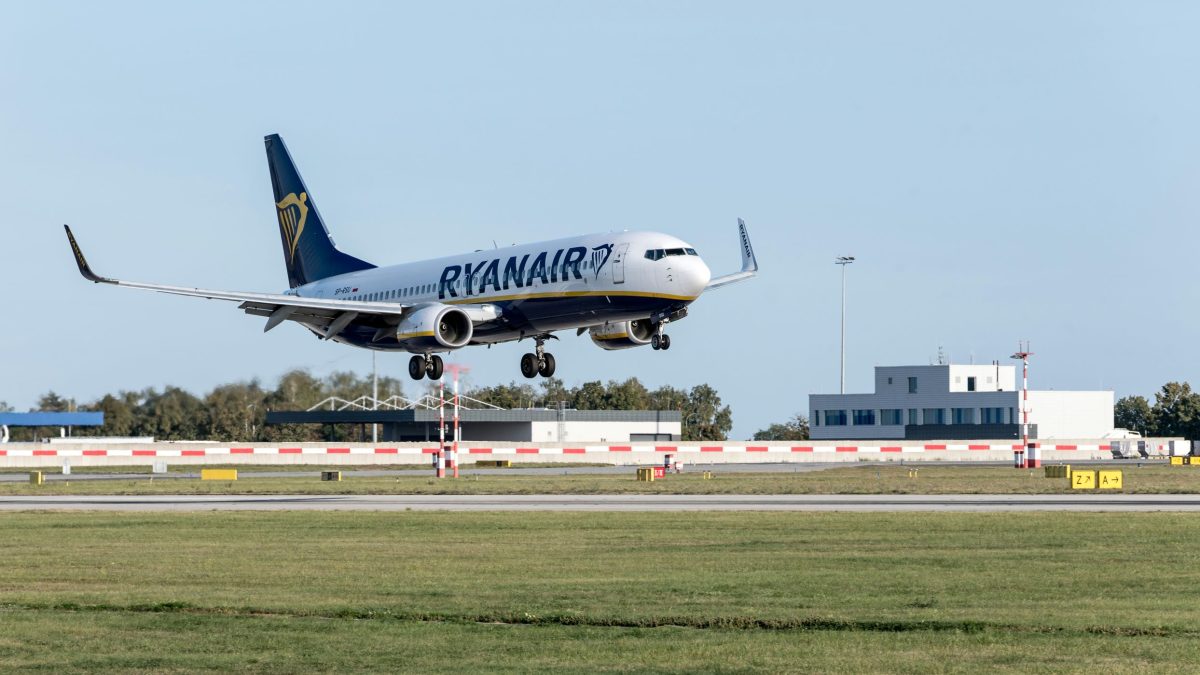
On a Friday morning in July, Ryanair flight FR1879 departed Thessaloniki bound for Memmingen near Munich with passengers expecting a routine hop across Europe. What they got instead was a brush with aviation's darkest scenarios. Shortly after reaching 16,000 feet, an event unfolded that would test both the aircraft's safety systems and the courage of fellow travelers.
A cabin window suddenly dislodged inflight. The explosive decompression that followed sent oxygen masks cascading from overhead compartments as the aircraft lost cabin pressure in seconds. Passengers describe a deafening bang followed by screams as the cabin pressure equalised with the thin air outside. "We immediately realised there had been a decompression. There were screams. For a moment I thought someone had accidentally opened the emergency door," passenger Christina told Radio Thessaloniki, her voice still shaky with the memory.
But the crisis wasn't about the window alone. A 61-year-old Serbian passenger seated next to the failed opening found himself caught in the violent pull of escaping air. Witnesses say he was partially drawn toward the opening before other passengers grabbed hold and hauled him back inside. Some accounts suggest his wife prevented further disaster by gripping his legs, while others credit his seat belt as the critical factor that kept him tethered to safety. He remained hanging partially outside for what felt like an eternity to those watching, though the actual duration remains unclear.
The Boeing 737-800 involved in the incident is an 18-year-old airframe that entered service with Ryanair back in 2008. Flight tracking data confirms the aircraft's rapid return to Thessaloniki, where it landed safely despite the emergency. The pilot's response was textbook: descend immediately to a safer altitude where cabin pressure becomes less critical, maintain control, and get on the ground.
The passenger was rushed to hospital with shock and friction burns from exposure to the freezing air currents at altitude. Greek authorities have been measured in their public statements about his condition, though the injuries suggest a harrowing escape. He endured temperatures well below freezing and decompression stress that would have killed him outright if circumstances had been slightly different.
What caused the window to fail remains the subject of active investigation. Some passengers speculate that debris from an engine strike damaged the window, though official sources have offered no confirmation of the cause. Ryanair has remained characteristically brief in its public statements, confirming only that the window dislodged and that the aircraft landed normally. The Irish Aviation Authority is coordinating with Greek and Maltese authorities as the investigation deepens.
For frequent flyers, incidents like this can rattle confidence. Yet aviation's safety record depends on exactly these kinds of rapid responses. Modern aircraft are designed with redundancy and fail-safe systems specifically for scenarios where things go catastrophically wrong. When the window failed, the pilots still had control. When cabin pressure dropped, oxygen was available. When a passenger faced being sucked from the aircraft, his seatbelt and fellow travelers became his lifeline. While fuel costs and airline fees dominate travel conversations, these are the systems that truly matter when emergencies strike.
A replacement aircraft was arranged, and passengers were offered the option to continue to Memmingen later that morning. Some chose to fly. Others, understandably, opted out. The incident will likely result in reinforced inspection protocols for cabin windows across the aviation industry, another incremental strengthening of safety measures that travelers rarely notice but absolutely depend on.