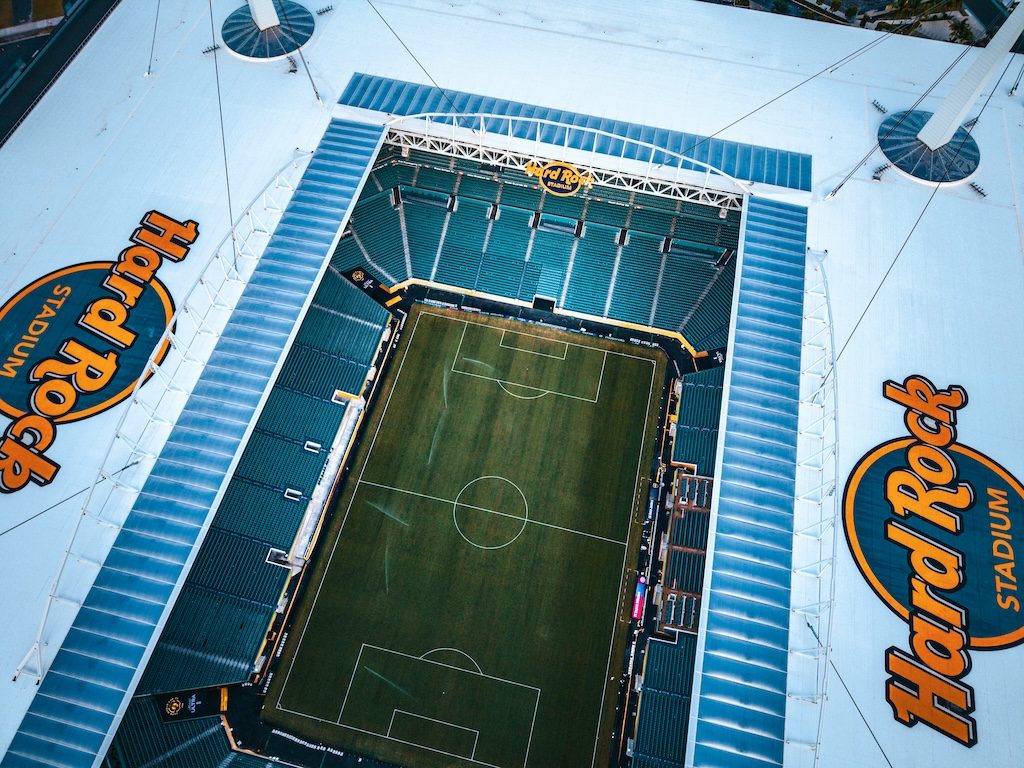
Sometimes a single sports match can rewire an entire city's booking patterns overnight. That's exactly what happened in Miami this week, as England supporters began their rush to secure rooms for the World Cup quarter-final against Norway at Hard Rock Stadium on July 11.
The surge caught the attention of every major travel platform tracking the movement. Booking.com reported that UK traveler searches for Miami stays between July 10 and 12 shot up by 403% in just three days. Expedia.co.uk saw a 300% spike in lodging searches. These aren't incremental increases. These are the kinds of numbers that make hotel managers smile and adjust their pricing models within hours.
What makes this story more interesting is the context. Miami had underperformed earlier in the tournament despite hosting several World Cup matches. The broader US market showed softer-than-expected demand across most host cities, leaving some industry analysts concerned about the financial returns. Then England beat Mexico, sealed their spot in the quarters, and suddenly Miami looked like the most desirable destination in Florida.
Rooms Are Vanishing Fast
Hotels near the stadium and across Miami Beach have tightened their grip on available rooms. Prices have climbed accordingly. Smart travelers who missed the initial wave are now turning to alternative accommodation. Short-term rental platforms reported their own surge, with AirDNA tracking a 15% year-on-year increase in bookings. When hotels fill up, visitors have learned to look sideways at Airbnb and similar services, and Miami's rental market has stepped up to meet the demand.
The booking velocity matters because it signals real traveler intent. These aren't casual searches or window shopping. UK fans are committing to dates and putting down deposits. They're trading money for the chance to watch their team compete at the World Cup's business end.
Norway's Unexpected Detour
The match gained extra attention when Norway's camp had to relocate after just one night. The team was stationed in Fort Lauderdale initially but players complained about traffic noise and construction work that made sleep nearly impossible. They packed up and moved to new quarters in two and a half hours. Truls Daehli, Norway's logistics manager, described it as brutal but necessary. "The process of changing hotels is not ideal," he said, "but we wanted to take action as soon as possible."
It's the kind of detail that reminds you these tournaments are chaotic undertakings. Even the teams themselves are scrambling to adapt on the fly. For travelers looking at planning complex trips, the lesson is clear: flexibility matters.
The Match Everyone Wants to See
On the field, the narrative is compelling. England arrives unbeaten under Thomas Tuchel. Norway has already pulled off a shock victory over Brazil and brings genuine tournament momentum. The striker matchup features Erling Haaland on Norway's side with seven goals (tied for the tournament lead alongside Messi and Mbappe) facing off against England's Harry Kane, who has six. These aren't just squad players. These are the men carrying their nations' expectations.
For travelers already in Miami or planning to be, the city is about to feel like it belongs entirely to football fans for 48 hours. Hotels will be full. Restaurants near the stadium will have waits. The beaches and nightlife districts will pulse with the energy of supporters from across the Atlantic who flew thousands of miles to be here.
If you're thinking about chasing this match in person, the time to move is now. The accommodation window is closing faster than anyone predicted.