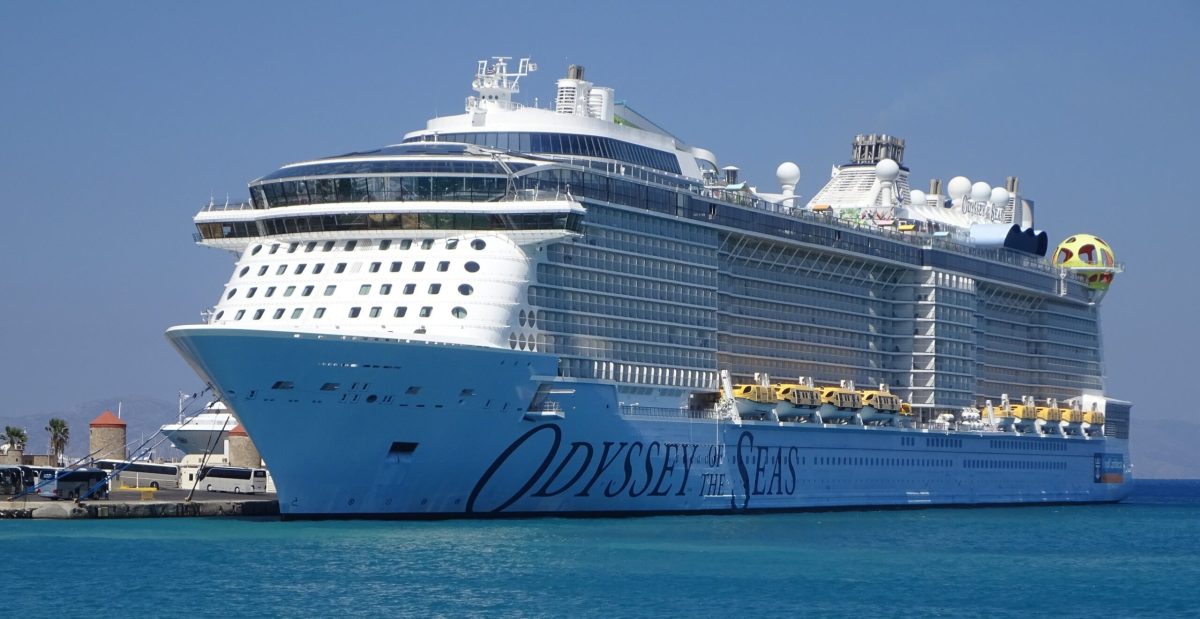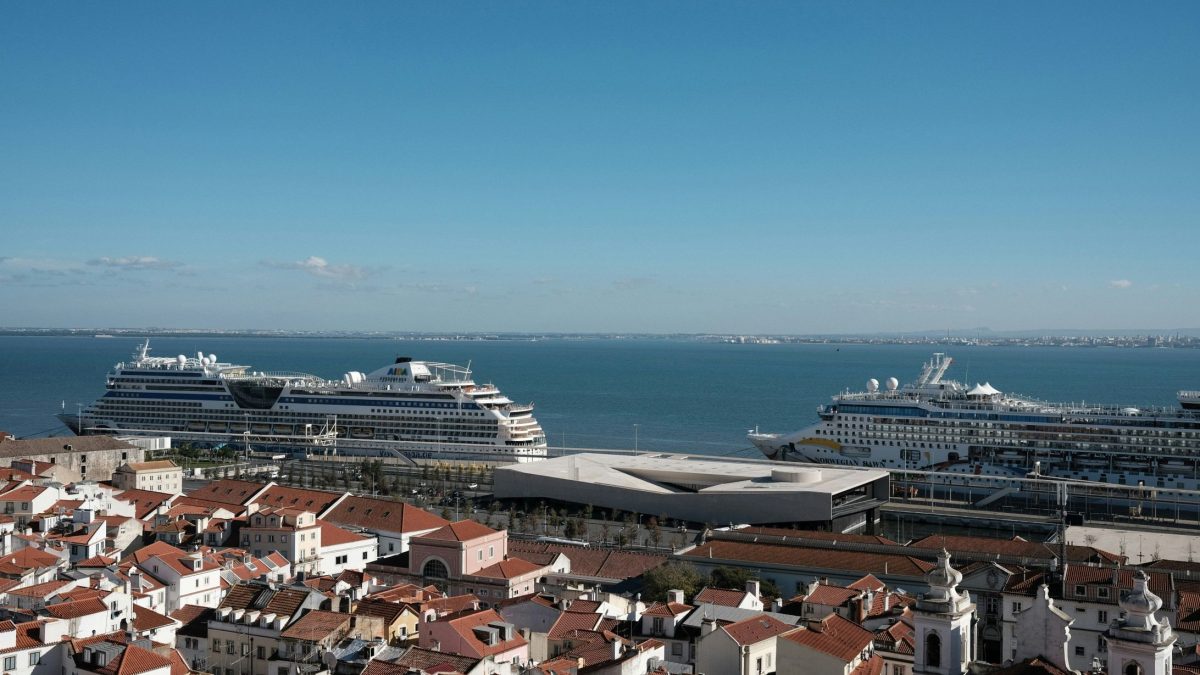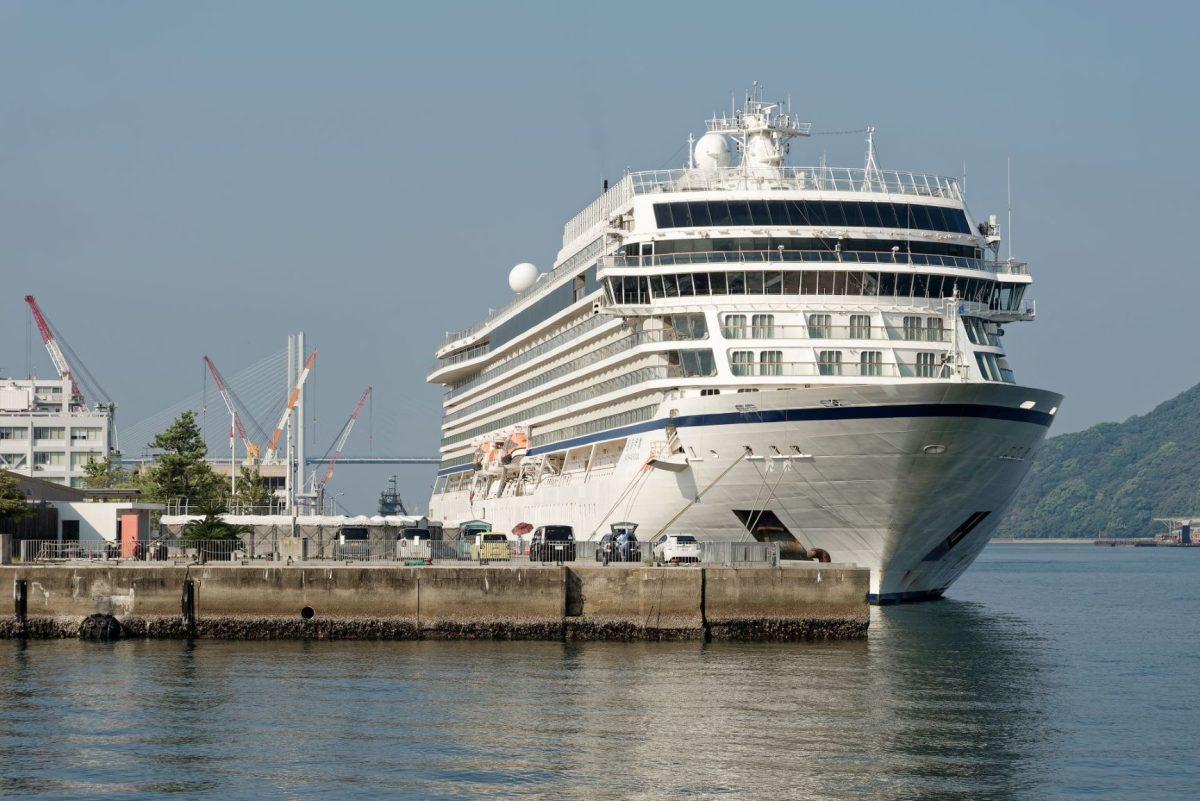
If you've booked a cruise, you might want to read this. Researchers from the University of Southampton have uncovered something troubling about the air around busy cruise ports: it contains pollution particles that weaken your body's defenses against viral infections.
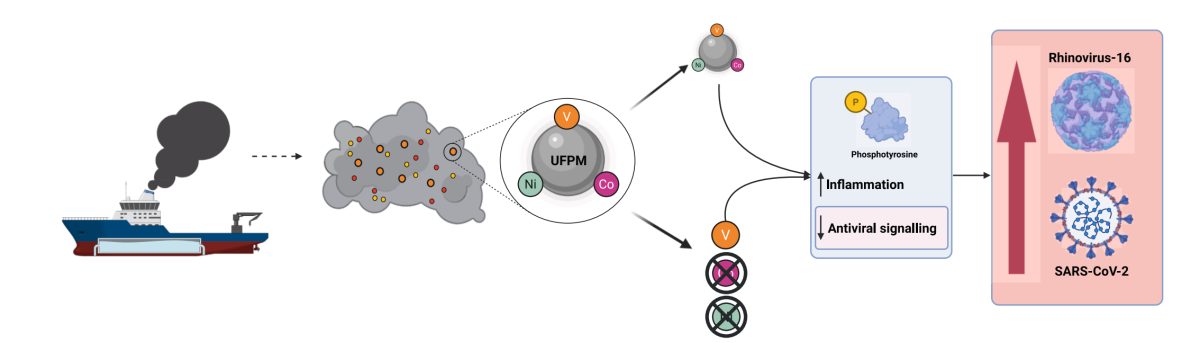
The team collected air samples from different locations around the Port of Southampton on England's south coast and sent them to the lab for analysis. What they found was eye-opening. The particulate matter near cruise terminals showed heavy concentrations of metals and combustion byproducts from heavy fuel oil, the type burned by massive ocean liners. More concerning, these particles triggered inflammatory responses in human cells and made it easier for viruses like rhinovirus and SARS-CoV-2 to spread.

The Tiny Particles That Pack a Punch
Here's where it gets especially worrying. The ultrafine particles in cruise ship exhaust are so small they can slip past your body's natural defenses and penetrate deep into your lungs. Some may even enter your bloodstream. Unlike larger particles, these microscopic invaders currently exist in a regulatory gray zone. They're essentially not monitored or controlled in most places.
Matthew Loxham, the study's senior author and a respiratory biology professor, explained that one element in particular, vanadium, proved especially problematic. Exposure to this metal triggered inflammation in cells and created conditions where viruses could multiply more easily. "These particles are unregulated and generally not monitored," he noted, highlighting a significant gap in environmental protection standards.

The research team noticed something else revealing. Pollution levels spiked when wind blew from the direction of moored cruise ships and when more vessels sat in port. The effect was strongest right at the cruise terminal itself, suggesting that idle ships pumping out exhaust contributed significantly to the problem. Some European cities have already begun taking action against cruise ship impacts, and this research suggests they may be onto something important.
The Pushback From the Industry
Unsurprisingly, port operators and cruise companies quickly disputed the findings. The Port of Southampton's management stressed that the cruise industry generates around 1 billion pounds annually for the region and employs thousands of people. They pointed to environmental improvements they've made, including installing shore power connections that allow ships to cut their engines to zero emissions while docked.
The port also highlighted their air quality monitoring systems, claiming that emissions like nitrogen dioxide and particulate matter stay within legal limits. But here's the catch: current regulations don't adequately cover ultrafine particles or certain types of particulate matter, which is precisely what the Southampton research flagged as problematic.
The Cruise Lines International Association defended its members similarly, emphasizing industry commitments to cleaner technology and a goal of net-zero emissions by 2050. Previous health incidents have already raised awareness about cruise ship safety issues, and this pollution discovery adds another layer to the conversation about cruise travel's true costs.
What Happens Next
The researchers aren't backing down. They're calling for strengthened regulations that specifically address ultrafine particles and variations in particulate matter composition. The current rules, they argue, miss the most damaging pollutants entirely.
For travelers considering a cruise, the takeaway is straightforward: this research reveals a hidden health consideration that most people never think about. You might wonder whether a cruise is worth the exposure, especially if you're traveling with elderly relatives or immunocompromised family members. The industry's economic importance is real, but so is the health impact. The cruise sector's economic value to port cities remains substantial, yet balancing that against public health requires honest conversation.
Until regulations catch up with the science, travelers boarding at busy cruise ports are breathing air that, according to this research, is working against their immune systems. That's worth knowing before you step on the gangway.