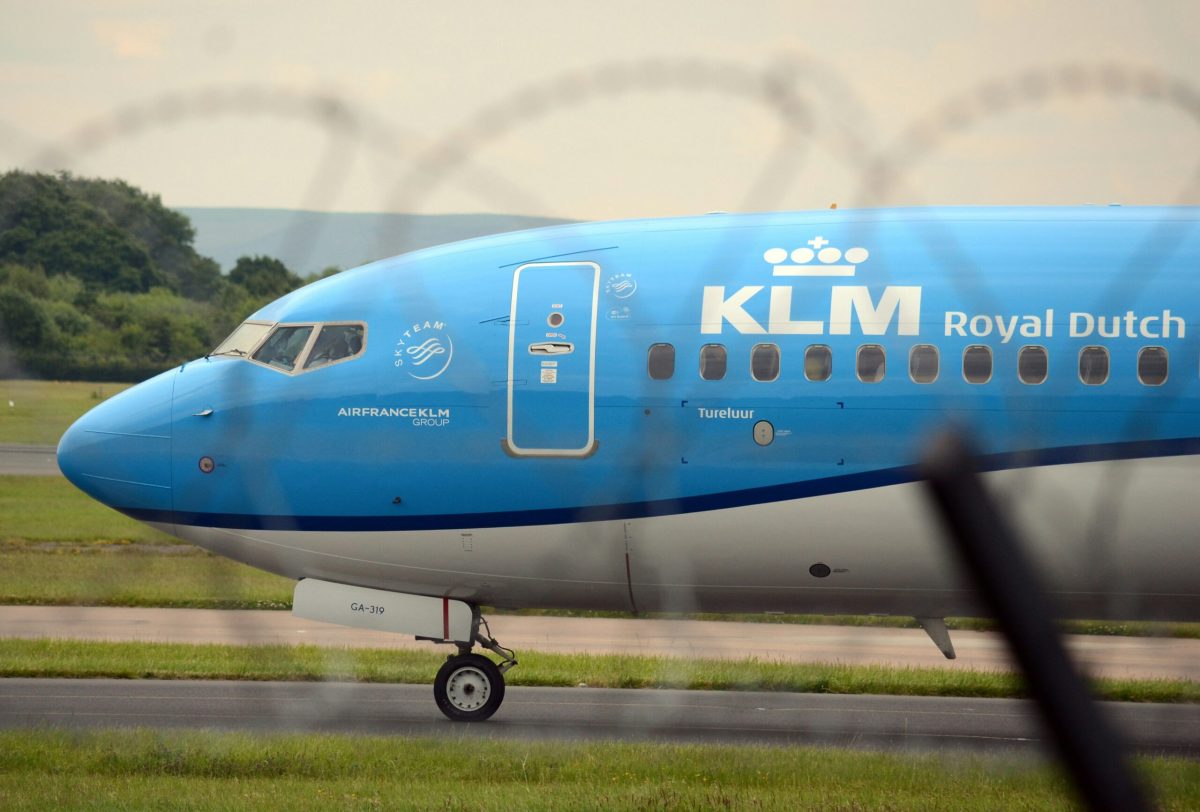
Imagine boarding a flight to recover from a traumatic journey at sea, only to become a potential exposure risk yourself. That's what happened to a KLM flight attendant who briefly encountered a passenger infected with hantavirus after the Dutch cruise ship MV Hondius reported cases among its travelers.
The crew member was hospitalized in isolation at an Amsterdam facility on May 6th after showing mild symptoms. She had been in contact with a 69-year-old woman from Haarlem who had just endured an unimaginable ordeal on the high seas. The passenger's husband had died aboard the Hondius two weeks earlier, and she was being flown from Johannesburg to the Netherlands for medical treatment when she became too ill to fly. She passed away the next day.
The timing of this secondary infection raised alarm bells across aviation and public health circles. According to reports from the World Health Organization, eight cases had been confirmed by early May, with three deaths. While officials assessed the broader public health risk as low, the fact that the virus had jumped from passenger to crew member aboard a commercial flight suggested something troubling about how the outbreak was progressing.
What is hantavirus and how does it spread?
Hantaviruses are carried by rodents and typically transmitted to humans through inhalation of infected rodent droppings, urine, or saliva. The strain involved in this outbreak, known as Andes virus, is unusual because it can occasionally pass between humans through close contact, unlike most hantavirus variants. This fact made health authorities particularly nervous about its presence on commercial flights where hundreds of passengers might be exposed.
Investigators were scrambling to determine whether they were dealing with a new mutation of the virus, one that might be spreading differently than the Andes strain usually does. The path of infection suggested something remarkable: three victims, including the Dutch couple and a German passenger, had likely picked up the virus during an excursion to a landfill near Ushuaia, Argentina, as part of a birdwatching trip before the cruise even departed.
Tracing contacts across continents
The ripple effect of this outbreak extended far beyond the MV Hondius. Health authorities launched contact tracing on the KLM flight where the infected passenger had briefly interacted with crew members. Another suspected case arrived at Schiphol Airport aboard a separate aircraft from Gran Canaria, widening the geographic footprint of potential exposure.
Three evacuees, including a former British policeman named Martin Anstee, had been removed from the ship in full protective hazmat suits on the same day the KLM attendant was hospitalized. The image of suited rescue workers removing patients from a luxury cruise liner underscored how quickly the situation had escalated from a shipboard medical issue to an international health emergency.
For travelers considering Antarctic cruises and remote voyages, this outbreak served as a stark reminder of the biological risks that come with expedition travel. These journeys take you to some of Earth's most isolated and pristine environments, places where wildlife and human contact intersect in ways that rarely happen elsewhere.
The bigger picture for cruise safety
KLM's decision to prevent the infected passenger from boarding the flight to Amsterdam may have prevented further spread, but the brief window of contact between her and crew members had already created exposure. The airline's statement noted that the passenger's medical condition was the reason for the removal, a clinical way of describing what was clearly a crisis management moment for the crew.
This incident doesn't mean cruise travel is inherently dangerous. The risk remains low for most travelers. What it does mean is that when you travel to remote regions like Patagonia and beyond, you're entering ecosystems where unfamiliar pathogens exist. Birdwatching excursions in landfill areas carry real exposure risks that even experienced expedition operators might underestimate. As travel demand grows and prices climb, more people are taking these adventurous journeys, which means the odds of similar incidents increase.
Health organizations continue to monitor the situation, working with governments to care for the affected and prevent transmission. For now, the hospitalized flight attendant and other confirmed cases represent a sobering lesson in how quickly a localized outbreak can become an international incident once it enters the transportation network.