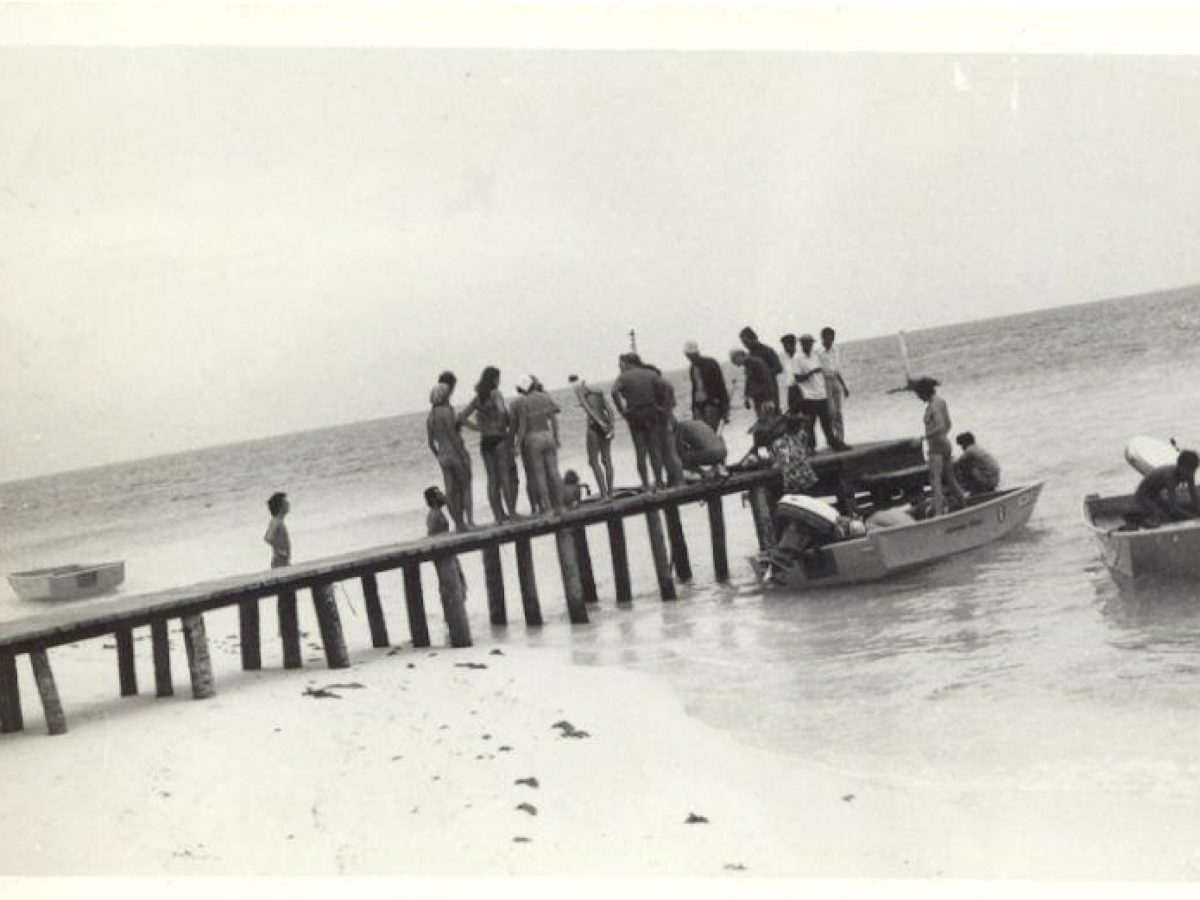
In 1972, wading through waist-deep water to reach a beach was not the romantic gesture it sounds like. It was simply how guests arrived at Kurumba, the Maldives' first resort. No dock. No welcoming platform. Just a handful of intrepid travelers, a few curious photographers from Italy, and an audacious businessman named Mohamed Umar Maniku who believed this remote archipelago could become something extraordinary.
Maniku spent more than five decades proving himself right. As chairman of Universal Enterprises, he didn't just open a resort. He rewrote the entire trajectory of a nation. The Maldives he inherited was a place of 4,000 years of quiet settlement, fishing boats, and isolation. The Maldives he helped create is now a pillar of global luxury travel. When he died in August at 78, his fingerprints were all over the country's transformation into a destination that has captivated millions.
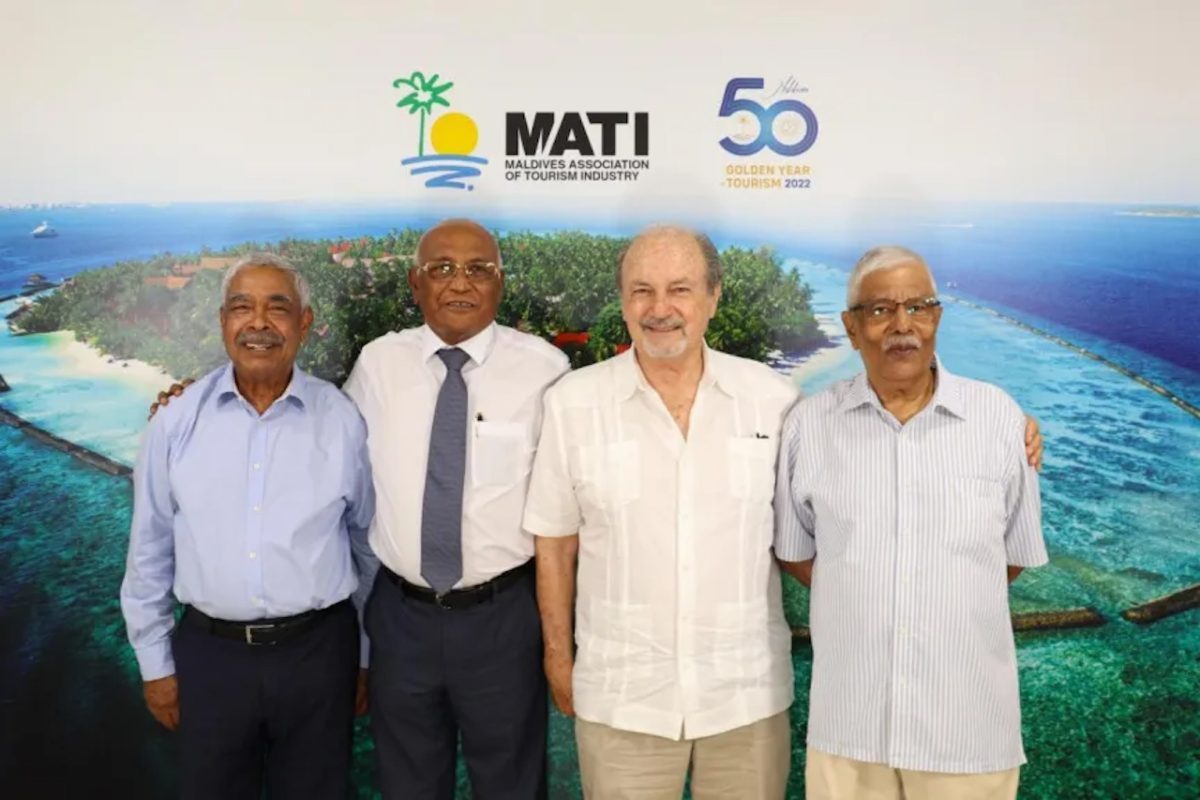
October 3rd is National Tourism Day in the Maldives, marking the opening of Kurumba. But the real watershed moment came in 1987, when Maniku upgraded the resort into a genuine five-star property. At the same time, the expansion of Velana International Airport meant travelers could finally arrive with ease. A remote island nation suddenly became reachable, and the world took notice.
Two islands, countless reasons to go
Today you can choose from over 100 resort islands. But two properties from Maniku's rebranded Universal Resorts portfolio capture what made his vision work: Niva Kuramathi and Niva Dhigali.
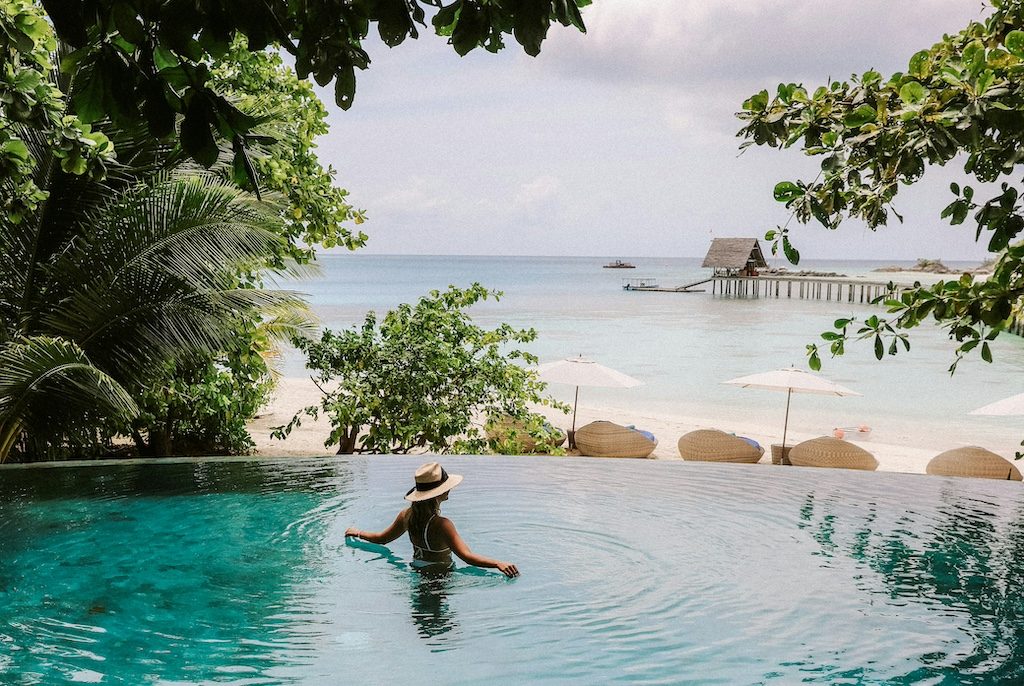
Kuramathi sits roughly in the center of the archipelago, making it the second-oldest resort island in the country. The 50-minute speedboat ride from just outside Malé airport is your first hint that this isn't a typical beach getaway. As the horizon gradually fills with white sand and coconut palms, you begin to understand why this island has become legendary for wedding photography. The Sandbank is the main attraction: a long, narrow bar of sand that offers 360-degree views and sunsets that look photoshopped but aren't.
The island is evolving. Older villas are being replaced with new accommodations that blend comfort with the kind of tropical authenticity that social media influencers pretend to want but rarely find. Two-bedroom beach houses come with private sundecks, outdoor showers, and views that stretch across the lagoon or toward the coral reef.
Dhigali lies further north in Raa Atoll, which means reaching it requires a different adventure altogether. You speed back to Malé by boat, then board a seaplane for a 45-minute flight that's honestly worth the trip on its own. From the air, you see the entire geography of the Maldives unfold: atolls scattered like turquoise jewels across an impossibly blue ocean. Dhigali itself is thick with vegetation. Grey herons nest in the trees. Flying foxes, native to the islands, drift through the canopy at dusk. It feels less developed than Kuramathi, which is precisely the point for travelers seeking quieter surroundings.
Eating and staying
Kuramathi operates 12 restaurants, nine of them offering a la carte menus. Local fishers supply the kitchen with lobster and tuna that tastes like it was caught this morning, because it was. You can eat seafood on a jetty at Reef, watch chefs prepare Japanese dishes at Kobe, or experience something entirely different at any of the other venues scattered across the island.
Dhigali takes a different approach with a premium all-inclusive model. You move between restaurants without worrying about bills. Capers serves the traditional trio of breakfast, lunch, and dinner buffets with local and international options. Battuta sits hidden in the island's preserved jungle section and draws inspiration from the travels of medieval explorer Ibn Battuta. Both resorts maintain a resident doctor, which matters to travelers who want reassurance without sacrificing scenery.
Beyond the sand
The Maldives has a reputation as a place where you lie on the beach and do nothing. That's still an excellent use of time. But these islands offer far more. Kayaking, stand-up paddleboarding, and diving reveal what hides beneath the surface. Coral gardens shelter fish, turtles, rays, and small sharks that pose no threat if left alone. Boat trips sometimes offer dolphin sightings, which the resorts handle ethically, without pressuring the animals into performances.
Kuramathi has planted a hydroponic garden that grows salad and herbs for the kitchens, reducing the need for imports. An eco centre displays a sperm whale skeleton and tracks the island's efforts to cut water consumption and carbon emissions. Evening films screen under stars. Spa treatments happen in buildings surrounded by tropical plants. The Botanic Walk features a banyan tree that's been standing for 360 years. These activities remind you that the Maldives, despite its reputation for hedonism, is still a place where human activity must balance with the natural world.
Dhigali's Haali Bar attracts crowds at sunset, usually with live music. The Jungle walk preserves much of the island's original landscape, giving you a sense of what existed before resorts arrived. As climate change reshapes travel destinations globally, both properties have embraced sustainability measures that reduce their environmental footprint. The Maldives, as the world's lowest-lying country, cannot afford not to.
The irony of Maniku's legacy is that he created destinations so beautiful that they now face existential threats from rising seas, coral bleaching, and warming oceans. New technologies like electric speedboats represent one answer to environmental pressure. But the deeper question remains: how do you preserve a paradise that inspired millions to visit? Maniku opened that first resort when the Maldives felt untouched. Today's travelers inherit a more complicated responsibility. They visit not to discover, but to honor what one visionary saw in an isolated island nation half a century ago.