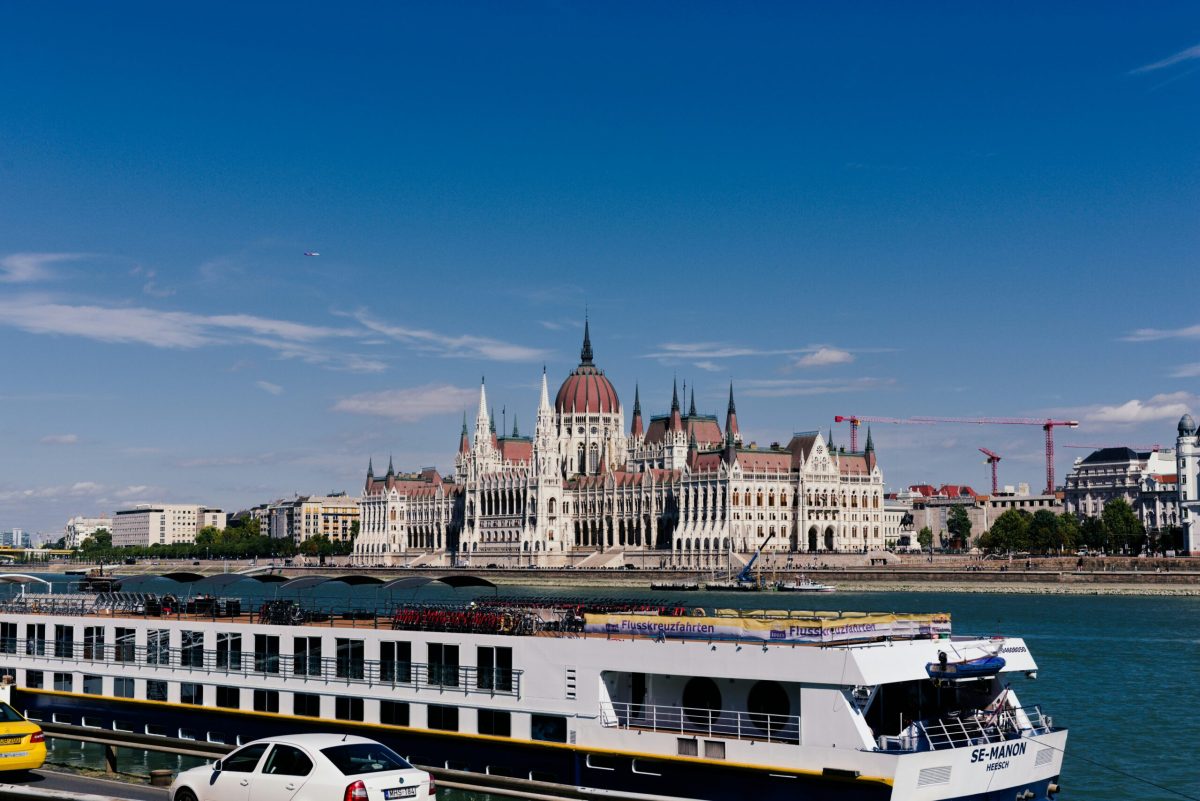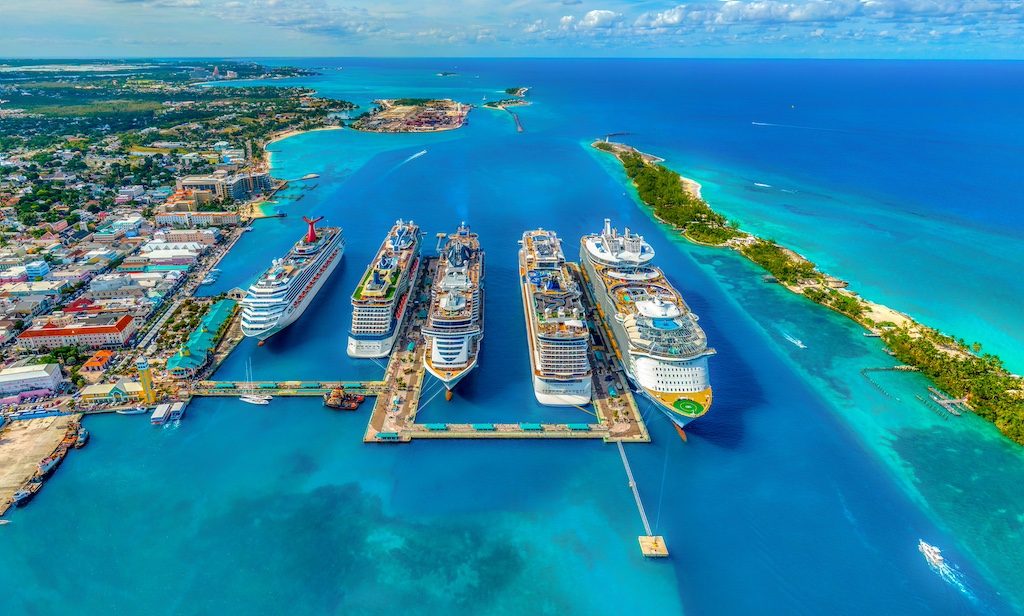
Cruise ships have taken their lumps in recent years. Overtourism complaints, environmental concerns, overcrowding in Venice and Barcelona, the sense that massive vessels dump thousands of tourists into small towns with minimal benefit to locals. The narrative has hardened: cruise tourism extracts value rather than creates it.
A comprehensive report from the World Travel & Tourism Council challenges that story. The numbers are harder to dismiss than the grimy Instagram of a ship towering over ancient architecture.
The Money Is Real and It Spreads
In 2024, the cruise industry generated roughly $98.5 billion in direct global GDP contribution and nearly $199 billion in total economic output. That's not pocket change for coastal towns competing for tourist dollars. The sector sustained approximately 1.8 million jobs worldwide and paid $60.1 billion in wages. For every 20 cruise passengers, one full-time job exists somewhere in the economy, from port workers to restaurant staff to local tour guides.
These jobs aren't confined to ship crews. They ripple outward to hospitality workers, small tourism entrepreneurs, shopkeepers, and micro-economies that depend on visitor spending. A cruise passenger stepping ashore for a day in a Mediterranean town might grab lunch, hire a taxi, buy souvenirs, book a shore excursion from a local operator. That money stays in the community.
The Return Visitor Effect Nobody Talks About
Here's the part that reshapes the calculation: over 60 percent of cruise passengers who visit a destination for the first time will return later to explore it more deeply. They come back on their own dime, stay longer, spend more, and tell their friends. That's sustained demand created by a single cruise port visit. It's the gateway drug of tourism, and the economic value extends far beyond a one-day turnaround.
Gloria Guevara, president and CEO of the council, put it plainly: "When travellers discover a destination through cruising and choose to return, they create ongoing opportunities for local businesses, support jobs, and contribute to the long-term vitality of those communities." Port towns don't just pocket one transaction. They build customer relationships that pay dividends for years.
Addressing the Overcrowding Problem Without Dismissing the Industry
The criticism about overtourism isn't baseless. Images of 6,000-passenger ships unloading into narrow medieval streets raise legitimate questions about carrying capacity and community welfare. But the report offers context: approximately 80 percent of all tourists globally concentrate in just 10 percent of destinations. Cruise tourism, when strategically distributed, can actually help spread visitor flow more evenly across regions that need economic support.
Like Auckland's new international port terminal planned for 2027, infrastructure investment tied to cruise arrivals often brings wider community benefits. Better terminals, improved accessibility, upgraded transportation networks, and sustainability projects all emerge from the push to handle cruise traffic efficiently.
Beyond Money: Skills, Inclusion, and Cultural Preservation
The benefits extend deeper than paychecks. The industry drives workforce development across more than 150 countries, offering career pathways in hospitality, operations, and management. Gender representation in leadership has improved notably, with roughly 40 percent of senior roles now held by women and over 50 percent of mid-level positions. (Though women remain underrepresented in the C-suite, with only six to eight serving as CEOs or presidents of major lines.)
Cruise lines also fund cultural preservation in port cities, invest in infrastructure that locals benefit from long after tourists leave, and, in crisis moments, deliver humanitarian aid and emergency shelter after hurricanes. Environmental initiatives like shore power technology and marine conservation projects from operators like MSC Cruises and Havila Voyages show the sector can align profits with ecological responsibility.
The Future Demands Smarter Balance
Cruise passenger capacity is expected to grow 19 percent between 2022 and 2028. That growth creates both opportunity and risk. The report recommends embedding cruise tourism into inclusive growth strategies, strengthening community partnerships, aligning infrastructure with genuine social value, and improving how impact is measured. South Korea's recent move toward instant tax refunds for cruise passengers shows one way destinations are optimizing the visitor experience while benefiting locals.
Cruise tourism isn't perfect. The industry faces real pressure to manage environmental impact, prevent overtourism in fragile destinations, and ensure profits actually circulate through local economies rather than funneling to distant corporations. But the evidence suggests the sector creates far more economic value for port communities than the photo of a massive ship suggests. The conversation needs to shift from "cruise ships are bad" to "how do we make cruise tourism work better for everyone." That's a harder question, but a more honest one.