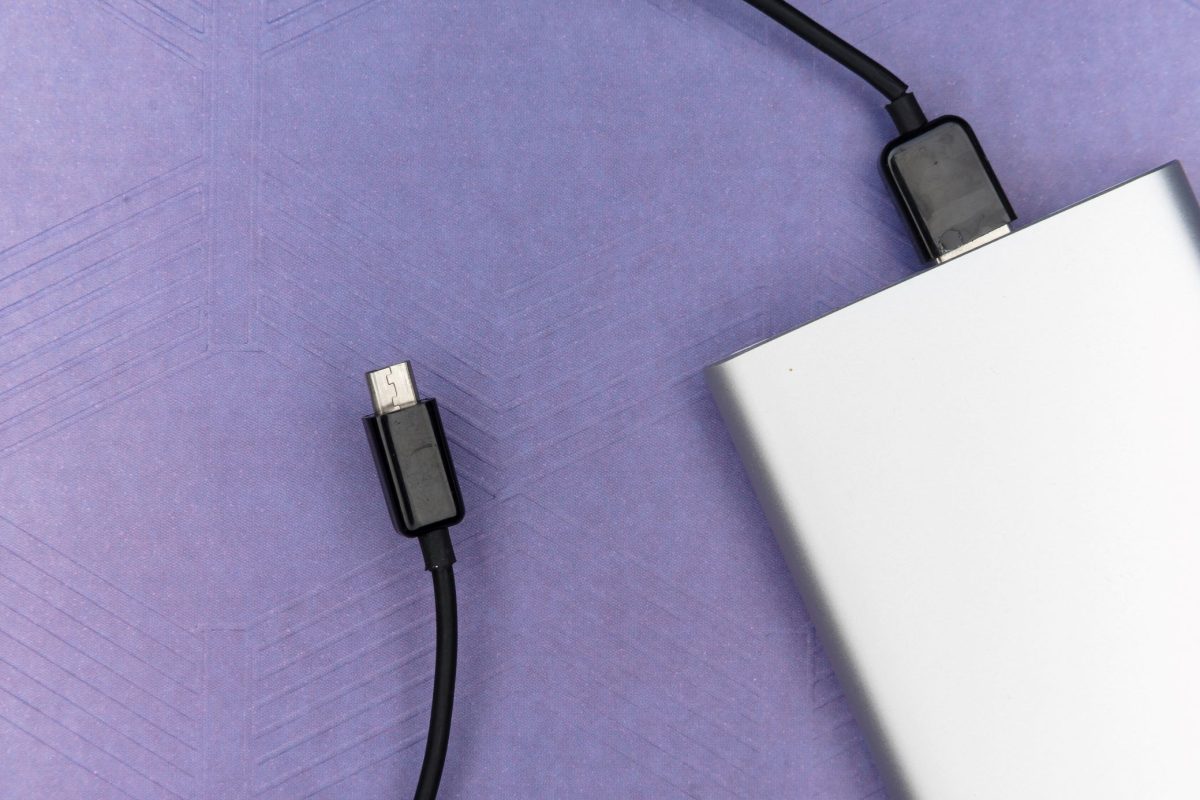
Before you zip up your suitcase for that summer getaway, listen up: that trusty power bank sitting on your nightstand needs to travel with you in the cabin, not in the hold below. The UK's Civil Aviation Authority just joined airlines and aviation regulators globally in enforcing stricter rules around lithium-ion batteries, and the stakes are genuinely high.
The warning isn't new, but it's getting louder. In fact, the CAA launched a campaign this year highlighting the dangers posed by over 100 million incorrectly packed batteries. Power banks, vapes, and other lithium-powered gadgets must ride in your carry-on where cabin crew can monitor them. Pack them in checked luggage and you're risking delays, confiscation, or something far worse: a catastrophic fire at 35,000 feet.
Why Your Charger Is More Dangerous Than You Think
The culprit behind all this concern is a phenomenon called thermal runaway. Picture a chain reaction spiraling completely out of control. When lithium-ion batteries get damaged, overcharged, or exposed to extreme heat, excess internal warmth triggers chemical reactions that generate even more heat. This creates a vicious feedback loop that escalates rapidly. The battery fails, toxic and flammable gases spill out, and fires or explosions follow.
What makes lithium-ion batteries particularly prone to this disaster is their design: they cram an enormous amount of energy into something tiny and lightweight. The payoff is your phone runs all day on a slim device. The tradeoff is a highly flammable liquid electrolyte packed inside that responds violently to damage or overheating. Any manufacturing flaw, physical impact, or temperature spike can trigger catastrophe.
The Numbers Are Getting Scarier
This isn't theoretical anymore. Fire incidents involving electronic devices in airplane holds reported to the CAA more than doubled between 2024 (315 incidents) and 2025 (643 incidents). That's not a trend worth ignoring. When fires break out in the cabin, trained crew members can spot them and take action. But in the cargo hold, hidden beneath tons of luggage? Nobody knows it's happening until it's too late.
Reality has backed up these warnings with real tragedies. An Air China flight experienced a battery fire in an overhead bin while flying between Hangzhou and Seoul, and an Air Busan aircraft was destroyed by fire in early 2025 in a lithium-battery-related incident. Hundreds of other close calls involving chargers and batteries have been logged globally. The CAA now considers lithium battery fires the number one safety threat to commercial aircraft.
What the New Rules Actually Mean for Travelers
Major carriers including British Airways, Cathay Pacific, Emirates, Lufthansa Group, Qantas, and Singapore Airlines have all updated their policies in line with fresh guidance from the International Civil Aviation Organization. Here's what you need to do before your next flight:
- Keep power banks and lithium-ion battery devices in your carry-on bag only
- Limit yourself to a maximum of two power banks per flight
- Never attempt to charge devices while the aircraft is in flight
- Check your specific airline's policy before packing, as rules vary slightly
- Avoid packing phones, laptops, or other rechargeable gadgets in checked luggage
Before you travel, verify your airline's exact requirements. Rules differ, and the last thing you want at the airport is discovering your carefully packed luggage won't be allowed on board. Better yet, stay updated on how aviation regulations are evolving to keep your trips smooth.
Prevention Starts With You
Tim Alderslade, CEO of Airlines UK, frames this plainly: managing lithium battery risks is a growing challenge, but "the best outcome is always prevention, which starts when passengers pack their bags." That means you. The responsibility sits with travelers to follow these guidelines, not out of inconvenience but out of necessity.
It seems small. Stuffing your power bank into your backpack instead of your rolling suitcase feels trivial compared to everything else on your packing list. But that one decision, multiplied across millions of flights, could be the difference between arriving at your destination safely and a disaster no one saw coming. When you're heading to the airport next, remember: your carry-on has room for what matters most. Pack smart, and get there without incident.