The ultra-wealthy have a problem that traditional luxury can't solve: they've already bought everything. Seven houses. Twelve cars. Seventeen watches. What's left when the shopping spree finally ends? According to Accor CEO Sebastien Bazin, the answer is a yacht the size of a city block.
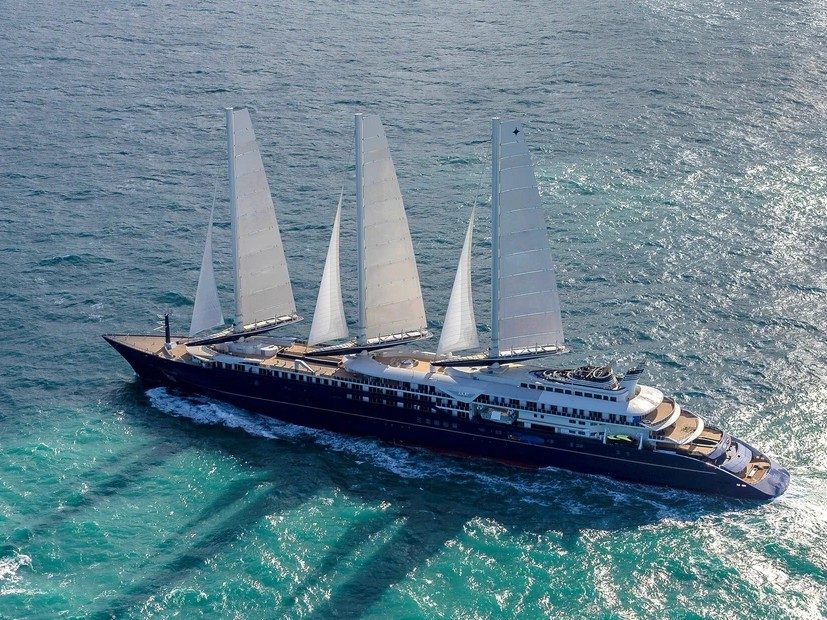
This May, the Orient Express Corinthian set sail from a French shipyard as the world's largest sailing vessel at 220 meters. It's the first major move by a power couple in hospitality: Accor (the global hotel heavyweight) and LVMH (the luxury goods empire behind Louis Vuitton and Hennessy) have joined forces to chase a market segment growing nearly twice as fast as traditional luxury goods. While designer watches and handbags are expected to grow by less than five percent this year, ultra-premium experiences are forecast to surge between nine and 11 percent.
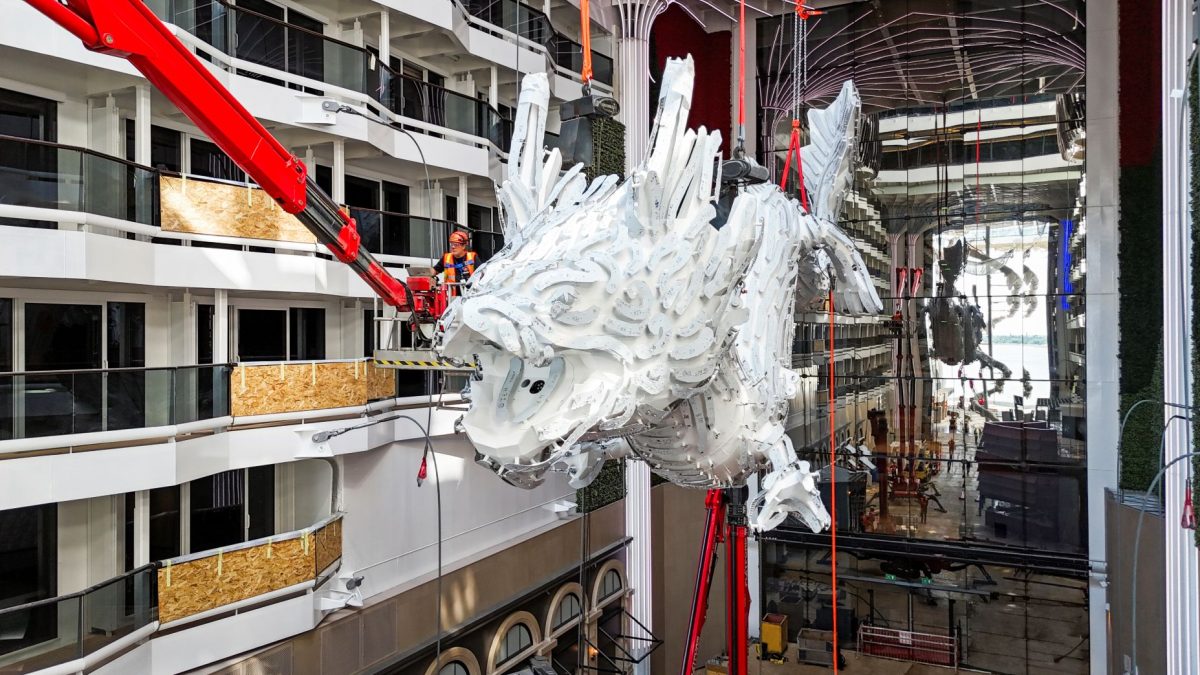
Built at the legendary Chantiers de l'Atlantique shipyard in Saint-Nazaire, the Corinthian carries 110 guests across 54 oversized suites and features everything a billionaire's bucket list might demand: five restaurants, eight bars, a speakeasy, private dining quarters, and a theater. Architect Maxime d'Angeac designed every inch with the kind of excess that feels inevitable for a ship of this caliber.
When Money Stops Being About Stuff
Bazin captured the shift perfectly in a recent interview. "When you are getting rich, very rich, money hasn't got the same meaning," he explained. "The only thing that has a meaning is recognition. Have you become someone?" The Corinthian answers that question with a four-day deck suite experience starting around €25,000 per person, plus access to something no amount of money can buy elsewhere: a shared moment aboard the world's most exclusive floating hotel.
Estelle Dinh, a hospitality professor at Swiss institution Gilon, frames it as a status badge for experiences. "Certain people would have certain badges," she noted, comparing it to attending Monaco's Formula One races. Staying in a Corinthian suite becomes proof of arrival in a circle where traditional acquisitions have lost their shine.
LVMH hasn't entirely abandoned its goods strategy, though. The ship features a Guerlain beauty salon and Hennessy cognac flows freely in the penthouses, ensuring that branded luxury goods still play their part in the overall theater. It's a smart hedge: even ultra-wealthy guests appreciate knowing they're pampered with products that carry their own cultural weight.
A Strategic Pivot Worth Watching
What makes this partnership particularly interesting is that Accor and LVMH have built in reciprocal buy-out options for the future, signaling they're serious about understanding where ultra-wealthy travelers are heading next. This isn't a one-off experiment but a calculated move into an experience economy that's clearly outpacing traditional luxury retail.
The Corinthian's debut connects to a broader renaissance of the Orient Express brand, which has repositioned itself as a curator of unforgettable journeys rather than just another luxury service. Whether by rail or sea, the brand is betting that today's richest travelers want stories they can't get by walking into a flagship store.
For travelers not commanding eight-figure bank accounts, the shift itself is worth noting. It reveals how the luxury industry sees the future: not in objects that sit in closets, but in experiences that reshape how people see themselves and their place in the world. The Corinthian might be reserved for billionaires, but the philosophy it represents is reshaping travel for everyone willing to chase moments over merchandise.