Sometimes a single decision by one person can ripple outward and destroy everything. On January 13, 2012, Captain Francesco Schettino of the Costa Concordia decided to impress a crew member by performing an impromptu sail-by salute near Giglio Island in Tuscany, where that employee's family lived. What should have been a small gesture of goodwill became the catalyst for one of modern Europe's deadliest maritime disasters.
Netflix's new documentary Shipwrecked: Nightmare at Sea, directed by Chiara Messineo (known for her work on both Searching for Italy and the true crime series Vatican Girl), reconstructs this catastrophe with haunting clarity. The film pieces together survivor testimonies, recovered cell phone footage, previously unseen video, and black box recordings to reveal not just the accident itself, but the failures and deceptions that amplified the tragedy. With 4,263 people aboard when the ship departed Civitavecchia, the stakes could not have been higher.
A Perfect Storm of Miscommunication
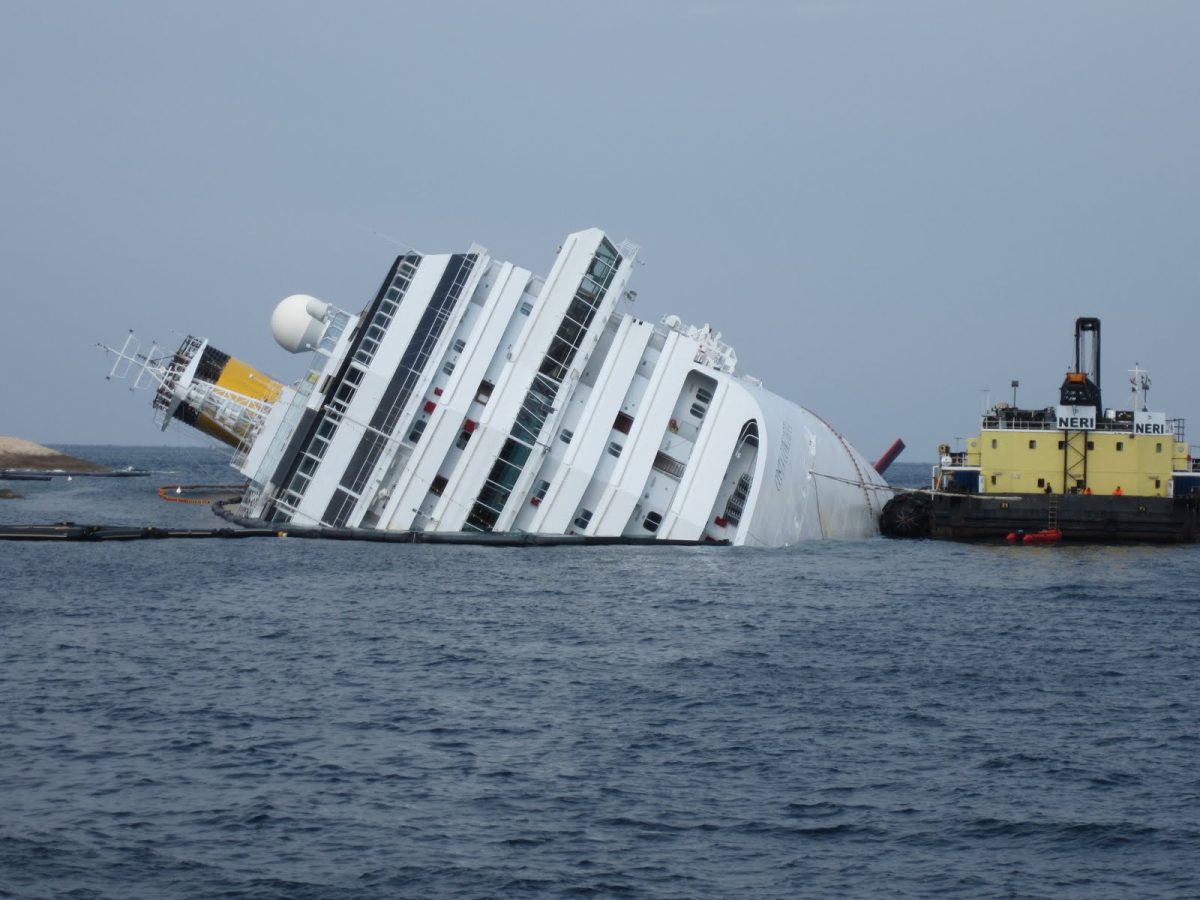
The reef that tore a 53-meter gash into the Concordia's port side was waiting in shallow water. But the real disaster unfolded in the hours after impact. Instead of immediately calling for evacuation, the captain and crew told the Italian Coastguard that the situation was merely an electrical blackout. An hour passed before the evacuation signal finally went out, by which point the ship had already taken on catastrophic amounts of water. The vessel then grounded itself on its starboard side, blocking the lifeboats from being deployed. What started as poor judgment transformed into a cascading failure of protocol and communication.
Director Messineo draws deliberate parallels to the Titanic, examining how different classes of passengers experienced the emergency. But there is one crucial difference in how history remembers these two wrecks. The Titanic's captain went down with his ship, reportedly helping women and children to safety even as the vessel sank beneath the Atlantic. Schettino, by contrast, abandoned his passengers while they were still trapped aboard. He later claimed he had simply "fallen into a lifeboat." The public response was swift and unforgiving.
Justice and Consequences
Schettino was eventually convicted of manslaughter, causing a maritime accident, and abandoning ship. He received a 16-year sentence and remains imprisoned at Rebibbia Prison in Rome today. Five other crew members faced convictions for manslaughter and negligence but served no prison time. Costa Cruises, the parent company, paid a 1 million euro corporate penalty and settled with passengers but avoided criminal prosecution entirely.
The financial and environmental aftermath proved equally immense. Salvage crews faced the daunting task of draining 2,000 tons of fuel from the wreck to prevent an ecological catastrophe in the protected marine area. The actual recovery operation involved massive floating platforms, specialized cranes, and complex flotation devices to raise and tow the ship to Genoa for scrapping, in an operation that cost over 1 billion euros and took two years.
The Silver Lining
In the 14 years since the disaster, something unexpected happened. Rather than retreat from ocean travel, the cruise industry implemented sweeping new safety and emergency protocols. Global cruise passenger volume has grown by 83 percent, and the sector's economic contribution has nearly doubled, driven by a new generation of travelers and increasingly massive ships built with upgraded safety features. The tragedy, grim as it was, forced an entire industry to reckon with its vulnerabilities.
For anyone planning a Mediterranean cruise or considering life aboard a modern ship, understanding this history matters. The reforms that followed the Concordia sinking changed how ships are designed, how crews are trained, and how emergencies are managed. Shipwrecked: Nightmare at Sea serves as both a memorial to those lost and a fascinating look at how one catastrophic failure can reshape an entire industry. It's the kind of documentary that makes you think twice about the infrastructure you trust with your life when you travel.