Here's a question most travelers never ask: what happens to a jumbo jet after it's been flying for a decade or two? For most airlines, retirement looms. For Emirates, it's just the beginning of a complete interior makeover.
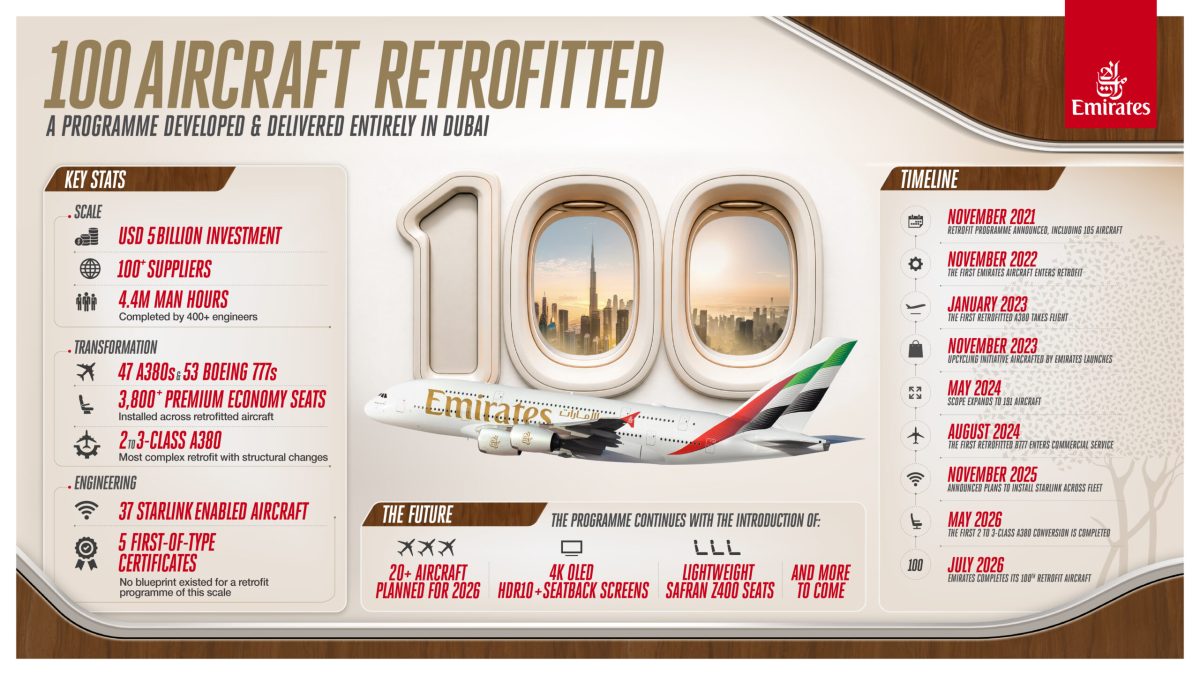
The Dubai-based carrier just hit a major milestone, completing the retrofit of its 100th aircraft in just 44 months. That's 53 Boeing 777s and 47 Airbus A380s that have been gutted, redesigned, and sent back into the skies with new seating, upgraded lavatories, refreshed galleys, and the latest onboard entertainment systems. The total bill for this massive engineering operation? Five billion dollars. Unlike competitors simply waiting for new deliveries, Emirates made a bold choice: upgrade what you have.
The Inside-Out Transformation
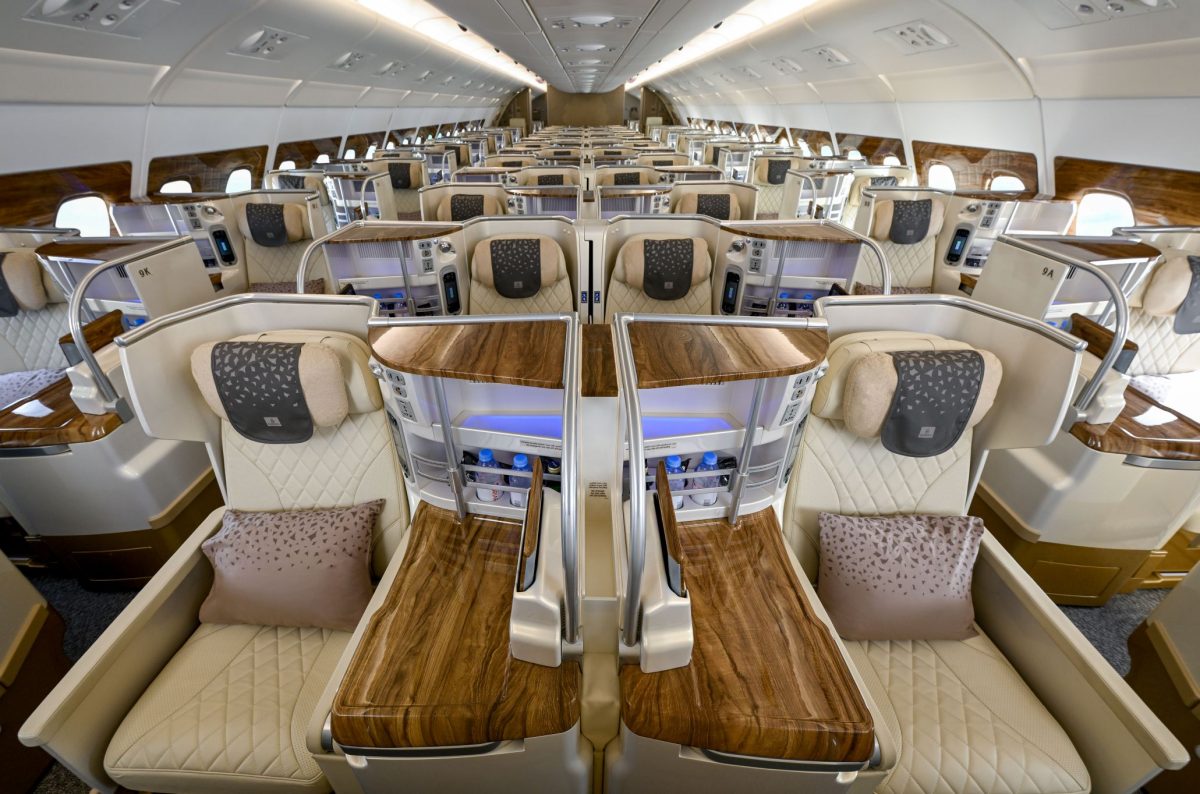
Walk through an Emirates cabin today and you might not realize you're sitting in a plane that carried passengers years ago. That's because the refurbishment process is radical. Engineers remove entire sections of the cabin, strip out worn components, and install thousands of brand new parts. Each A380 retrofit involves fitting more than 4,000 newly manufactured components. A Boeing 777 gets more than 2,500 replacement parts. This isn't a fresh coat of paint and some new pillows. This is a surgical rebuild.
The work has become one of the largest engineering projects ever undertaken by a commercial airline. Since November 2022, over 400 engineers, technicians, and specialists have logged 4.4 million working hours in Emirates' Dubai facilities. They've created specialized tools and custom equipment just to access tight cabin spaces efficiently. One particularly clever innovation: modified catering trucks that can actually transport large cabin sections around the maintenance hangar.
Premium Economy Takes Flight
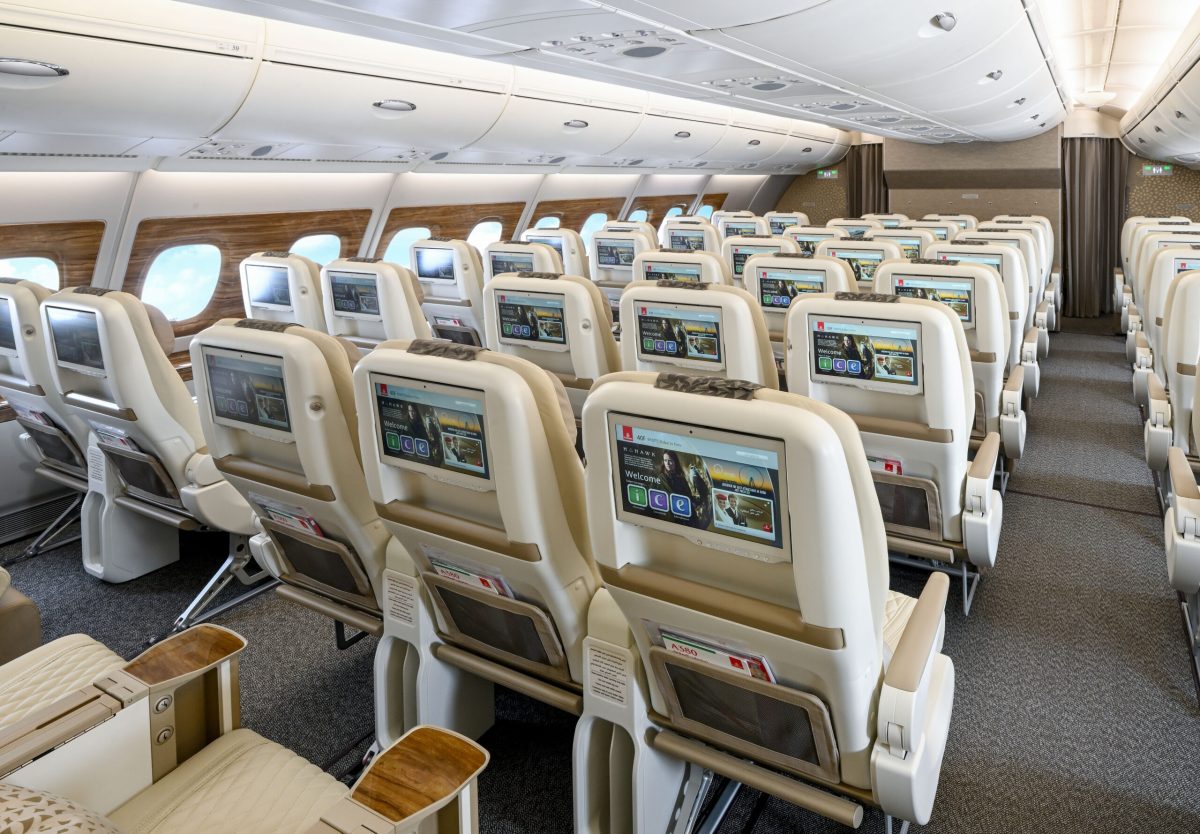
The most visible change for passengers comes in the form of the expanded Premium Economy cabin. Airlines worldwide have noticed that the gap between Economy and Business Class is where real demand lives. Emirates has installed over 3,800 Premium Economy seats across its refurbished aircraft, giving middle-tier travelers more legroom, wider seats, better recline, and dining that actually resembles proper food. As more routes add this cabin class, it's becoming clear that the sweet spot in air travel isn't at either extreme.
This expansion matters especially for long-haul routes where the jump from regular Economy to Business Class prices can feel astronomical. Other carriers are also investing heavily in fleet improvements, recognizing that today's traveler expects more than yesterday's aircraft can deliver.
Why Now? Aircraft Delivery Chaos
This retrofitting blitz isn't purely about luxury or innovation. It's a strategic response to a real industry crisis. Airbus and Boeing are struggling to meet delivery timelines, leaving airlines with aging fleets and few new aircraft to deploy. Rather than sit idle and grumpy passengers complain about worn seats and outdated seatback screens, Emirates found a smarter path. Modernize the planes already earning revenue.
For the Airbus A380 specifically, the refurbishment program is particularly crucial. Airbus stopped building the double-decker jumbo, yet Emirates operates the world's largest A380 fleet. By renovating these aircraft, the airline ensures they can keep flying them profitably for years to come, rather than watching them slide into premature retirement. Emirates has also pioneered new insurance products to protect travelers during industry disruptions, showing a broader commitment to improving the entire travel experience.
The Numbers Keep Growing
What started as a plan to retrofit 105 aircraft has ballooned into an ambitious 219-aircraft program. The jump reflects simple economics: when customers notice better cabins and happier flying experiences, they want it everywhere. By the end of 2026, around 20 more aircraft will join the refurbished fleet, pushing the project past its halfway point. If completed as planned, this will rank as one of the largest cabin overhaul programs any airline has ever attempted.
The Sustainability Angle Nobody Expected
Alongside the passenger comfort improvements, Emirates has embedded a sustainability strategy into the whole operation. Instead of binning the materials stripped from cabins, leather and fabric are being repurposed. The airline created "Aircrafted by Emirates," a limited-edition product line made from salvaged cabin materials. Even cooler, over 4,000 backpacks made from recycled Economy Class seat fabric have been donated to children across 11 countries.
It's a reminder that major infrastructure projects don't have to generate waste as a byproduct. When you're already inside a plane ripping out thousands of components, choosing to recycle rather than discard requires only intention, not extra expense.
For travelers booking flights over the next few years, this moment matters. Somewhere in Dubai, engineers are working on the aircraft that will carry you across continents. It might be older than you'd expect, but its interior will feel brand new.