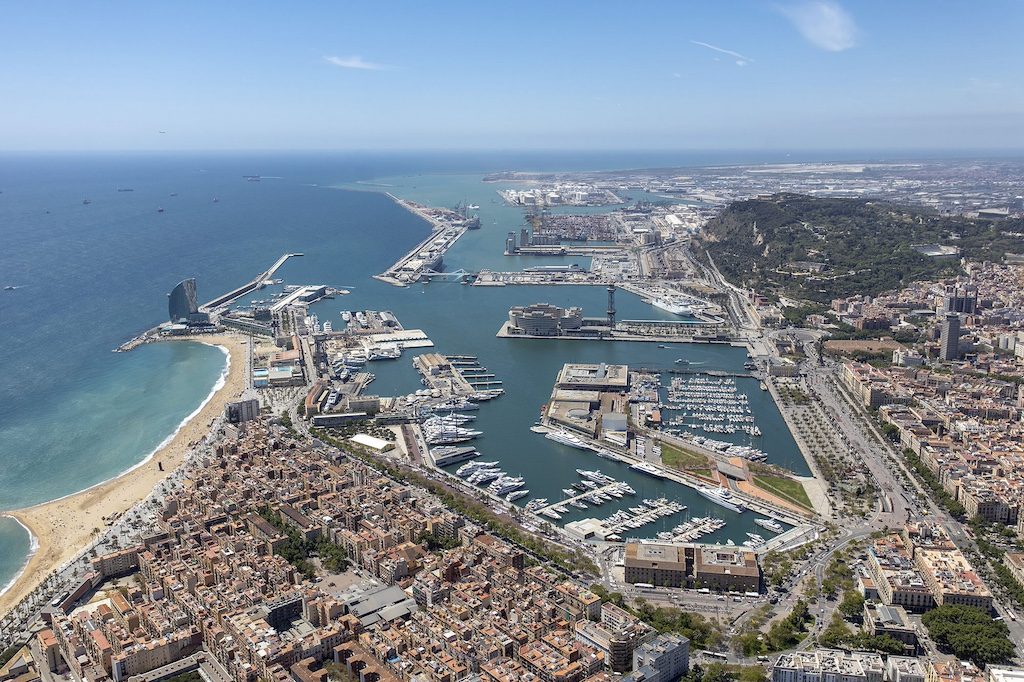
Barcelona has a problem and it's called overtourism. The Mediterranean city, already grappling with overcrowded streets and housing crises fueled by short-term rentals, is now turning its sights on an unlikely culprit: cruise ships and the day-trippers they drop off by the thousands.
City leaders from across the political spectrum have rallied behind a proposal to nearly triple the cruise tourist tax from its current €11 per day to €30 per day. The plan, backed by the left-wing Barcelona en Comú party, pro-independence Esquerra Republicana de Catalunya, and the governing Socialist Party of Catalonia, would make Barcelona one of Europe's most expensive ports for short-stay cruise passengers. The Catalan parliament is expected to vote on the measure in early July.
The Math Behind the Tax Increase
Here's how it works: The current €11 daily tax consists of a €5 municipal surcharge plus a €6 regional levy. Under existing law, Barcelona's city council can only charge up to €8 of its own. The new agreement would raise that ceiling to €24, bringing the combined total to €30 once it passes through parliament. The increase applies specifically to cruise ships stopping for 12 hours or less. Cruises that begin or end in Barcelona, considered more economically beneficial to the city, would remain unaffected.
Cruise passengers make up a surprisingly small slice of Barcelona's overall visitor pie, accounting for just 2.5% of daily foot traffic during the off-season. But come summer, that jumps to 7.5% of daily visitors, all spending an average of only 5.7 hours in the city. That means thousands of people flooding markets, museums, and metro lines while keeping their spending largely contained within the port area.
Why Barcelona Is Fighting Back
Barcelona's frustration with cruise tourism runs deeper than simple crowding. The city has become increasingly vocal about the economic imbalance: these day-trippers generate relatively little income for local businesses compared to the strain they place on infrastructure and public spaces. For tourists planning longer stays, Barcelona has already raised the overnight tourist tax multiple times in recent years, making it one of Europe's highest-taxed destinations for visitors.
Marc Serra, representing Barcelona en Comú, framed the tax increase not just as a revenue grab but as a deterrent. The goal, he suggested, is to fundamentally reshape what role cruise tourism should play in the city's future. His party's councillor Carol Recio emphasized during a press conference that the city needs to send a clear message about its tourism priorities. That message is increasingly difficult to ignore given that tax policies are reshaping how travelers plan their trips.
A Broader Push Against Cruise Congestion
The tax increase is just one piece of Barcelona's larger strategy to reduce cruise tourism's footprint. Last year, the Port Authority announced plans to shrink its cruise terminals from seven down to five by 2030, reducing simultaneous capacity from 37,000 to 31,000 passengers. Three of the oldest terminals will be demolished to make way for a single new facility as part of a wider port reorganization. Those changes should roll out from late fall 2026 or early 2027, meaning summer travelers in 2025 will likely sail through unaffected.
Not everyone supports the tax increase. Opposition parties including the pro-independence Junts party, the conservative People's Party, and far-right Vox have opposed the measure. Some prefer a hard cap on cruise ship arrivals, though Barcelona's city council has resisted that approach, arguing it's too complicated to enforce compared to simply raising the tax.
For travelers planning a cruise to Barcelona, the reality is this: if your ship is stopping for a quick day visit rather than serving as your journey's home port, you're about to get significantly more expensive. The tax itself isn't the only cost consideration though. Barcelona has been raising its overnight tourist taxes consistently, making it crucial for all visitors to budget accordingly when planning a Mediterranean getaway.
The city's efforts reflect a broader European conversation about managing tourism's downsides. Whether the tax hike will actually deter cruise bookings or simply shift who can afford the trip remains to be seen. What's clear is that Barcelona is no longer content to absorb the costs of mass tourism without pushing back.