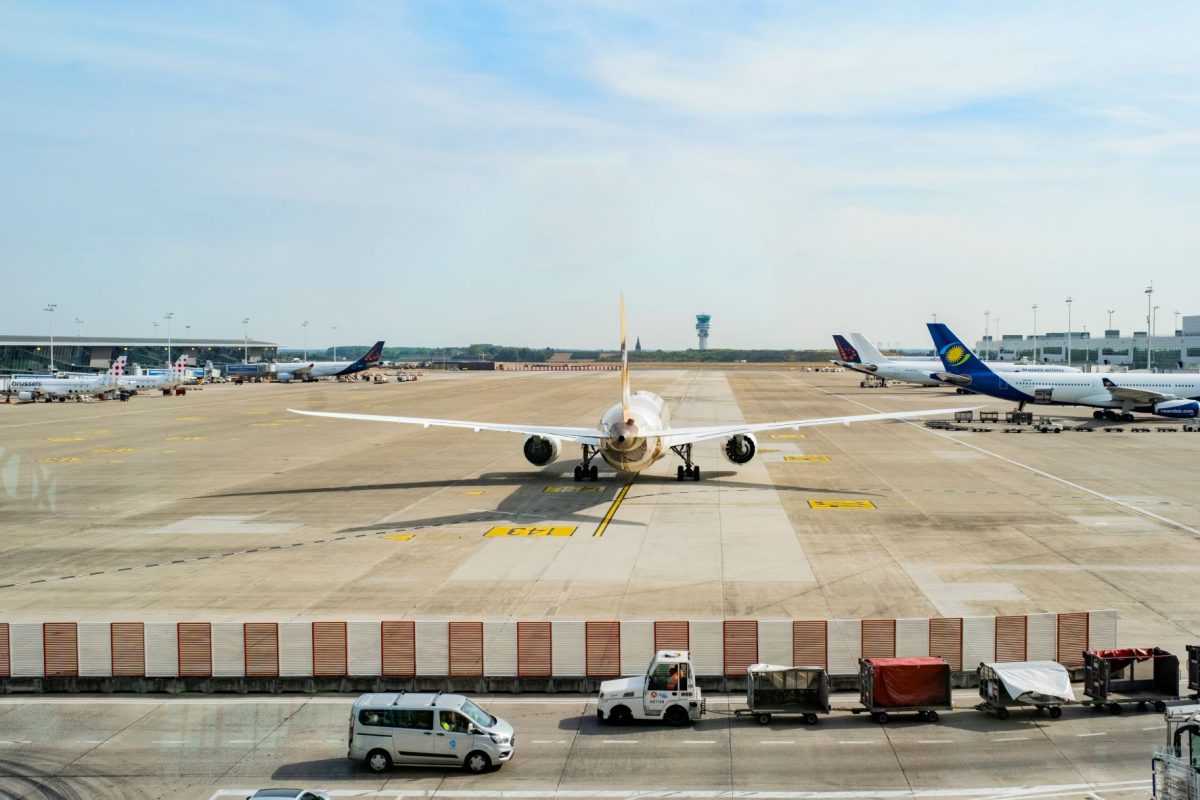
Brussels Airport is counting serious money these days. In 2025, the airport's parent company tallied up €828 million in revenue, a healthy 6% jump from the previous year. They banked €84 million in profit and plowed a record €302 million back into expansion and improvements. On paper, this looks like the kind of year airport operators dream about.
But pull back the curtain and you'll find a messier story. While 24.4 million passengers moved through the terminals (up 3.3% from 2024) and cargo volumes climbed 8.5% to nearly 800,000 tonnes, getting them through the airport became increasingly complicated. What's Really Happening at Brussels Airport Right Now tells you exactly how turbulent conditions got, and much of that turbulence came from forces completely beyond anyone's control.
Record Growth Minus the Strikes
The headline numbers look solid because demand for travel through this major European hub stayed stubbornly strong. Leisure travelers, people visiting family, and airlines launching new routes all contributed to the growth. But national strike actions siphoned off potential gains. Across 2025, roughly 275,000 passenger journeys got disrupted. On the worst days, when walkouts hit full force, entire flight schedules simply vanished.
CEO Arnaud Feist acknowledged the tight rope the airport walked. "Despite the challenges we faced in 2025, we have once again achieved strong financial results with record turnover," he said. The cargo side performed especially well, with gains spread across express services and belly cargo on new long-haul routes. Imports came primarily from Asia, Africa, and North America, while exports leaned toward Asia and North America.
The Border System Nobody Was Ready For
The biggest operational headache arrived in the form of the European Entry/Exit System (EES). This new EU procedure requires biometric registration for all non-EU travelers, and it's been a bottleneck from day one. During peak travel periods, border control lines stretched into hours-long waits. Passengers missed flights. Congestion rippled through the terminal. Staff struggled under the volume.
The system itself isn't flawed in concept, but the rollout lacked the staffing and flexibility needed for an airport handling this volume. Brussels Airport has been sounding the alarm about what happens during the summer rush season if conditions don't improve. Brussels Airport's Night Flights Are Keeping 104,000 People Awake covers another ongoing frustration, showing this airport struggles with managing demand on multiple fronts.
Investing in the Future Anyway
Despite the daily operational frustrations, the airport is building for tomorrow. That €302 million investment went toward runway renovations, new passenger facilities, logistics buildings at Brucargo Central, and additional parking. The money also funded safety improvements and comfort upgrades that travelers will actually notice when they visit.
Sustainability has become baked into the strategy. Forty-two percent of all flights now operate aircraft from the newest, quietest generation, like the Airbus A320neo. That share has doubled in ten years, helped along by differentiated airport charges that reward airlines flying quieter planes. The airport is also generating thousands of megawatt-hours of solar energy on-site and testing sustainable aviation fuel through the Stargate project, part of the broader European Green Deal.
Electric ground equipment is replacing older diesel gear. Self-driving electric shuttles are being tested. The airport is even sharing excess green energy with nearby communities. These aren't just feel-good gestures. Environmental standards are tightening across Europe, and forward-thinking operators know the playing field is shifting.
What This Means for Travelers
If you're traveling through Brussels, understand that the airport is genuinely growing and investing in your experience. But also budget extra time for border processing, stay on top of strike announcements, and check with your airline before you head to the terminal. The strong financial performance means new routes and more frequent service are likely coming. The operational challenges mean delays are always a possibility.
Brussels Airport's Biggest Reshuffling in Years Starts This May gives you details on what's changing. The airport is at an inflection point, becoming busier and more important to European travel networks while simultaneously dealing with growing pains. That's the real story hiding behind those glowing financial statements.