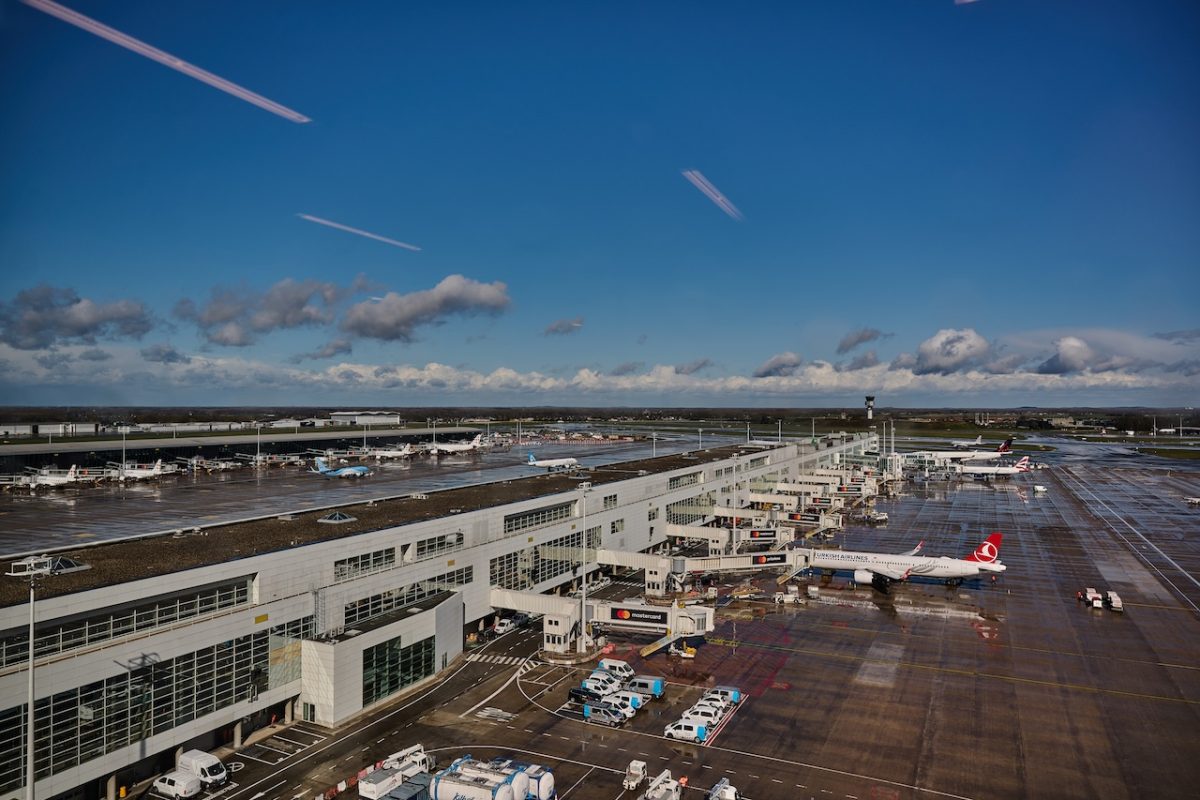
Sleep deprivation is not typically what travelers associate with visiting Brussels, but for over 104,000 residents living around the Belgian capital's main airport, nighttime aircraft noise has become an unwelcome reality. A fresh report on aviation noise pollution reveals just how widespread the problem has grown.
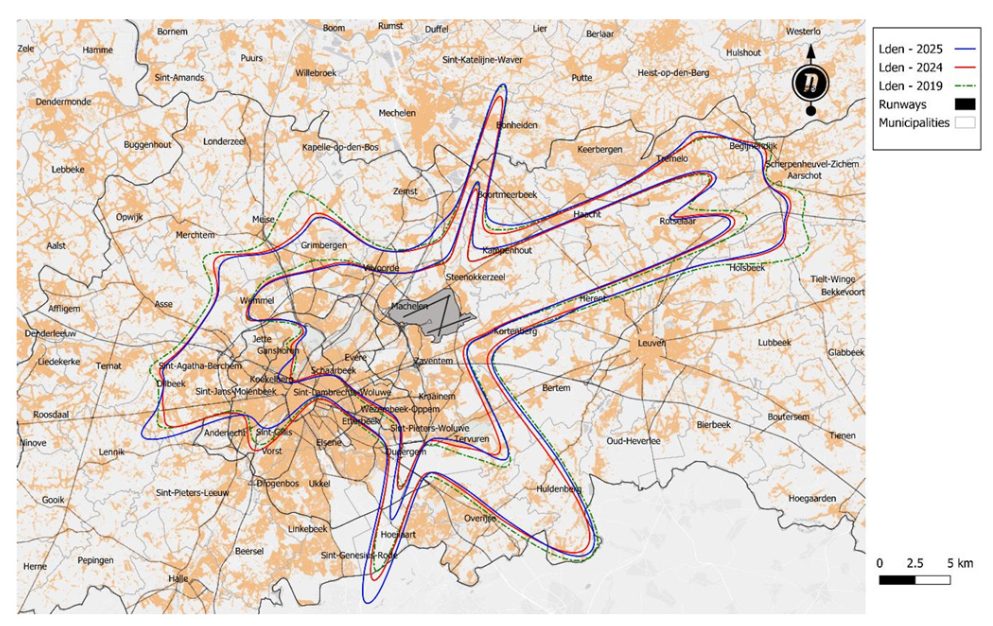
The figures are stark. In 2025, aircraft taking off and landing between 11pm and 7am disrupted sleep for more residents than ever before, marking a 2.5% jump from 2024. The increase outpaced the rise in actual night flights, which grew by just 2.1%, suggesting either more sensitive sleep patterns or that residents are increasingly aware of and reporting the disturbance.
The neighborhoods taking the biggest hit
The problem clusters in specific areas of Brussels. The City of Brussels itself reported the worst impact, with 16,643 residents claiming severe sleep disruption. Schaerbeek follows closely with 12,924 affected residents, while Sint-Jans-Molenbeek saw 10,596 complaints. Evere, Vilvoorde, and Zaventem (which actually hosts the airport) each reported thousands more.
What's remarkable is the variation across neighborhoods. Sint-Jans-Molenbeek saw complaints spike by 54% in a single year, and Koekelberg recorded a 47% increase. Meanwhile, residents in Jette got unexpected relief, reporting 35% fewer cases of severe sleep disruption. This stark divergence points to a single culprit: a new landing protocol implemented in summer 2025.
How a runway tweak created winners and losers
The airport introduced a revised flight path that eliminated the sweeping turn aircraft used to make over Jette airspace. Instead, planes now align directly with the runway as they pass over Molenbeek and Koekelberg. For Jette residents, this was excellent news. For everyone else living under the new corridor, it became a problem.
This kind of trade-off is exactly why what's happening at Brussels Airport matters beyond just local disruption. The airport sits in the middle of a densely populated capital, and there's legitimate confusion among critics about why aircraft remain routed over residential neighborhoods at all when less populated areas exist on the outskirts.
Population growth is making the problem look worse than it is
The report, compiled by aviation consultancy To70 in compliance with regional regulations, includes a demographic note that has sparked debate. The analysis claims that Brussels' growing population inflates the noise-affected numbers. The area measuring 45 decibels (the European standard for environmental noise) expanded by 2.9%, and the potentially highly annoyed population in the 55 decibel zone jumped 7.4%. However, the report argues that without new residents moving in, these figures would have actually declined by 0.9%.
This framing has drawn criticism. As one of Europe's growing capitals, Brussels cannot realistically pretend population increases are a temporary anomaly. For new residents choosing to build lives here, population growth is a given, not an excuse.
Money owed and health concerns mounting
There's another layer of frustration: tens of millions of euros in fines for noise pollution remain unpaid by airlines. As Brussels positions itself for growth, these unresolved disputes undermine confidence in enforcement mechanisms.
The health stakes are real, too. Chronic sleep disruption from noise pollution has been linked to cardiovascular disease, with men appearing particularly vulnerable to these effects. For a city trying to attract talent and residents, recurring nighttime aircraft noise is a serious quality-of-life problem that demands long-term solutions, not just protocol tweaks that shuffle noise from one neighborhood to another.
Whether Brussels will pursue meaningful changes to flight paths, operational limits, or enforcement remains unclear. For now, the sound of planes overhead at midnight continues to be an unavoidable part of life for more than 100,000 people in Belgium's capital.