A recent outbreak aboard a Dutch cruise ship has put hantavirus back in the spotlight. Three deaths and multiple hospitalizations, including an aircrew member who had only brief contact with an infected passenger, have left travelers wondering whether this obscure virus poses a real threat to their plans.
The answer is nuanced. Hantavirus is far older and more widespread than the recent headlines suggest. It's not a new threat invented by modern travel; it's been circulating for centuries. The difference now is that human-to-human transmission, once considered nearly impossible, appears to be happening. A specific Andean strain can pass directly between people, and health authorities are now investigating whether this variant is behind the current outbreak pattern.
Where hantavirus actually comes from
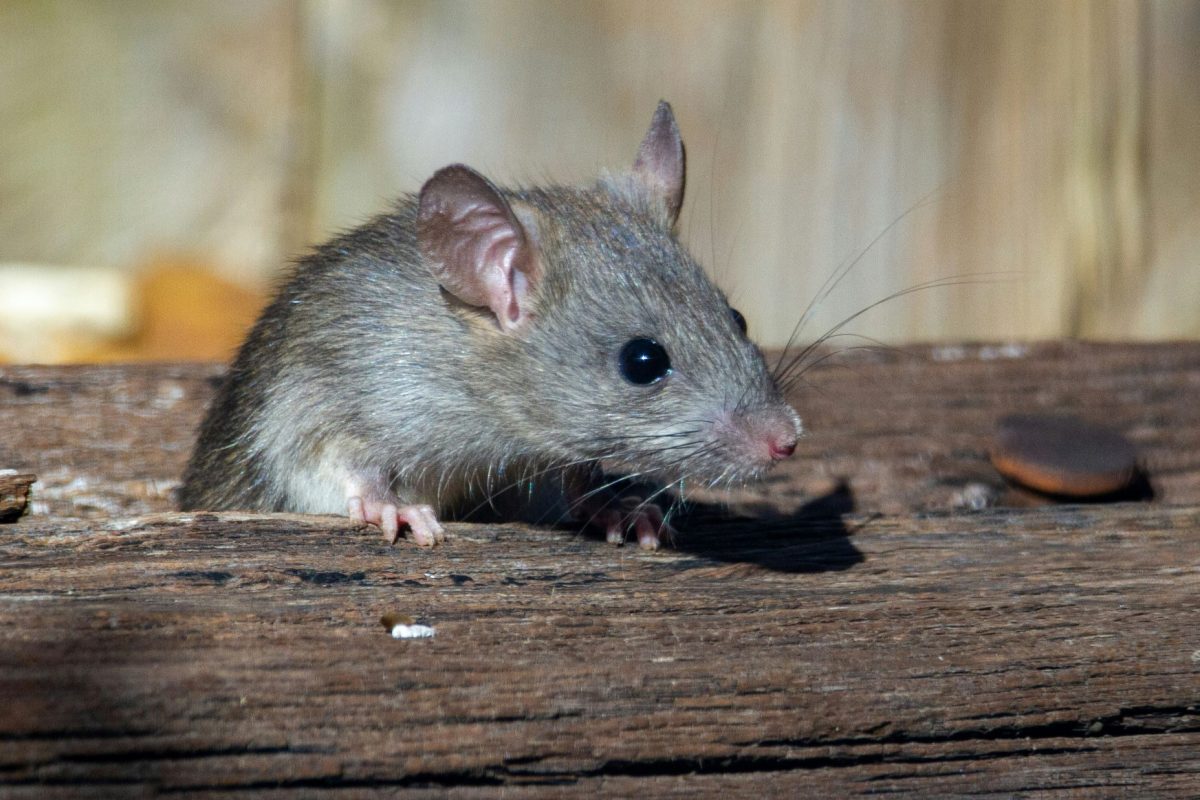
Most hantavirus infections start with rodents. The virus lives in the droppings, urine, and saliva of infected animals. Humans catch it by breathing in contaminated particles or touching infected material. This is why cases historically cluster in homes, farms, and workplaces where rodent contact is common. Before the cruise ship incident, one of the most high-profile cases involved Betsy Arakawa, wife of actor Gene Hackman, who contracted the virus at her own home in New Mexico. That region saw a new strain emerge in the 1990s and remains a known hotspot.
What's different about current outbreaks on ships is the pattern of infection moving between people without rodent exposure. This has prompted epidemiologists to focus on tracking close contacts of infected individuals, though they're careful to note that human-to-human spread remains rare.
Recognizing the symptoms
If you've been exposed, symptoms typically appear between one week and two months after contact. Early signs look like many common illnesses: fever, chills, body aches, and headache. This flu-like phase can lull people into thinking they're dealing with something routine.
The problem emerges next. As the infection progresses, breathing becomes difficult as fluid accumulates in the lungs. Some patients develop hemorrhagic fever symptoms instead (or in addition), with high fevers, severe fatigue, vomiting, and dangerous bleeding. Kidney failure can develop. The virus damages the cardiovascular system, organs, and the body's ability to clot blood. Progression can be rapid, which is why early medical attention makes a real difference in outcomes.
The frustrating part is that responses vary. Some people experience mild symptoms while others deteriorate quickly. Scientists don't yet fully understand why immunity develops differently from person to person, and there's no specific cure or vaccine available. Treatment focuses on supporting the body through the infection.
Protecting yourself while traveling
If you're concerned about hantavirus, the practical steps are straightforward. Avoid contact with rodents and their droppings at all costs. When cleaning up after rodents (which you ideally shouldn't do alone), wear gloves and a mask. Use bleach to disinfect surfaces. Whatever you do, don't sweep or vacuum the droppings. That sends particles into the air where you'll breathe them in. Wet cleaning methods are safer.
For cruise travelers specifically, this means reporting any signs of rodent activity to crew immediately. The same applies if you're staying in accommodations where rodents have been spotted.
Cruise ships have faced other outbreak challenges, and the maritime industry is taking this seriously. Still, the risk of catching hantavirus while traveling remains statistically low compared to your everyday life at home.
The key takeaway: hantavirus isn't a reason to cancel travel plans. It's a reminder to stay aware of your surroundings, report unusual activity to authorities, and seek medical attention immediately if you develop respiratory symptoms after potential exposure. In the rare event you're concerned about exposure, don't delay seeing a doctor. Early intervention matters.