The collapse of Spirit Airlines sent shockwaves through the travel industry, but not everyone was crying. Across the United States, major carriers looked at the wreckage of their scrappy, budget-friendly rival and saw something more valuable than sympathy: opportunity.
For years, Spirit had cornered the market on rock-bottom fares. It was the airline you booked when every other option felt too expensive. But Spirit's shutdown erased that price floor entirely, leaving a vacuum that competing airlines are now rushing to fill, though not always in ways that help your wallet.
The Price Ceiling Gets a New Home
Robert W. Mann Jr., a former airline executive and current analyst at R.W. Mann and Co., told USA TODAY that Spirit's departure has made it "a lot easier for carriers that remain to raise prices to cover the higher costs they're experiencing." The logic is straightforward: with no one left offering $39 flights to Denver, other carriers can nudge their fares higher without fear of being undercut.
But here's where it gets complicated. Ahmed Abdelghany, an operations management professor at Embry-Riddle Aeronautical University, warns that this pricing power comes with real consequences. Spirit wasn't just another airline. It was the market's reference point, the baseline that forced competitors to match rock-bottom prices in at least some of their booking classes. Without it, there's nothing holding back premium pricing.
"The lowest price point in the market was helping the consumer," Abdelghany explains. Now that reference point has vanished. Some travelers who could once afford to fly will simply stop. Everyone loses.
A Fire Sale That Might Actually Move
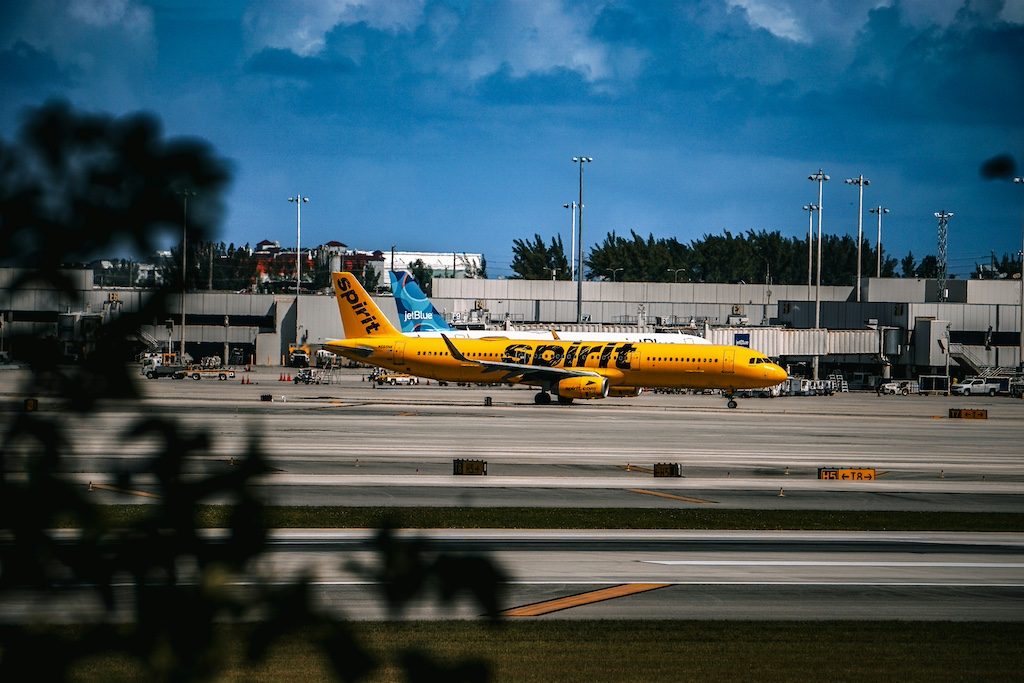
When Spirit shut down, it had 172 aircraft parked at terminals across the country. Not all of them are available to the highest bidder. A massive chunk, about 124 planes, were leased and immediately returned to their owners. The remaining planes theoretically could be picked up by other carriers, but bankruptcy court moves slowly. Don't expect a flood of discount aircraft hitting the market anytime soon.
Still, the real opportunity isn't in planes. It's in people.
The Real Prize: 17,000 Workers Ready to Fly
Spirit employed roughly 17,000 people across the country. Flight attendants, mechanics, ground crews, pilots, reservation agents. These aren't entry-level hires; many had years of experience in aviation's post-COVID scramble, when staffing shortages became one of the industry's most stubborn problems. Now they're looking for work, and major carriers are actively recruiting.
Unlike aircraft sales governed by bankruptcy court, hiring employees happens fast. Competitors can snap up talent immediately, bulking up their operations without the usual training overhead. For airlines desperate to expand, this is like finding a ready-made workforce sitting on the tarmac.
Fort Lauderdale Becomes a Battleground
Perhaps the sharpest example of how quickly opportunity moves came just two days after Spirit's closure. JetBlue announced almost a dozen new routes out of Fort Lauderdale, Spirit's former Florida base. The move was strategic and swift.
"We're stepping up for Fort Lauderdale to ensure the availability of air service in this market," said Marty St. George, JetBlue's president. "Our focus is simple: Make it easier for customers to stay connected with the people and places that matter, while delivering the service, comfort and value they expect from JetBlue."
There's more than feel-good messaging here. By quickly filling the void left by Spirit, JetBlue strengthens its own position in a contested market. A stronger footprint makes the carrier a more attractive asset should it ever need a financial rescue of its own, as Mann pointed out. In the cutthroat world of budget aviation, even a struggling airline can look golden if it controls key routes and bases.
What This Means for Travelers
The aviation landscape has fundamentally shifted. Fares are likely to creep higher across the board, especially on routes Spirit once dominated. Everyday travelers, the ones who'd book a Spirit flight to visit family across the country because nothing else fit the budget, now face tougher math. If fuel costs continue squeezing budgets, that pressure will only intensify.
The industry faces a genuine test: can carriers balance the short-term profit bump from higher fares against the long-term damage of pricing out entire segments of flyers? Or will competition for Spirit's abandoned routes eventually force fares back down? Right now, with the dust barely settled, the answers remain unclear. What's certain is that travel is about to get pricier for people who can least afford it.