There was a time when air travel felt like a theater in the sky. Passengers settled into their seats, flipped down a personal screen, and chose from dozens of films and shows. Then American Airlines decided to kill that experience. The airline removed seatback displays from most narrow-body aircraft in the late 2010s, betting that travelers would happily stream content on their own phones and tablets instead. It was a practical move: lighter aircraft burn less fuel, and built-in systems need constant maintenance. It made sense on a spreadsheet.
In reality, the strategy left a lot of passengers frustrated. You had to remember to charge your device before boarding. You needed stable Wi-Fi that didn't always cooperate at 30,000 feet. Families juggling multiple kids and multiple gadgets found themselves refereeing a digital circus. American didn't quite anticipate how much people actually valued simply having an entertainment option ready the moment they sat down.
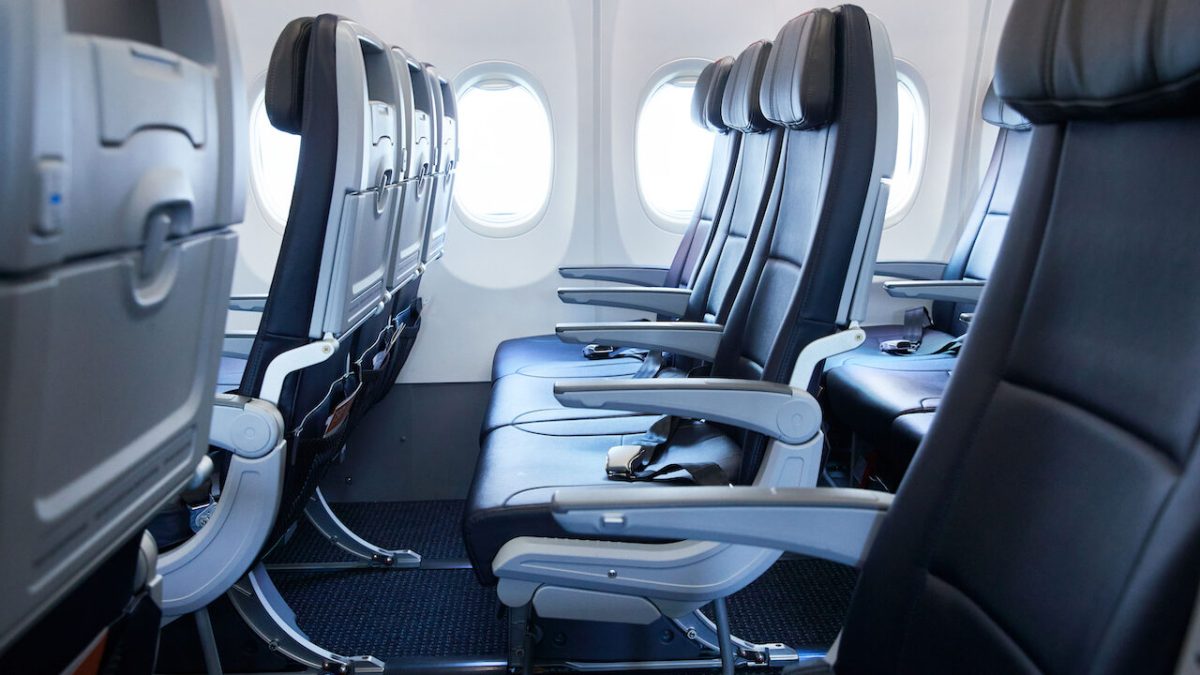
Now the airline is reconsidering. According to recent reports, American Airlines is actively exploring bringing seatback screens back to its narrow-body fleet, with a decision potentially coming within weeks. This shift reflects a broader truth in modern aviation: passengers expect a digital experience on planes that matches what they get at home, and competitors are winning loyalty by delivering exactly that.
Why the sudden reversal
Delta Air Lines and United Airlines never abandoned their commitment to onboard technology. Both carriers have continued investing in larger seatback screens and improved connectivity, and both have seen their customer satisfaction metrics climb as a result. Higher-paying passengers particularly appreciate these upgrades, and that's not lost on American's leadership. When your competitors are converting premium customers by offering better entertainment and connectivity, sitting on the sidelines becomes expensive.
Heather Garboden, American's Chief Customer Officer, recently hinted at this rethinking in an interview with CNBC. "I think of where the technology was a decade ago, and where it can be today, or even a few years from today. Hopefully the complexity is less," she said. That comment suggests the airline believes modern seatback systems are simpler to install and maintain than the older generation they removed. Technology has genuinely improved, making the business case stronger than it was before.
Beyond screens, American is also in talks with SpaceX's Starlink and Amazon's Project Kuiper to dramatically upgrade in-flight Wi-Fi. The airline sees these partnerships as part of a larger digital transformation, one that could eventually include video streaming, music services, and even onboard shopping tied to frequent flyer miles. For American, seatback screens aren't just entertainment anymore. They're part of a complete digital experience designed to compete with United and Delta across multiple touch points.
The logistics of bringing screens back
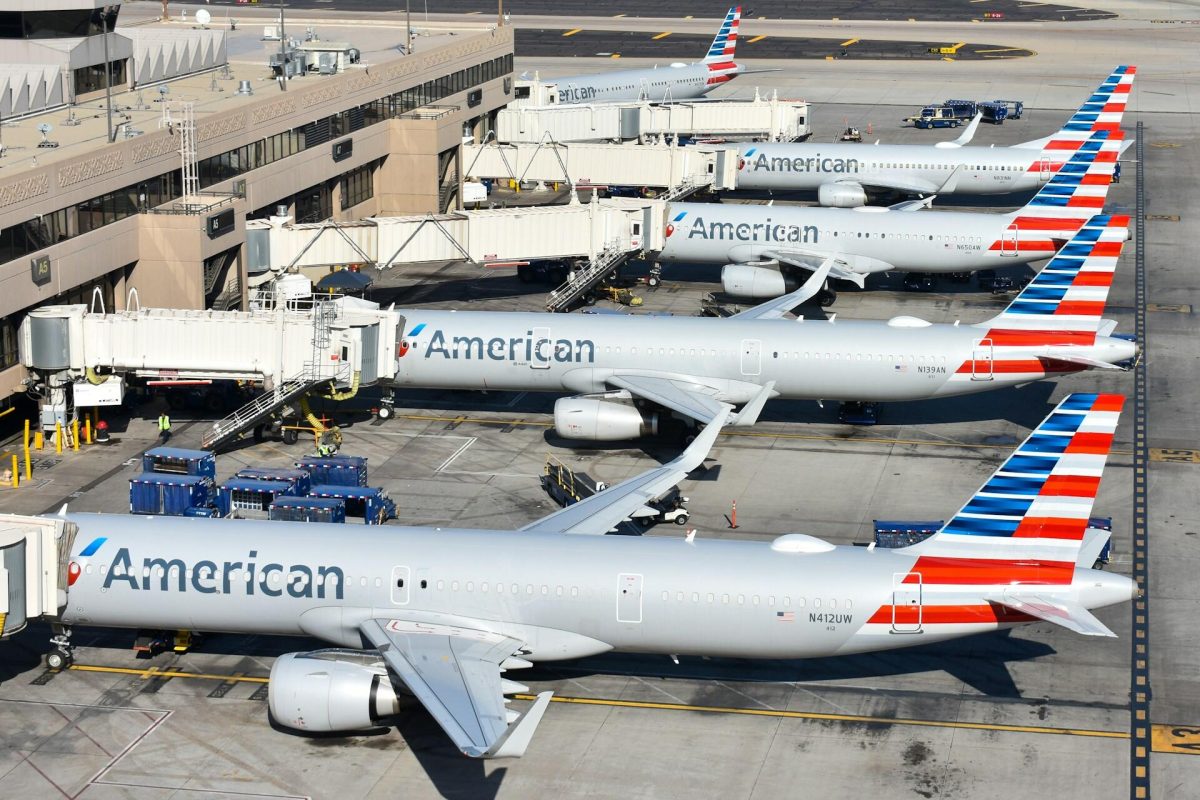
Here's where things get complicated. American operates roughly 790 narrow-body aircraft. Retrofitting all of them with seatback screens would be a massive undertaking, requiring planes to be temporarily pulled from service for installation. The airline has more than 280 new aircraft on order, and newer planes can include seatback screens directly from the manufacturer, which makes the transition easier down the road. Even with that advantage, the full rollout would take years.
The cost is real, but so is the competitive pressure. American's fleet modernization is already underway, so the timing for adding screens to new aircraft makes some sense. Retrofitting the existing fleet will happen more gradually, likely prioritizing longer routes where passengers depend more on onboard entertainment to stay comfortable.
What this means for travelers
If American follows through, your next flight could feel noticeably less frustrating, especially on routes where you typically find yourself bored and phone-drained by the final hour. No more scrambling to keep your device alive. No more hoping the Wi-Fi actually works. No more playing screen-sharing referee with your kids.
Passenger expectations have genuinely shifted in recent years. People now expect frictionless technology experiences everywhere, and airplanes shouldn't be an exception. A personal device strategy works in theory, but it requires passengers to plan ahead and deal with spotty connectivity. Built-in screens eliminate those friction points. They just work, which is often what travelers need most at 35,000 feet.
The industry's competitive dynamics mean American can't afford to lag much longer. When Delta and United are investing heavily in passenger comfort technologies and seeing measurable returns, staying behind isn't a sustainable position. Whether seatback screens return to American's fleet in the next year or take several years to roll out completely, the airline is essentially admitting what passengers have known all along: sometimes the simpler solution is the better one.