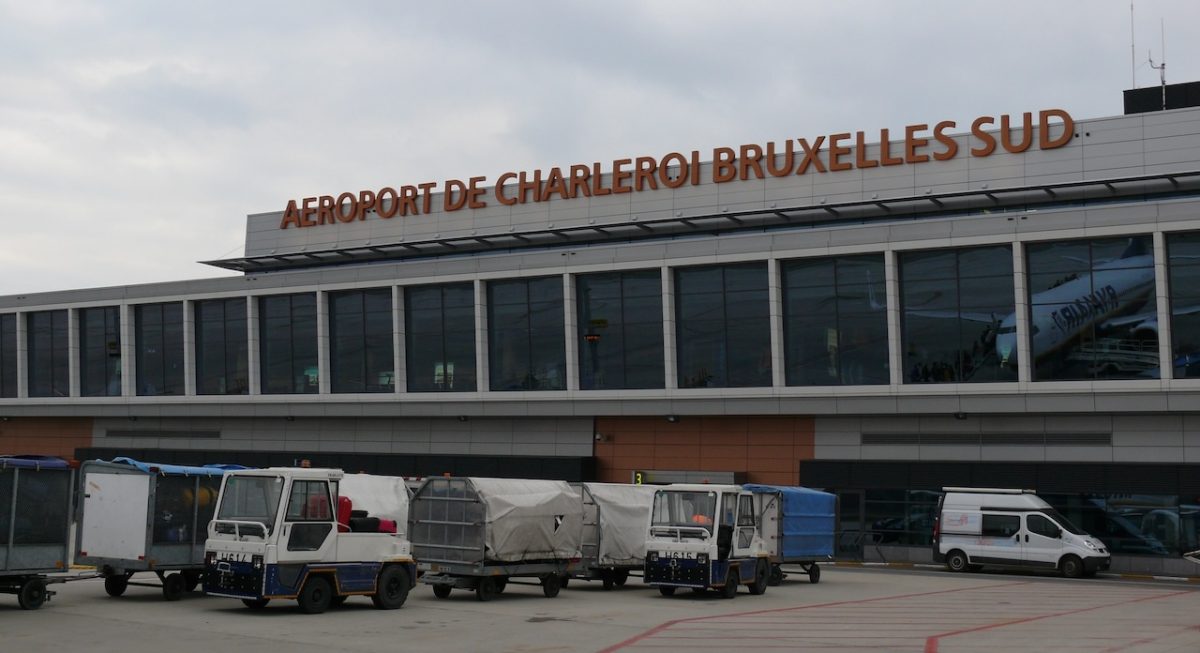
On April 28, 2026, a stabbing at Brussels Airport left one man hospitalized with serious injuries and reignited questions about safety at one of Europe's most critical travel hubs. The incident involved two homeless men, with one allegedly using a box cutter as a weapon. Local authorities swiftly arrested a suspect, but the event has triggered calls for enhanced police presence and a broader conversation about airport security.
For travelers planning trips through Belgium, it's fair to ask what this means for your journey. The answer is complicated and rooted in challenges that extend well beyond a single violent act.
A Hub Under Pressure
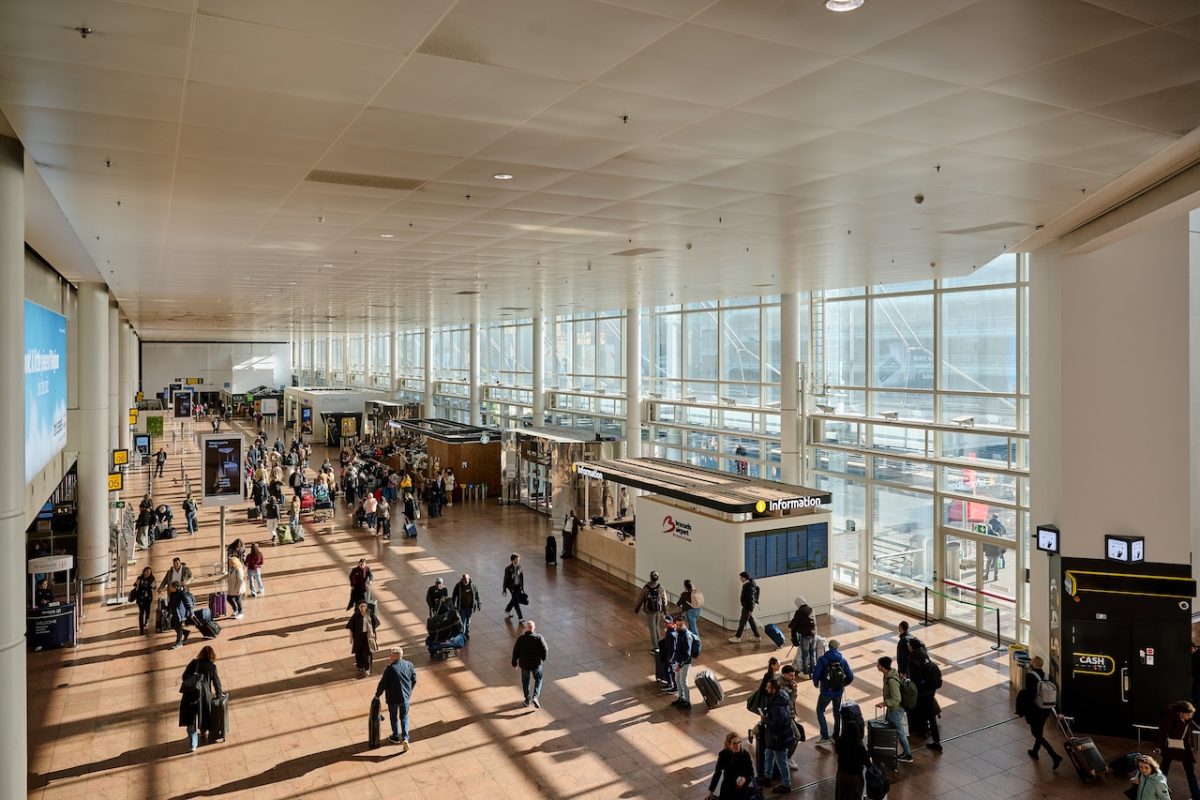
Brussels Airport processes roughly 24 million passengers annually, making it one of the continent's busiest transit points. That volume of foot traffic masks underlying tensions. The airport has contended with a homelessness crisis for years, prompting authorities to implement a controversial closure policy between midnight and 3 a.m. since 2023. At one point, around 75 homeless individuals were living inside the terminal.
The violence on April 28 wasn't an isolated blip. The airport's safety record carries the weight of history. In March 2016, a terrorist attack killed 32 people, and the facility has since battled persistent questions about vulnerability.
The Smuggling Problem Nobody Talks About
While officials focus on visible security measures, another crisis has quietly escalated. In 2025, Belgian customs seized nine tonnes of illegal drugs at the airport, double the amount confiscated the year before. Contraband has been discovered hidden inside children's toys, artwork, and shipping containers. Investigators uncovered evidence that corrupt airport staff facilitated some of these operations, adding an uncomfortable layer to conversations about trust and oversight.
This suggests the airport's vulnerabilities run deep, involving not just external threats but institutional gaps. As the facility undergoes significant operational changes this year, these structural issues demand attention alongside visible policing efforts.
Political Fallout and What Comes Next
Flemish Minister-President Matthias Diependaele has seized on the incident to push for stricter enforcement and additional police resources. His rhetoric focuses on the "clear impact on Flanders" and the need to restore traveler confidence. Diependaele, a member of the N-VA party, has long questioned airport efficiency and is now weaponizing safety concerns in a broader political narrative.
Whether enhanced policing addresses the root causes remains an open question. The stabbing involved homeless individuals, and cracking down on vulnerable populations without addressing homelessness itself amounts to treating symptoms rather than disease.
What This Means for You
Statistically, your flight through Brussels will be routine. Millions of passengers move through safely each year without incident. Airport staff continue working professionally, and basic safety infrastructure functions normally. The incident shouldn't derail your travel plans or fuel unnecessary anxiety.
That said, awareness serves you well. Stick to main terminal areas, avoid isolated spots during off-peak hours, and keep luggage secured. If you're arriving between midnight and 3 a.m., know that sections of the airport may be inaccessible due to the temporary closure policy. Check with your airline about this before your trip.
Brussels itself remains an excellent destination for food lovers, history enthusiasts, and anyone charmed by medieval architecture. The airport's challenges shouldn't overshadow what the city and country offer travelers.
The bigger story here involves Europe's busiest airports facing overlapping crises: homelessness, drug trafficking, aging infrastructure, and labor tensions. Airports across the continent grapple with similar pressures, and solutions require sustained investment and political will rather than reactive security measures alone.