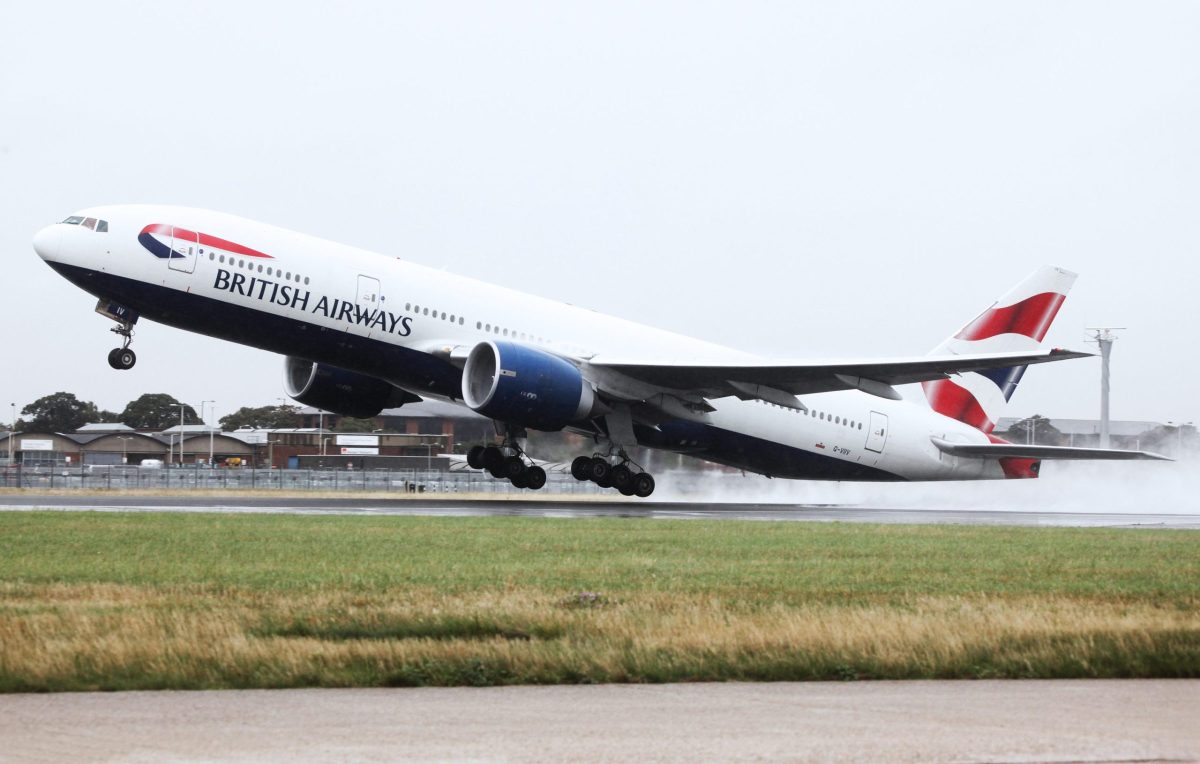
The Middle East conflict is reshaping global aviation in real time, and if you're planning to fly this summer, you need to know what's coming. In May 2026 alone, airlines axed 13,000 flights worldwide. That sounds abstract until you realize it equals roughly two million empty seats, or about 2 percent of total global aviation capacity. Turkish Airlines, Lufthansa, British Airways, and KLM have all trimmed their schedules. Some carriers are flying smaller planes just to save fuel. The math is brutal.
Jet Fuel Prices Have Nearly Doubled
The underlying culprit is simple: conflict in the Middle East has sent jet fuel prices through the roof. When fuel costs explode, airlines face a choice. They can pass the bill to passengers through higher fares, cut flights to reduce fuel consumption, or both. Most are doing both. Domestic US fares have jumped 24 percent and international fares have climbed 50 percent since early January. That's not a minor uptick. That's the cost of flying getting fundamentally more expensive.
What's particularly striking is how fast this happened. According to analytics firm Cirium, nearly 13,000 flights got the axe in just two weeks. Major carriers weren't gradually stepping back. They were making emergency cuts to their bottom lines.
Your Summer Holiday Is at Risk
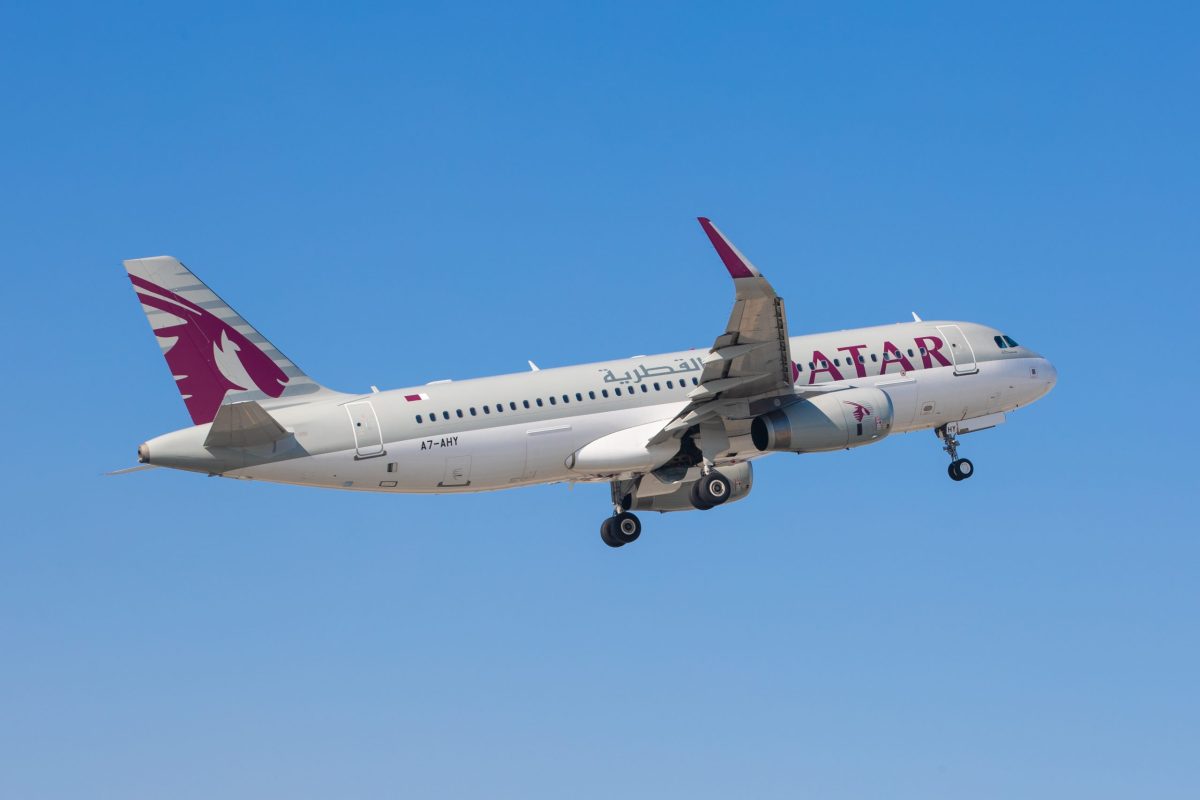
The real pain point for leisure travelers comes in June through September. Airlines have already carved 9.3 million seats out of the summer schedule. Lufthansa alone announced plans to cut 20,000 short-haul routes from its peak season lineup. Gulf-based carriers like Qatar Airways, Emirates, and Etihad Airways have been hit especially hard. Routes through the Middle East, which typically offer competitive pricing and convenient connections between Europe and Asia, are shrinking fast.
The UK government, recognizing the crisis, granted airlines temporary permission to cancel or consolidate flights without losing their airport slots. It's a dramatic intervention, though experts suggest business travelers are more vulnerable than leisure passengers under this policy.
What This Means for Your Wallet
If you haven't booked your summer flights yet, brace yourself. Limited seat availability plus soaring fuel costs equals substantially higher ticket prices. Some routes between Europe and Asia have reached fares that industry insiders consider unsustainable, at least temporarily. Hans Jorgen Elnaes, founder of aviation consultancy Winair AS, predicts Gulf-based carriers will soon offer deeply discounted fares on Europe-Asia routes to fill capacity and reclaim market share.
Translation: prices might come down later, but not immediately. And if you've already booked, don't celebrate yet. Real-time flight tracking shows how dramatically Middle East airspace usage has shifted, which affects routing efficiency and reliability across multiple carriers.
Cancellations and Rebooking Rights Are Your Safety Net
Most airlines offer refunds or rebooking options when they cut flights, but the specifics vary by your departure point and which carrier operates your flight. Some regions have stronger passenger protections than others. Before booking anything, check what your airline promises in case of cancellation. The situation remains fluid, so flexibility is your best friend right now.
What's counterintuitive is that overall passenger demand actually rose 2 percent in March 2026 compared to the year before, despite the crisis. People still want to travel. They're just facing fewer seats, higher prices, and the genuine risk that their flights could disappear with limited notice. The aviation industry will absorb at least some of this hit for months ahead. How much longer the crisis lasts depends on factors far beyond any airline's control.
The bottom line: book early if you can, expect higher prices, and read the fine print on cancellation policies. The world hasn't stopped moving, but getting across it just became noticeably harder.