The skies over the Middle East are getting bumpy. Arab airlines are bracing for a net loss of $4.3 billion in 2026, according to a forecast from the Arab Air Carriers Organization (AACO). The grim prediction, shared at their annual meeting in Doha, points to a perfect storm of regional security crises and skyrocketing fuel costs.
Fuel prices have surged since the US-Israel conflict with Iran and the subsequent blockade of the Strait of Hormuz. For AACO's 39 member airlines, fuel now eats up 37.3% of operating costs, up from 27.9% last year. That's a nine-point jump, compared to a six-point rise for the global industry. The result is that the entire aviation sector is looking at its weakest profit year in over a decade.
A Region Under Pressure
The numbers are stark. AACO predicts a 5.2% decline in air cargo traffic and warns that "ongoing operational disruptions" and "exposure to conflict-affected markets" are squeezing margins. While the sector is expected to stay profitable overall, the losses are concentrated in carriers heavily reliant on routes through or near conflict zones.
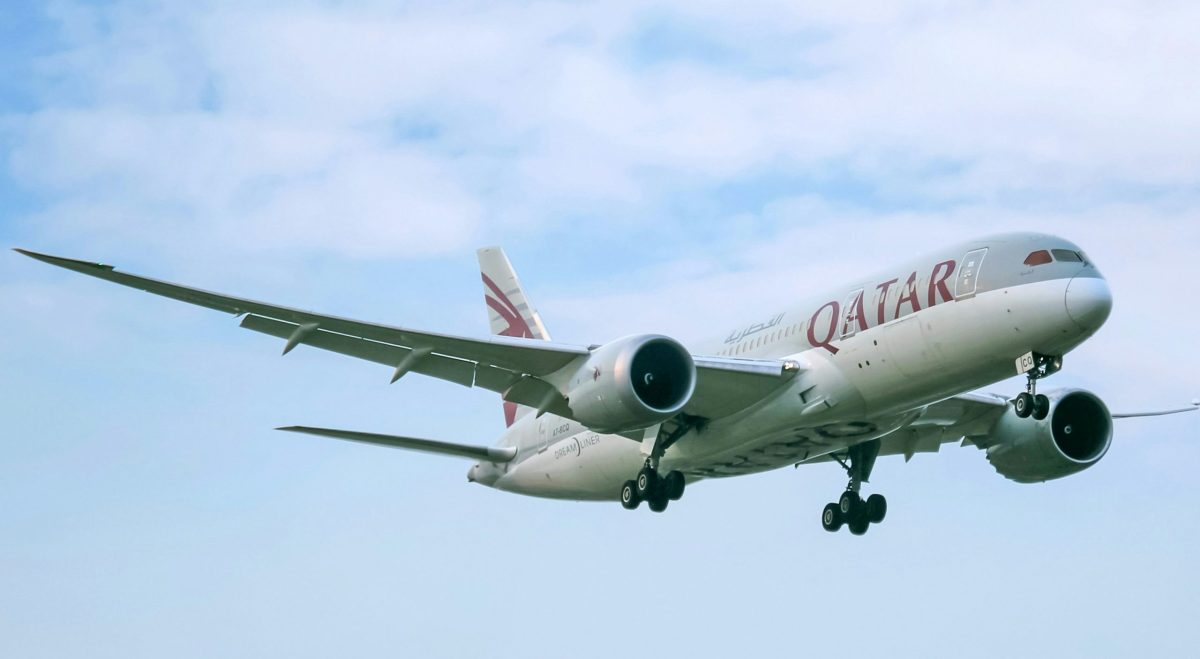
This isn't just an airline problem. The sector supports four million jobs and contributes $290 billion to the regional economy. Hamad Al-Khater, CEO of Qatar Airways, which hosted the meeting, stressed that cooperation is the way forward. "As our industry faces a very difficult period, with geopolitical developments continuing to disrupt global connectivity, regional cooperation has become our greatest strength," he said.
The EU Carbon Clash
One of the biggest fights on the horizon is over Europe's Emissions Trading System (ETS). Starting in 2029, international flights arriving in Europe from destinations within 5,000 kilometers will have to pay for their CO2 emissions. That rule would hit carriers from Turkey, Iraq, the Gulf, Egypt, and Morocco directly.
AACO's Secretary General, Abdul Wahab Teffaha, didn't mince words. He called the EU's move "extra-territoriality, trespassing on the sovereignty of others." He argues that Arab carriers already participate in the global CORSIA carbon offset scheme, and forcing them to pay twice is unfair. The tension is real, and it could lead to higher fares on routes between the Middle East and Europe.
For travelers, the practical takeaway is this: expect higher ticket prices on Middle East to Europe routes as airlines pass on these costs. The Ryanair boss has already predicted a massive airfare spike in Europe, and this regional friction could add to that pressure.
What It Means for Your Journey
Despite the turbulence, Qatar Airways is expanding its European schedules to hubs like London and Frankfurt. Sheikh Jassim Fahad Al-Thani, VP of Aeropolitical and Corporate Affairs, says this gives travelers "more flexibility and better connections through Doha to our global network." So while the industry struggles, passengers might still find more options, albeit at a higher price.
The situation is fluid. If you're planning a trip through the Middle East, keep an eye on flight disruptions in the region and consider booking flexible fares. And with Europe's new border system already causing chaos, the last thing you need is another layer of uncertainty.
For now, the message from Arab carriers is clear: they're fighting to keep flying, but the costs are mounting. As Teffaha put it, the industry is being asked to shoulder a burden that feels unfair. The next few years will test the resilience of Middle East aviation, and travelers will feel the ripple effects.