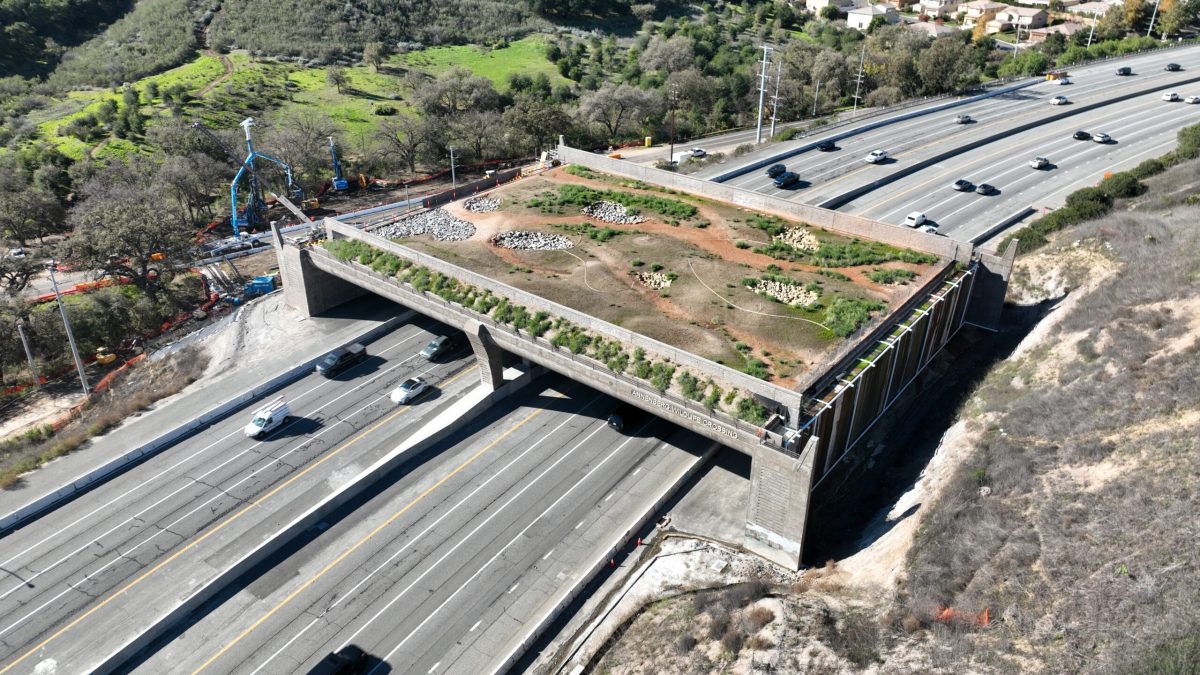
On December 2, 2026, a mountain lion in the Santa Monica Mountains will be able to do something its ancestors haven't done in decades: walk across a 10-lane freeway without dodging a single car. That's the day the Wallis Annenberg Wildlife Crossing opens in Agoura Hills, northwest of Los Angeles, and it's a big deal for both wildlife and the hundreds of thousands of drivers who use US Route 101 daily.
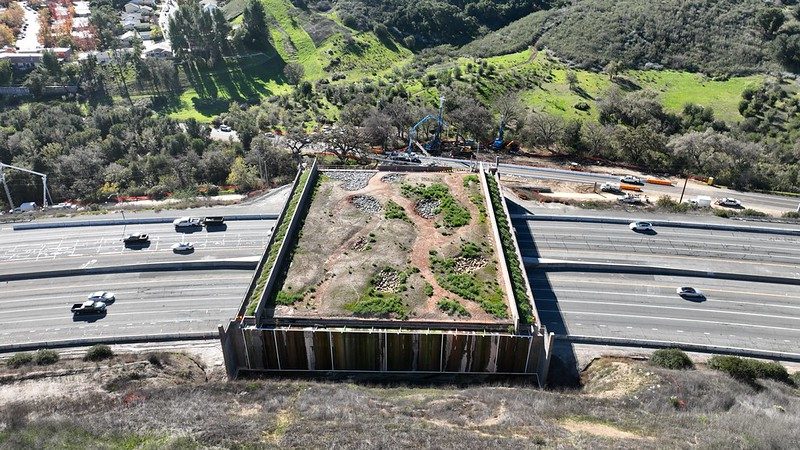
The crossing is essentially a 210-foot-long bridge covered in native oaks and shrubs, designed to blend into the surrounding hills. It spans all 10 lanes of the freeway, plus a second bridge takes animals over neighboring Agoura Road. Together, they cover nearly 56,000 square feet, making this the largest wildlife overpass on the planet. The project cost $114 million, up from an initial estimate of $92 million, thanks to inflation, labor shortages, and the sheer complexity of building over a live freeway.
Why It Matters
For decades, the freeway at Liberty Canyon has been a deadly barrier for wildlife. Mountain lions in the Santa Monica Mountains have been cut off from potential mates in the Simi Hills, leading to inbreeding and a dangerously small gene pool. The crossing aims to reconnect these habitats, giving animals a safe route to find partners, food, and new territory. It's also designed to reduce the number of wildlife-vehicle collisions, which is good news for both animals and the people driving through.
Construction began on Earth Day 2022, with an original target of 2025. But heavy rains and flooding pushed the timeline back, and crews had to overcome some serious engineering hurdles. At Agoura Road alone, they relocated power lines, rerouted a regional water main, and sank concrete supports 75 feet deep, all while working around two creeks and dozens of mature oaks. It's a testament to how far people are willing to go to help animals cross a road.
What Happens Next
Even before the bridge opens, project partners have spotted coyotes and bobcats near the structure. Once it's live, researchers will use more than 50 cameras to monitor animal movements. They'll also fit deer with heart-rate monitors to see if the crossing causes stress, and they'll compare the data with a two-year study that tracked five species before the bridge existed. The ultimate measure of success? If animals that were once separated by the freeway start breeding across it.
For travelers, this is more than just a wildlife story. It's a chance to see a landmark that could change how we think about infrastructure. If you're planning a California road trip, consider a detour to Agoura Hills. You might not spot a mountain lion, but you'll see a bridge that's as much for the animals as it is for the people who love them. And if you're looking for other wildlife adventures, check out Samburu's rare wildlife in Kenya, or read about the audacious bridge project in more detail.
The opening is scheduled for December 2, 2026, and while the bridge itself isn't open to pedestrians, there are viewing areas nearby. The project has been a labor of love for researchers like David Szymanski, superintendent of the Santa Monica Mountains National Recreation Area, who called it "forward-looking" and a way to "end the isolation." For now, the animals are getting used to the idea, and soon, they'll have a safe passage that's been decades in the making.
If you're curious about how this crossing fits into the broader trend of wildlife-friendly travel, you might also enjoy the selfie problem killing wildlife tourism. And if you're planning a trip to California, don't miss this Christmas detour that's straight out of a TV set.