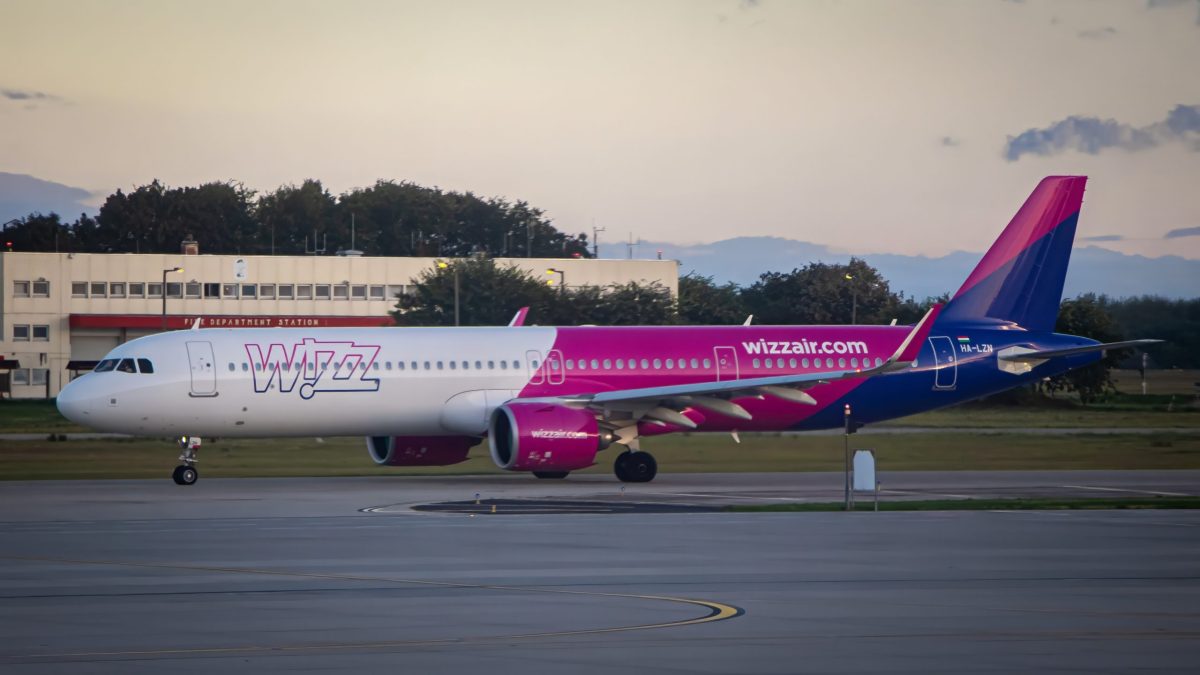
Monday morning started like any other for passengers boarding Wizz Air flight 4302 at London Luton Airport. Bound for Sofia, Bulgaria, the Airbus took off at 8:33 am local time. But somewhere over Bosnia and Herzegovina, the routine shattered. A bomb threat came in mid-air, and the pilot made the call to divert. The plane touched down at Budapest Liszt Ferenc International Airport at 12:09 pm, with a Hungarian Gripen fighter jet flying alongside.
The Hungarian Defence Minister, Romulusz Ruszin-Szendi, confirmed that NATO's air defence readiness service issued an ALPHA alert. Within minutes, a Gripen was airborne from its base in Kecskemet. It shadowed the passenger jet until it landed safely, then returned to base. "Readiness is not a routine, but a responsibility," Ruszin-Szendi wrote on Facebook. For the passengers, it must have been a surreal sight, a military escort turning an ordinary flight into something out of a thriller.
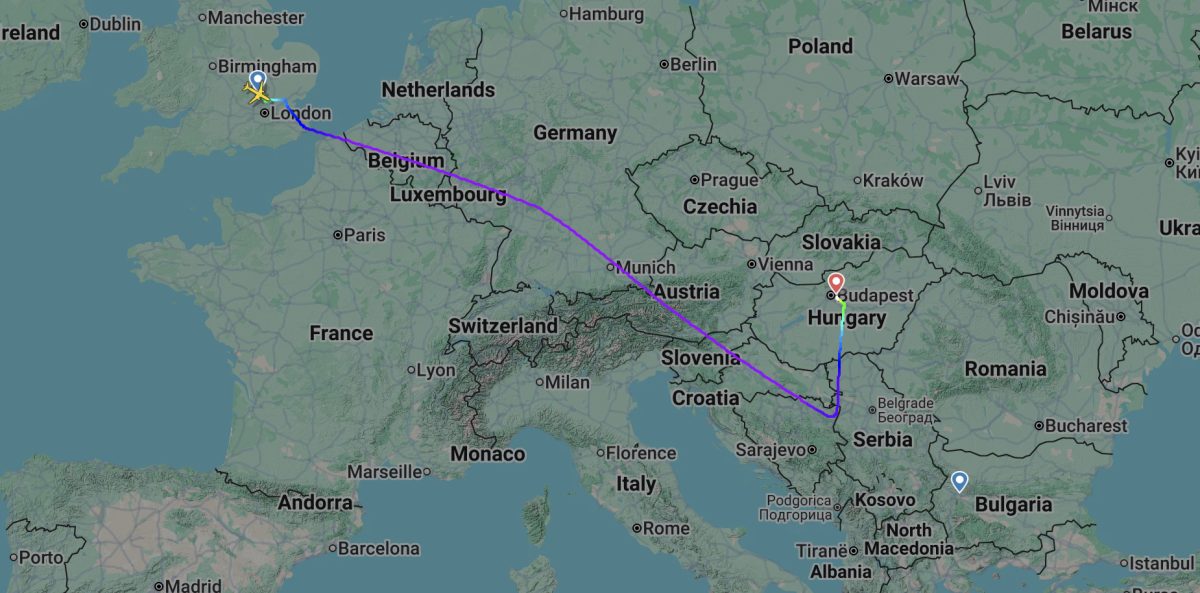
Once on the ground, the aircraft was directed to a designated stand. Firefighters, police, and counter-terrorism teams swarmed the area. They inspected both the plane and its passengers, looking for anything suspicious. Budapest's second runway was temporarily closed to keep the operation secure, so other flights were shuffled to the first runway. It was a coordinated dance of caution and procedure, all while the world watched.
After the security sweep, passengers were taken to the terminal for additional screening. Wizz Air said it was arranging a replacement crew so the flight could continue to Sofia. The airline cooperated fully with authorities, but at the time of writing, no details had been released about whether any suspicious items were actually found. The threat may have been a hoax, but the response was anything but casual.
This incident is a stark reminder that air travel, for all its routine, can pivot in an instant. It echoes other recent scares, like the bomb threat that sent an Austrian Airlines flight to Bulgaria. And while these events are rare, they highlight the layers of security that keep flying safe. For travelers, the takeaway is simple: stay alert, follow instructions, and trust the process.
Budapest, meanwhile, handled the disruption with efficiency. The airport kept operations moving, and passengers were kept informed. It's a reminder that even when things go sideways, the system works. For those curious about how such incidents shape aviation, the future of flight paths might be changing in other ways too.
As for the passengers, they eventually made it to Sofia, albeit hours late. The bomb threat turned out to be a false alarm, but the memory of a fighter jet escorting their plane will likely stick with them. It's a story they'll tell for years, a brush with the extraordinary on an otherwise ordinary Tuesday.
For now, Wizz Air has not commented further. The authorities have not released more details. But one thing is certain: the safety protocols worked, and the flight landed without incident. That's the headline that matters.